Quick Summary
industrial application bronze valve selection should start with the medium, pressure, temperature, flow velocity and connection standard. A bronze valve Bronze can be a strong choice for seawater, water utilities and many general industrial services, but buyers still need to check alloy grade, corrosion risks, galvanic compatibility, seat material and test documentation.

Why Bronze Valve Selection Matters
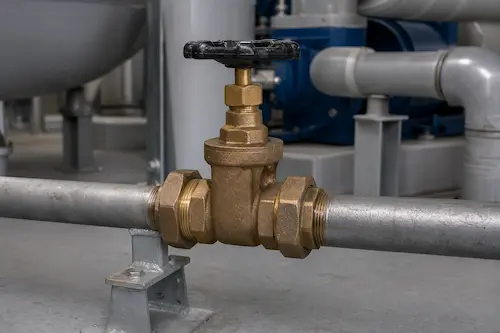
A Bronze Valve can last for years when it matches the service. It can also fail early when the wrong alloy, pressure rating or connection is selected. The selection process should consider the whole system, not just the valve body. Piping material, gasket choice, flow velocity and maintenance access all affect performance.
If the application is marine, compare this guide with bronze valves for marine engineers. If the buyer is comparing metal families, review stainless steel vs carbon steel valves as well.
9 Best Industrial Selection Tips
- Confirm the fluid. Water, seawater, fuel, steam and chemicals each require different compatibility checks.
- Check pressure and temperature. The valve rating must match both normal and upset conditions.
- Select the correct alloy grade. Bronze composition affects corrosion resistance and mechanical strength.
- Review dezincification risk. Some copper alloys are vulnerable in aggressive water conditions.
- Check galvanic compatibility. Bronze connected to other metals can create corrosion risk in conductive fluids.
- Choose the right valve type. Gate, globe, check, ball and plug valves serve different duties.
- Match end connections. Threaded, flanged and welded systems need different installation controls.
- Specify seats and seals. Soft parts must match the medium and temperature.
- Request test records. Pressure test reports and material certificates reduce procurement risk.
Selection Table
| Factor | What to Check | Why It Matters |
|---|---|---|
| Medium | Water, seawater, fuel, chemical | Controls corrosion compatibility |
| Pressure | Working and test pressure | Prevents under-rated selection |
| Temperature | Normal and maximum condition | Protects seals and body strength |
| Connection | Thread, flange, union or other | Prevents installation mismatch |
| Documentation | MTC, test report, inspection photos | Supports project acceptance |
Maintenance Planning
A good selected valve purchase should include spare gaskets, packing and clear installation notes. If the system has repeated corrosion or leakage, review industrial valves last longer for maintenance planning.
Bronze Valve Specification Notes
A selected valve specification should not stop at the words “bronze body.” It should name the alloy grade, pressure class, connection type, trim, seat material, stem material, test standard and documentation requirement. This prevents confusion between similar-looking valves that may have very different performance limits.
For industrial applications, the selected valve should be checked against the real fluid chemistry. Ordinary water, seawater, fuel, condensate and mild chemicals can create different risks. Flow velocity, temperature and dissolved contaminants also affect corrosion behavior.
Buyers should ask the supplier to confirm whether the proposed selected valve is suitable for continuous service, intermittent service or emergency isolation. Clear duty information helps avoid premature leakage and makes spare parts planning more reliable.
Common Bronze Valve Selection Mistakes
One common mistake is selecting a selected valve only because the previous valve was bronze. The original service may have changed, or the previous failure may show that the old choice was not ideal. Buyers should compare the new valve against current operating pressure, temperature, medium and maintenance access.
Another mistake is ignoring connection details. Threaded selected valves, flanged selected valves and union-end valves have different installation limits. A correct body material can still create field problems if the connection does not match the piping layout or maintenance method.
For broader copper alloy background, buyers can review technical resources from the Copper Development Association.
Bronze Valve Review Before Ordering
The selected valve should be checked against the project datasheet before purchase. Confirm the line medium, pressure class, temperature, connection, alloy grade, seat material and inspection requirement. If the application involves seawater or conductive fluids, galvanic compatibility should be reviewed before approval.
For maintenance planning, buyers should ask whether the valve can be serviced in place and whether spare parts are available. A technically correct valve can still become a field problem if packing, gaskets or seats are difficult to source during a shutdown.
Copper-Alloy Valve Final Selection Checklist
A Copper-Alloy Valve final review should confirm whether the selected valve can handle the real medium, installation position and maintenance interval. The buyer should compare the datasheet with field conditions rather than approving the valve from size alone.
When a Copper-Alloy Valve is used in seawater, cooling water or utility service, the engineering team should check alloy compatibility, flow velocity and connection details. This reduces the risk of early leakage, corrosion or difficult maintenance.
Copper-Alloy Valve Documentation Package
A Copper-Alloy Valve documentation package should include the material certificate, pressure test report, dimensional confirmation and inspection photos. For export projects, the documents should match the valve tag, size and connection type so the receiving team can verify the shipment quickly.
Documentation is also useful after installation. If leakage, corrosion or difficult operation appears later, the plant can compare the field condition with the original selected valve specification. This helps determine whether the issue is maintenance, installation, material compatibility or a changed process condition.
For critical utility or seawater lines, the final approval should include both procurement and engineering review. That shared review makes the selected valve decision more reliable and reduces the chance of buying a valve that looks correct but does not match the real duty.
FAQ
What is a selected valve used for?
Bronze valves are often used in water, seawater, shipboard utility and general industrial services where corrosion resistance and machinability are useful.
How do I choose the selected valve?
Check medium, pressure, temperature, alloy grade, connection type, seat material, test standard and maintenance access.
Can selected valves be used with stainless steel piping?
Sometimes, but galvanic corrosion should be reviewed, especially in seawater or conductive fluids.