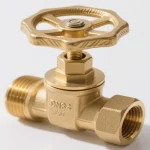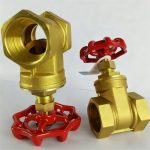
Forged steel valves are widely used in high-pressure piping because their compact grain structure and controlled manufacturing process give them dependable strength in demanding service. They are common in steam, oil and gas, petrochemical, power generation and high-pressure utility systems where leakage, cracking or deformation can create serious downtime.
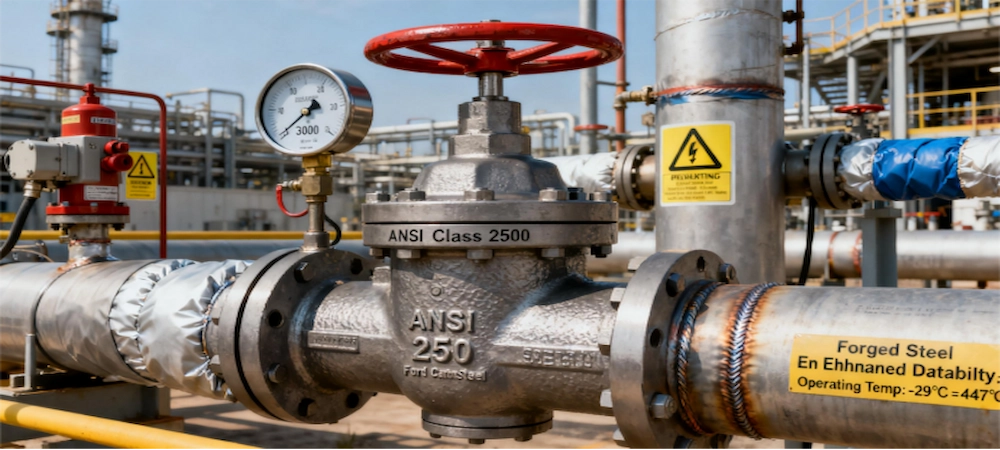
1. Why Forging Matters in Pressure Systems
Forging shapes metal under compressive force. Compared with many cast components, forged parts usually have fewer internal discontinuities and better mechanical consistency. This is valuable in pressure-retaining valve bodies, bonnets and end connections because the valve must resist internal pressure, thermal stress and pipeline loads.
The advantage is most visible in small- and medium-size high-pressure valves such as forged steel gate valves, globe valves, check valves and ball valves.
2. Confirm Pressure Class Before Material Grade
Buyers sometimes start with material grade, but pressure class and temperature should come first. A valve rated for Class 800, 1500 or 2500 has different wall thickness, design requirements and test pressure than a low-pressure valve. For a practical explanation, see our valve pressure-temperature rating guide.
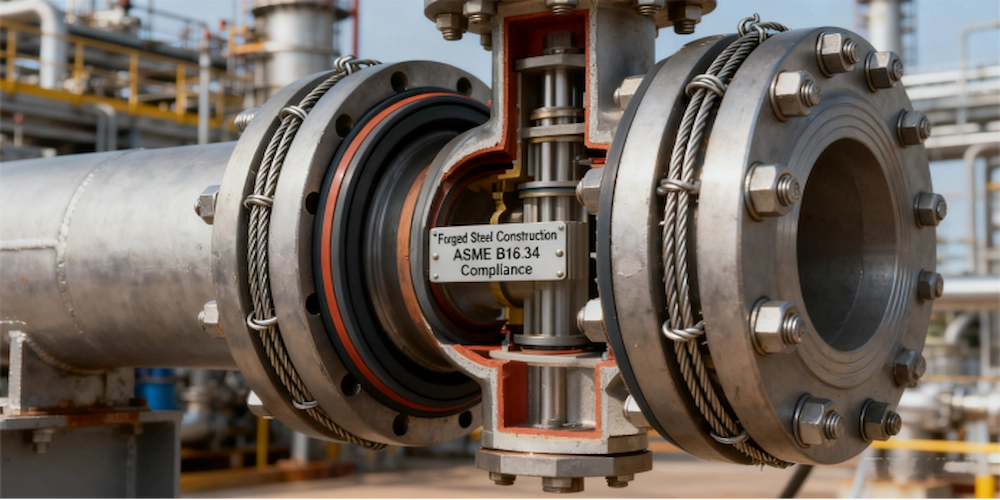
3. Choose the Correct Forged Material Grade
Common forged steel valve materials include A105 for general carbon steel service, F11/F22 for alloy steel and elevated-temperature applications, and F304/F316 for stainless steel service. If corrosion is the main concern, compare stainless options through our 304 vs 316 stainless steel valves guide. For duplex conditions, the F51 vs F53 valve material article gives a useful buyer comparison.
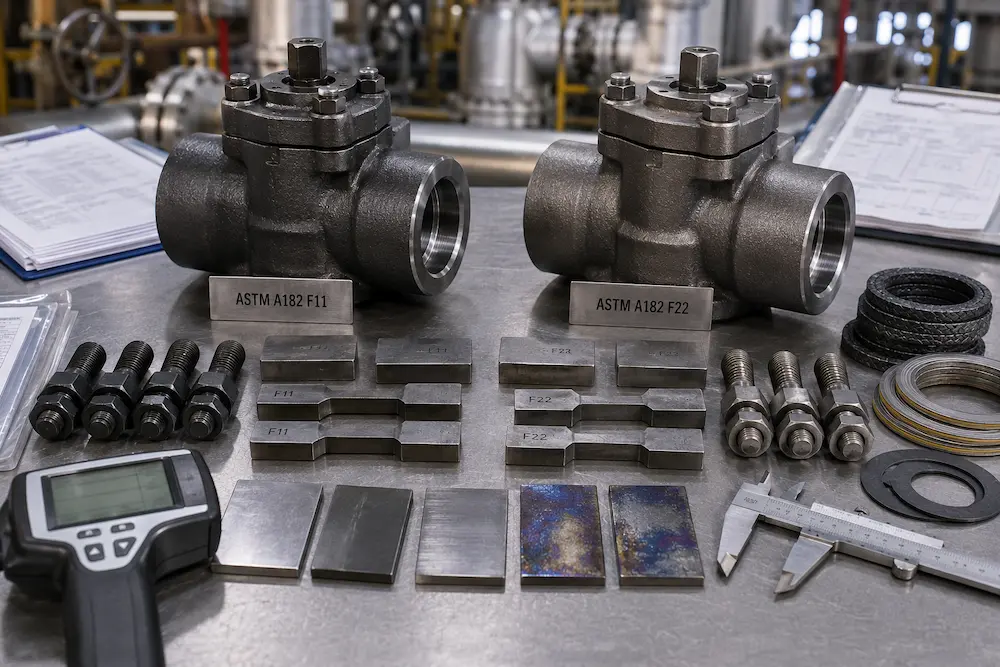
4. Select the Right End Connection
Socket weld and threaded ends are common for compact forged valves. Butt weld ends are used when permanent welded integrity is preferred. Flanged ends make maintenance easier but increase space and cost. The best connection depends on pipe schedule, maintenance access, leakage tolerance and site installation practice.
5. Check Seat, Stem and Gasket Materials
The valve body may be forged steel, but sealing performance depends on trim and soft parts. High-temperature steam may require metal seating or graphite packing. Chemical service may require stainless trim and compatible gaskets. Oxygen, sour gas or special clean service can require additional cleaning and documentation.
6. Testing and Certificates Are Not Optional
For high-pressure service, buyers should confirm hydrostatic shell test, seat leakage test, material certificate, pressure test report and inspection records. Our valve certificates and quality documents guide explains which documents are usually requested for industrial projects.
ASTM material standards are frequently referenced in valve projects; the ASTM International website is a useful source for standards context.
7. Typical Applications
- High-pressure steam and condensate lines
- Oil and gas wellhead or processing systems
- Petrochemical units and refinery utilities
- Power plant boiler and auxiliary piping
- Compact high-pressure isolation and check service
Forged Valve Package by Service Type
| Service condition | Common forged valve path | Key RFQ detail |
|---|---|---|
| High-pressure isolation | Forged gate valve | Class, end connection, pipe schedule and pressure test standard. |
| Steam or throttling adjustment | Forged globe valve | Flow direction, trim material, temperature and leakage requirement. |
| Backflow prevention | Forged check valve | Cracking pressure, installation orientation and flow rate. |
| Compact on-off duty | Forged ball valve | Seat material, torque, automation need and fire-safe requirement. |
This table is useful when the buyer has a line class but has not finalized the valve type. If the project only says “forged steel valve”, we usually need to confirm whether the duty is isolation, throttling, non-return or fast on-off control before quoting.
8. RFQ Checklist for Forged Steel Valves
- Valve type: gate, globe, check or ball valve
- Size, pressure class, pipe schedule and end connection
- Body/bonnet material grade and trim material
- Working pressure, temperature and media
- Applicable standard, test requirement and leakage class
- Certificate package: MTC, pressure test, NDT, PMI or third-party inspection
9. Practical Recommendation
Forged steel valves are a strong choice when the line is compact, high-pressure and safety-critical. To avoid overbuying or under-specifying, send us the line class, media, temperature, end connection and documentation requirements. We can recommend a suitable forged steel valve package and provide certificates for project review.
FAQ
Are forged steel valves stronger than cast steel valves?
Forged steel valves usually offer better mechanical consistency and are often preferred for compact high-pressure service, while cast steel valves are common for larger sizes.
Which forged steel grade is common for general service?
A105 is commonly used for carbon steel forged valves in general pressure service, while alloy and stainless grades are selected for higher temperature or corrosion resistance.
What certificates should be requested for forged steel valves?
Common documents include material certificate, pressure test report, inspection report, PMI report when required and third-party inspection records for project orders.