Quick Summary
Automation systems demand precision, speed, and reliability—and valve torque plays a critical role. Low torque ball valves are specifically designed to minimise operating force, making them ideal for use with pneumatic and electric actuators. From chemical processing to oil & gas and water treatment, these valves improve control accuracy while reducing actuator size and energy consumption. At Vcore Valve, low torque design is a key focus for modern automated ball valve solutions.
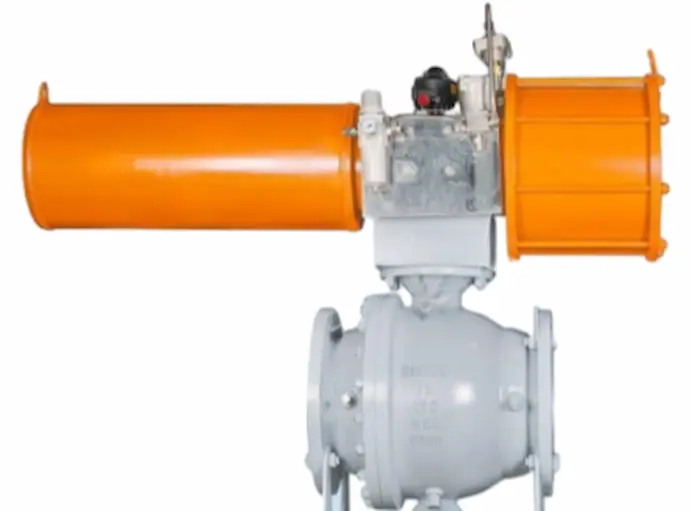
A Typical Automation Conversation
“Why does this actuator need to be so big?”
Often, the answer lies not in the actuator, but in the valve. A well-designed low friction ball valve can dramatically reduce torque requirements—and costs.
Key User Pain Points
Oversized Actuators
High torque valves require larger actuators, increasing system cost and installation complexity.
High Energy Consumption
Excessive torque leads to higher air or electrical demand in automation systems.
Inconsistent Valve Performance
Poor torque control can cause unstable operation, inaccurate positioning, or premature wear.
How Low Torque Ball Valves Solve These Problems
Reduced Actuation Force
Optimised seat design and surface finishing significantly lower operating torque.
Smaller, More Efficient Actuators
With low torque ball valves, actuator size can be reduced without sacrificing performance.
Improved Automation Reliability
Consistent valve torque helps improve actuator selection and operating repeatability, but stable automation also depends on actuator sizing, air or power supply, control accessories, valve pressure differential, and operating conditions.
At Vcore Valve, torque optimisation is engineered into every automated ball valve.
Design Features That Reduce Valve Torque
Advanced Seat Materials
Low-friction materials such as PTFE blends or engineered polymers reduce contact resistance.
Precision Ball Machining
Mirror-polished balls minimise friction between ball and seat.
Optimised Stem and Bearing Design
Improved load distribution lowers rotational resistance and wear.
These features together define a true high performance ball valve for automation.
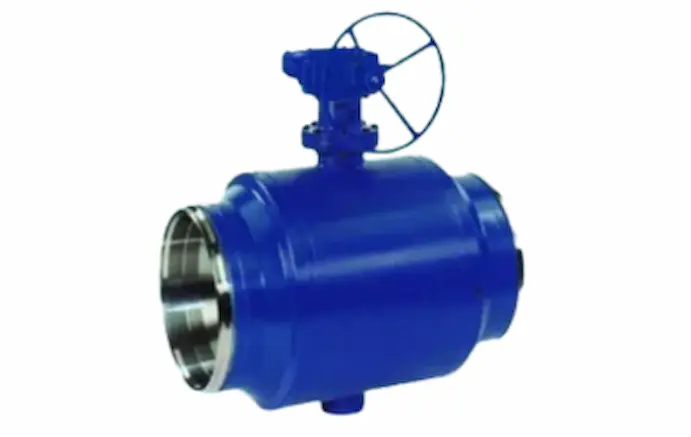
Typical Automation Scenarios
Case 1: Chemical Processing Plant
A plant replaced standard valves with low torque pneumatic ball valves.
Results:
-
actuator size reduced by 30%
-
lower compressed air consumption
-
faster and more stable response
Case 2: Water Treatment Automation
An automated filtration system adopted electric ball valves with low torque design.
Results:
-
Improved positioning accuracy
-
Reduced power draw
-
Longer actuator service life
Engineering Data and Torque Comparison
Standard vs Low Torque Ball Valves
| Selection Factor | Standard Ball Valve | Low-Torque Ball Valve | What Buyer Should Confirm |
|---|---|---|---|
| Operating torque | May be higher depending on seat load and pressure | Designed to reduce friction and operating torque | Certified torque data at maximum differential pressure |
| Actuator sizing | May require larger actuator | May allow smaller actuator when verified | Minimum air pressure / voltage, safety factor, fail position |
| Automation stability | Depends on torque consistency and actuator sizing | Can improve repeatability when properly matched | Breakaway, running and reseating torque |
| Energy use | Depends on actuator size and cycle frequency | May reduce air or power demand | Actual cycle rate, actuator type and control accessories |
| Maintenance risk | Depends on valve design and service | Lower friction may reduce wear in suitable service | Seat material, media cleanliness, temperature and cycling |
Why Automation Systems Demand Low Torque Valves
Automation systems prioritise repeatability and efficiency. High torque introduces variability, while valve torque reduction improves control accuracy and system responsiveness—especially in modulating or frequent cycling applications.
Industry Trends and Market Insight
-
Rising adoption of fully automated process plants
-
Increased demand for pneumatic ball valves in hazardous areas
-
Growing preference for energy-efficient automation solutions
As automation expands, low-torque ball valves are often evaluated in automated systems where actuator size, cycle frequency, air or power consumption, and repeatability are important project requirements.
Selection and Application Recommendations
-
Match valve torque to actuator output with safety margin
-
Choose low torque ball valves for high-cycle automation
-
Verify seat material compatibility with media
-
Consider long-term energy savings, not just initial cost
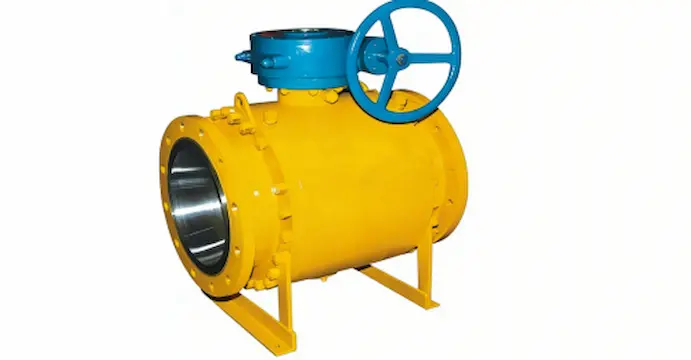
Conclusion
Automation efficiency starts with the right valve. Low torque ball valves reduce actuator size, energy consumption, and system complexity while improving control reliability. They are not just automation-friendly—they are automation-ready.
Vcore Valve delivers engineered automation valve solutions designed for modern industrial control systems.
👉 Contact Vcore Valve today to optimise your automated valve selection.
FAQs
What is a low-torque ball valve?
A ball valve designed to operate with minimal rotational force.
Why is low torque important for automation?
It allows smaller actuators, lower energy use, and more reliable control.
Are low-torque valves suitable for high pressure?
They may be suitable for high-pressure service only when the valve design, pressure class, seat construction, stem strength, body material, sealing system, and certified torque data meet the project requirements.
Do low-torque valves wear faster?
Not necessarily. Lower friction can reduce actuator load, but service life still depends on seat material, pressure differential, media cleanliness, temperature, cycle frequency, lubrication, and maintenance conditions.
Can low-torque ball valves be motorised?
Yes. They can be supplied with electric or pneumatic actuators when the actuator output torque, duty cycle, power or air supply, fail-safe function, and control accessories are correctly selected.
Does Vcore Valve offer automated low-torque solutions?
Yes, Vcore Valve supplies complete actuator ball valve packages.
References
-
ISO 5211 – Actuator Mounting Standards
-
ISO 17292 – Ball Valves for Petroleum Industry
-
ASME B16.34 – Valve Pressure–Temperature Ratings
-
Valve Manufacturers Association (VMA) – Automation Guidelines
-
Engineering Toolbox – Valve Torque Basics
-
API 6D – Pipeline Valves
-
Vcore Valve Automation Engineering Data