Quick Overview
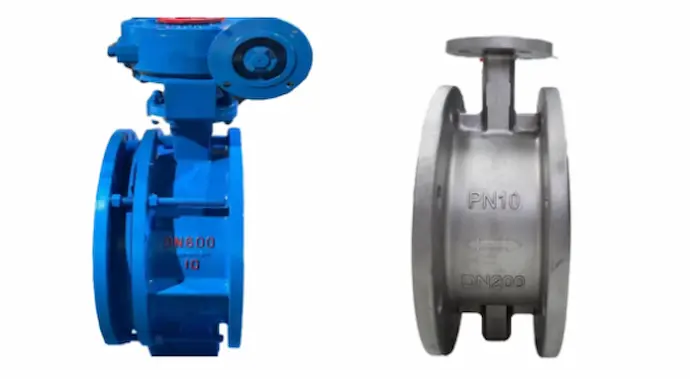
When looking at a butterfly valve, you’ll often notice an arrow marked on the valve body. But what exactly does this symbol mean? This article explores the significance of the valve arrow, its function, and why it’s critical for correct valve installation.
Introduction: The Importance of Proper Valve Installation
For engineers and operators, understanding valve markings is crucial for effective valve operation. One such marking is the arrow symbol found on the body of many butterfly valves. This simple yet essential symbol plays a key role in guiding the correct flow direction and ensuring the proper installation of the valve. Without this, you risk incorrect fluid flow, leading to inefficiency or even damage.
Common Pain Points in Valve Installation
-
Misalignment of Flow Direction
Improper valve installation due to misunderstanding the arrow marking can lead to incorrect flow direction, causing reduced efficiency or even system failure. -
Damage to Valve Components
When installed incorrectly, butterfly valves can experience uneven pressure distribution, leading to accelerated wear and tear. -
Increased Maintenance Costs
Incorrect installation leads to frequent valve malfunctions, increasing maintenance costs and downtime for operations.
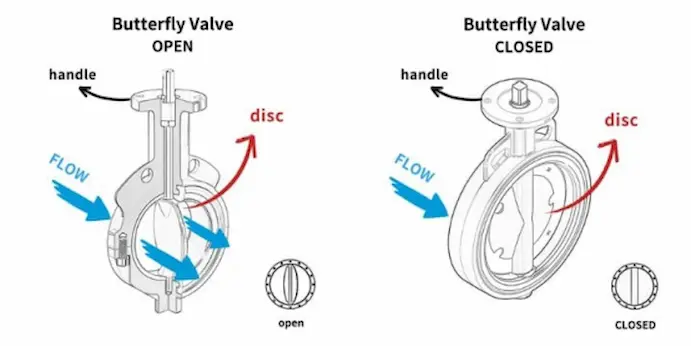
Solution and Best Practices
-
Pay Attention to the Arrow Symbol
Always ensure the valve is installed in accordance with the arrow’s direction, indicating the proper flow of the fluid through the valve. -
Follow Manufacturer Guidelines
Manufacturer installation guidelines typically show the flow direction and are often marked on the valve body with an arrow. Ensure to follow these instructions to prevent any mistakes during installation. -
Ensure Proper Valve Orientation
When installing butterfly valves, always double-check the orientation by referencing the flow arrow. Correct orientation prevents premature wear and maintains valve performance.
Example and Case Study
At Vcore Valve, our engineers regularly emphasize the importance of correctly following the flow direction markings. In one case, a customer experienced valve wear due to improper installation, leading to costly repairs. After reorienting the valves based on the correct flow direction, the problem was resolved, and system efficiency was restored.
Data and Scientific Analysis
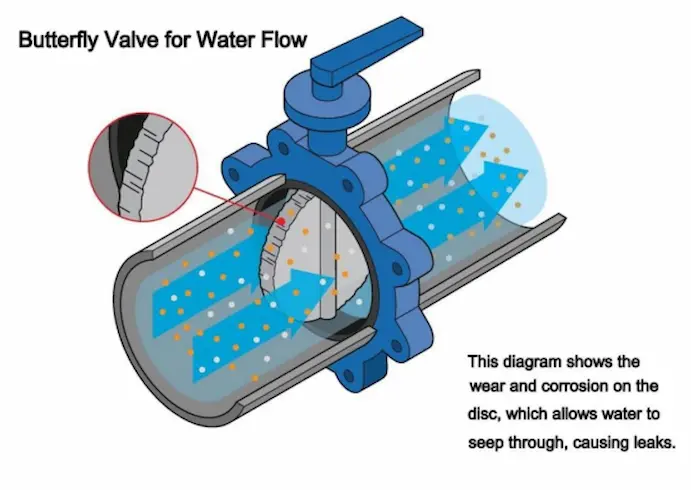
Installing a directional butterfly valve against the manufacturer’s recommended orientation may increase operating torque, reduce sealing performance, and accelerate seat or disc wear. This data reinforces the importance of paying attention to flow direction markings.
Industry Trends and Market Insights
As industries continue to move toward more sustainable operations, efficiency in valve installation and maintenance becomes paramount. Understanding and respecting flow direction can help reduce operational disruptions and maintenance costs. The trend is leaning towards smarter valves with clear, unambiguous markings to simplify installations.
Style and Usage Recommendations
-
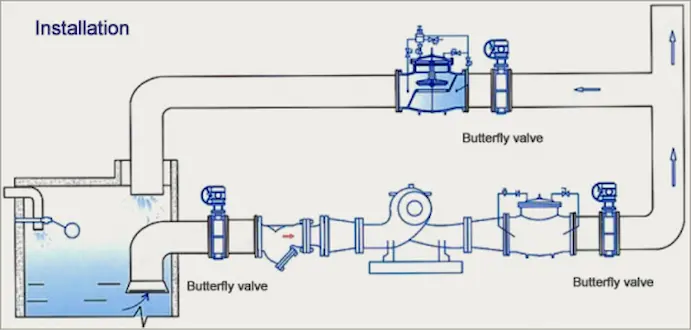
For High-Flow Systems: Ensure the valve body’s arrow marks align with the system’s flow path for optimal efficiency.
-
For Corrosive Fluids: Use durable materials for the valve body to prevent wear, especially when ensuring the valve is installed with the correct flow direction.
Conclusion
By understanding the importance of the valve arrow and ensuring correct valve installation, you can significantly improve the efficiency and lifespan of your butterfly valves. At Vcore Valve, we offer a wide range of valves suitable for various applications. Always refer to the valve markings and our expert guidelines to make the most of your investment.
FAQs
1. What does the arrow on a butterfly valve indicate?
The arrow on a butterfly valve may indicate the required or preferred flow direction, pressure orientation, or seating direction. Always confirm its meaning from the valve manufacturer’s installation instructions before installation.
2. Can I ignore the arrow marking during installation?
No, ignoring the arrow can cause improper fluid flow, which may lead to valve damage or system inefficiencies.
3. Are there different types of arrows for butterfly valves?
Typically, the arrow indicates fluid flow direction, but specific manufacturers may have unique markings. Always refer to the manual.
4. How does incorrect installation affect valve performance?
Improper installation can result in excessive wear, inefficient fluid control, and increased maintenance costs.
5. What happens if the butterfly valve is installed backward?
Installing the valve backward can lead to operational failure, causing pressure imbalances and potential damage to the valve components.