Quick Summary
Ball valve cavity relief protects the isolated body cavity between two closed seats from pressure rise caused by trapped liquid, temperature increase or vaporization. The key engineering question is not only whether a valve is a ball valve, but how its seat arrangement responds to cavity pressure.
- SPE seats are commonly associated with self-relieving cavity pressure, but the actual behavior depends on the manufacturer’s seat design.
- DPE seats provide stronger bidirectional sealing behavior, so external or engineered cavity relief may be required when the body cavity can be isolated.
- DBB and DIB describe isolation functionality; SPE and DPE describe seat pressure-response behavior. They are related, but they are not the same concept.
- Trapped liquid and cryogenic service need special attention because thermal expansion or vaporization can raise body cavity pressure quickly.
Ball valve cavity relief is the pressure-management strategy used to prevent an isolated ball valve body cavity from exceeding the allowable pressure of the valve design. In a closed ball valve, fluid can be trapped between the upstream and downstream seats. If that trapped volume is liquid, or if a cryogenic liquid later warms and vaporizes, a relatively small temperature change can create a significant pressure rise inside the cavity.
The right solution is not always a separate relief valve installed on the valve body. Cavity pressure relief may be provided by a self-relieving seat design, single piston effect seat behavior, an engineered pressure equalization path, a vented ball arrangement where applicable, or an external relief valve and relief piping package when the project specification requires it. The correct answer depends on valve type, seat arrangement, service conditions and the required relief direction.
01 What Is Ball Valve Cavity Relief?
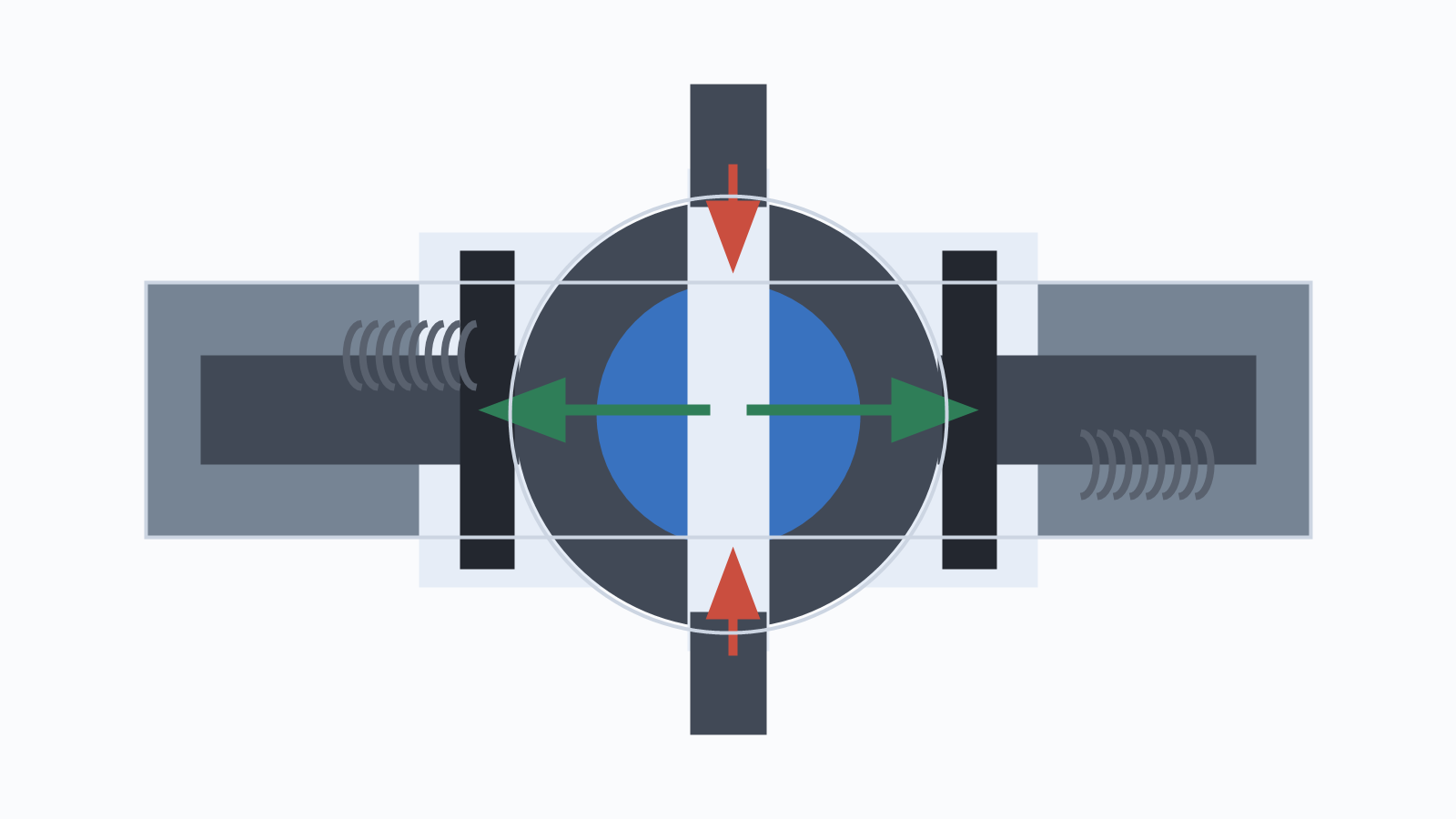
Cavity relief in ball valves is the controlled release or equalization of pressure from the valve body cavity. The body cavity is the space around the ball and between the two seat assemblies. When the ball is closed and both seats seal, this space can become isolated from the line.
For gas service, trapped pressure may be manageable depending on the valve design and operating conditions. For liquid service, especially when the liquid is non-compressible and exposed to heat, trapped cavity pressure can increase rapidly. The engineering risk is not ordinary pipeline pressure fluctuation. The risk is trapped cavity pressure exceeding the design limits of the seat, stem sealing system, body cavity components or valve body.
Engineering note: do not assume that every ball valve automatically relieves body cavity pressure. The actual behavior must be confirmed from the seat design, valve drawing, manufacturer data sheet and project specification.
02 Why Trapped Cavity Pressure Can Become Dangerous
When the cavity is filled with trapped liquid, thermal expansion can increase pressure even if the pipeline pressure is stable. The sequence is usually simple:
- The ball valve closes and both seats isolate the body cavity.
- Liquid remains trapped inside the cavity.
- Ambient heat, process temperature change or heat tracing increases the fluid temperature.
- The trapped liquid expands, but the cavity volume cannot expand enough.
- Cavity pressure rises until the seat design relieves it or another relief path opens.
Uncontrolled body cavity pressure can affect seat sealing, seat inserts, soft seals, stem packing, body seals and operating torque. In severe cases it can become an overpressure hazard. For this reason, ball valve cavity relief belongs in the valve selection discussion, not only in maintenance troubleshooting after the valve is already installed.
For broader pressure and temperature selection, use the valve pressure-temperature rating guide together with the actual valve datasheet. The class rating alone does not tell you how the body cavity will relieve.
03 How Ball Valve Cavity Pressure Builds Up
In many floating or trunnion mounted ball valves, two seats contact the ball. When the valve is closed, the upstream and downstream sides are isolated by the ball-seat interface. The body cavity between those seats may then contain process fluid. Whether that trapped pressure can self-relieve depends mainly on how the seat moves under differential pressure.
| Condition | Engineering question | Why it matters |
|---|---|---|
| Closed valve with trapped liquid | Can the cavity relieve to a lower-pressure side? | Thermal expansion may raise body cavity pressure above allowable limits. |
| SPE seat arrangement | Does the seat design allow self-relief at the designed differential pressure? | Many SPE designs can relieve cavity pressure, but the exact behavior is manufacturer-specific. |
| DPE or highly isolating seat arrangement | Is there an external or engineered relief path? | Do not assume automatic cavity self-relief when both seats seal from cavity pressure. |
| Cryogenic or volatile liquid service | What happens if trapped liquid warms or vaporizes? | Pressure rise may be fast and must be addressed before installation. |
04 Common Ball Valve Cavity Relief Methods
There are several valid ways to handle ball valve cavity pressure. The best method depends on the service fluid, pressure class, valve construction, relief destination and project safety requirements.
| Relief method | How it works | Typical application | Important limitation |
|---|---|---|---|
| Self-relieving SPE seat | The seat can move under cavity-to-line differential pressure and relieve toward a lower-pressure side. | Many trunnion ball valves where automatic cavity relief is required by the valve design. | The action pressure and direction must be verified from the manufacturer’s seat design. |
| Vented ball or pressure equalization hole | A designed passage equalizes the cavity with a specified pressure side. | Selected services where a fixed relief direction is acceptable. | Installation direction and pressure side are critical; it is not a universal two-way vent. |
| External cavity relief valve | A separate relief device protects the isolated body cavity. | DPE, DIB or special isolation services where the cavity may not self-relieve. | Set pressure must be defined from valve design limits and project engineering requirements. |
| External relief piping or controlled return line | Cavity pressure is routed to a safe destination according to the P&ID. | Hydrocarbon, toxic, flammable, cryogenic or closed-drain services. | Relief should not be assumed to discharge to atmosphere. |
| Project-specific engineered relief arrangement | The valve maker and project engineer define a validated pressure relief path. | Special media, high pressure, low temperature or strict isolation specifications. | Must be reviewed against the actual valve drawing and inspection requirements. |
05 SPE vs DPE Seats and Cavity Pressure Relief
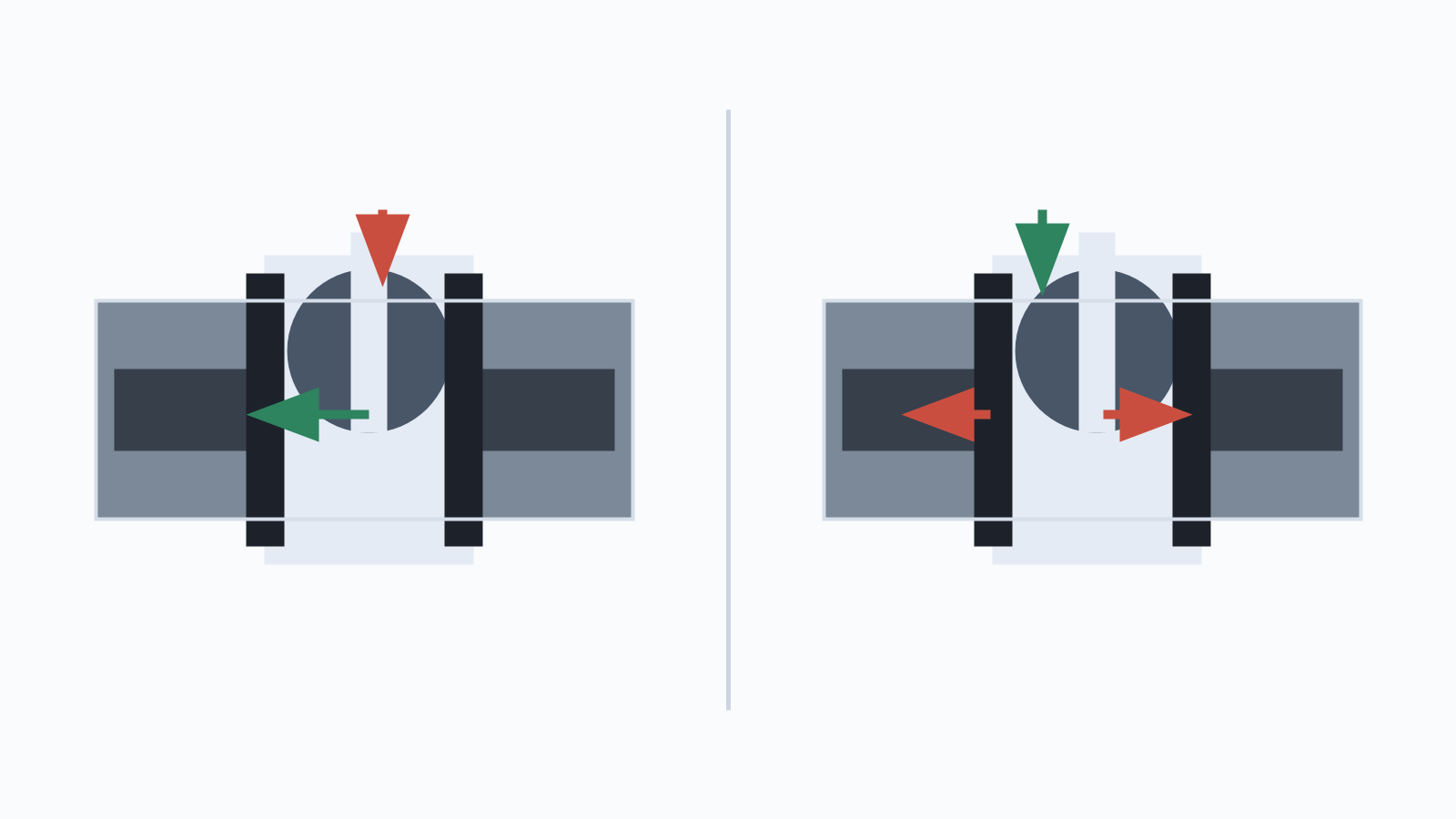
SPE means single piston effect. In a typical SPE seat design, when body cavity pressure becomes higher than the adjacent pipeline pressure by the required design differential, the seat can respond in a way that allows cavity pressure to relieve to the lower-pressure side. This is why SPE seats are often described as self-relieving. The exact movement, sealing balance and differential pressure are not universal numbers; they depend on the valve manufacturer’s design.
DPE means double piston effect. A DPE seat can use pressure from different directions to reinforce sealing. This is valuable for isolation, but it also means the cavity may not automatically relieve in the same way as an SPE seat. When both seats create a highly isolated cavity, an external cavity pressure relief arrangement or another validated relief path may be required.
| Feature | SPE seat | DPE seat |
|---|---|---|
| Cavity self-relief behavior | Commonly capable of self-relieving cavity pressure in the designed direction. | Should not be assumed to self-relieve without a verified relief path. |
| Pressure direction | Typically responds to pressure from one effective direction. | Can seal with pressure acting from more than one direction. |
| Isolation characteristic | Often selected where cavity pressure relief is part of the seat function. | Often selected where stronger isolation behavior is required. |
| Typical engineering concern | Confirm the relief direction and actual seat action. | Confirm whether trapped cavity pressure needs external relief. |
| External relief consideration | May not be required if the seat design provides acceptable self-relief. | Often considered for DIB or highly isolating service conditions. |
06 How Cavity Relief Relates to DBB and DIB Ball Valves
DBB and DIB are isolation and seating functionality terms. SPE and DPE are seat pressure-response principles. They are related in valve selection, but they should not be treated as identical.
A DBB and DIB ball valve should always be reviewed for body cavity pressure behavior. DBB arrangements commonly require careful evaluation of cavity bleed and vent functionality. DIB configurations, especially where highly isolating seat arrangements are used, require explicit consideration of how trapped body cavity pressure will be relieved.
Do not simplify the rule to “DBB equals SPE” or “DIB equals DPE.” Actual DIB-1, DIB-2 and DBB configurations vary by manufacturer design. The correct approach is to verify the seat configuration, the bleed/vent function and the specified relief direction before ordering.
07 Cavity Relief in Cryogenic Ball Valves
Cryogenic service makes cavity relief especially important. A small amount of trapped cryogenic liquid inside a closed ball valve can absorb ambient heat. As the liquid warms, expands or vaporizes, the body cavity pressure can rise quickly. This is why cryogenic ball valves often require a clearly defined cavity relief strategy.
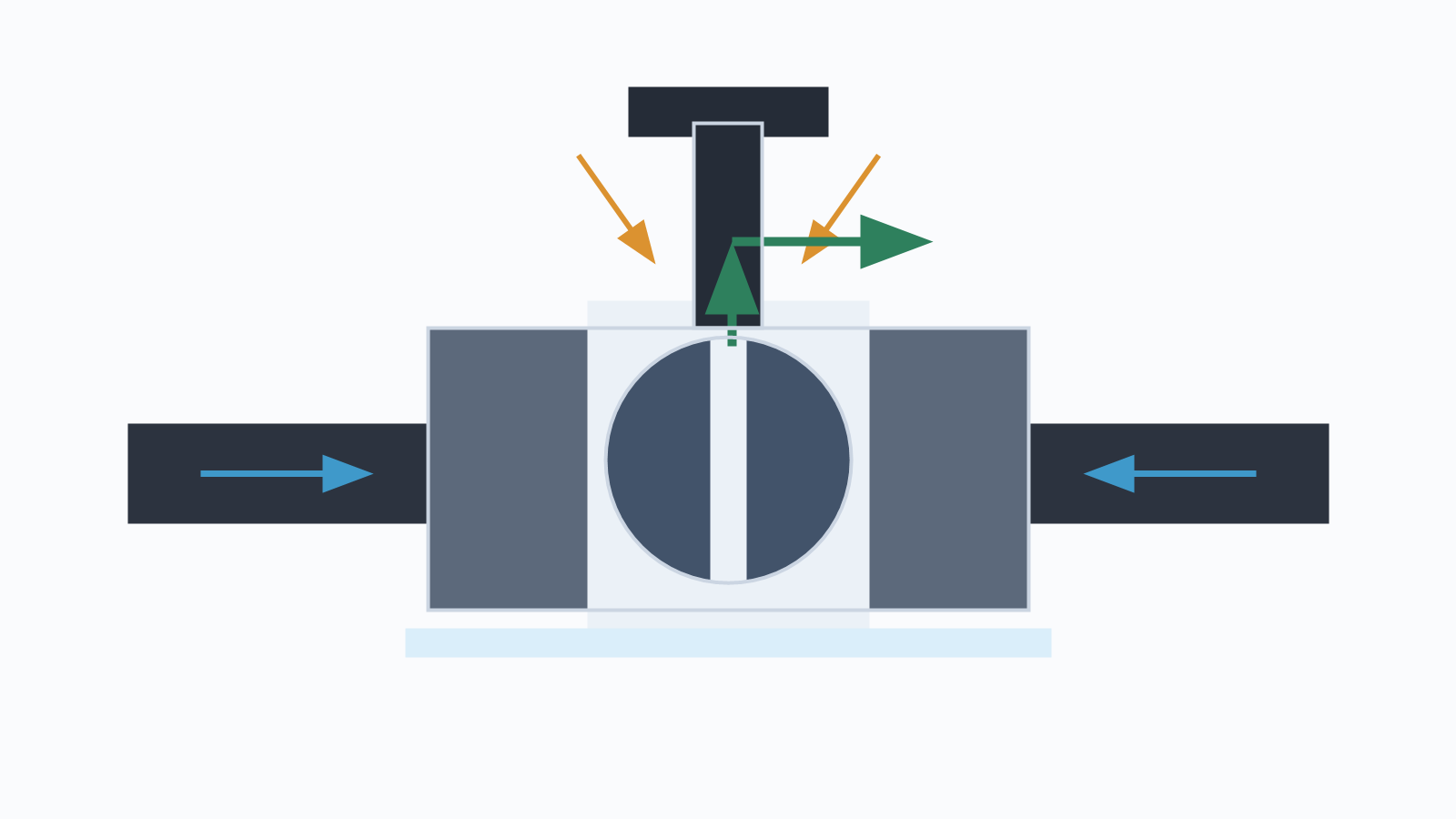
A cryogenic ball valve may use a vented ball, self-relieving seat or engineered cavity relief arrangement. The design must be confirmed from the manufacturer drawing and the project requirements. In LNG, industrial gas and low-temperature chemical service, relief destination is also important. The cavity relief path should route pressure to a safe system as defined by the P&ID and project safety rules.
08 When Is External Cavity Relief Required?
External cavity relief is normally considered when the internal seat design cannot be relied on to protect the cavity, or when the project specification requires a dedicated pressure relief path. It is especially relevant for trapped liquid, DPE seat arrangements, DIB service, cryogenic fluids, flammable media, toxic media and systems where relief to atmosphere is not acceptable.
The decision should be made from valve design limits, process conditions and project safety requirements. If an external relief valve is required, the set pressure must be defined from the allowable pressure of the valve body cavity and the project engineering basis. It should not be guessed from a generic value.
09 Ball Valve Cavity Relief Selection Checklist
For a reliable selection, the buyer and valve manufacturer should confirm the following before production:
| Valve type | Floating or trunnion mounted ball valve |
| Size and pressure class | NPS/DN, Class/PN, design pressure and test requirements |
| Temperature range | Design temperature, operating range, start-up and shutdown conditions |
| Medium | Liquid, gas or two-phase service, including trapped liquid possibility |
| Seat arrangement | SPE, DPE or manufacturer-specific seat configuration |
| Isolation requirement | DBB, DIB-1, DIB-2 or project-defined isolation function |
| Required relief direction | Upstream, downstream, cavity vent, controlled return line or engineered path |
| External relief requirement | Relief valve, relief piping, closed drain or project-specific arrangement |
| Special service | Cryogenic, fire-safe, sour service, toxic, flammable or polymerizing media |
| Documentation | Valve drawing, seat arrangement, pressure test, material certificates and inspection records |
For documentation planning, the valve certificates and quality documents guide can help buyers specify what should be provided with the valve package.
10 What Buyers Should Specify in an RFQ
When requesting a quotation for industrial ball valves with cavity relief requirements, avoid asking only for “a ball valve with pressure relief.” That wording is too broad. A better RFQ gives the manufacturer enough process data to confirm the seat design and relief strategy.
RFQ data to send: valve size, pressure class, design temperature, operating temperature, medium, phase, trapped liquid possibility, floating or trunnion preference, SPE/DPE requirement, DBB/DIB requirement, cavity relief direction, external relief requirement, relief destination, fire-safe requirement and required inspection/testing documents.
If leakage performance is also part of the project concern, review the valve sealing performance guidance alongside the cavity relief requirement. Seat sealing and cavity pressure behavior should be evaluated together.
FAQ
What is cavity relief in a ball valve?
Cavity relief is the controlled release or equalization of pressure from the body cavity between the ball valve seats. It protects the isolated cavity from pressure rise caused by trapped fluid, thermal expansion or liquid vaporization.
Why does pressure build up inside a closed ball valve cavity?
Pressure can build up when liquid is trapped between two closed seats and then exposed to a temperature increase. Because liquid is difficult to compress, thermal expansion can raise cavity pressure quickly.
What is a self-relieving ball valve seat?
A self-relieving seat is designed so that excess cavity pressure can move the seat in a controlled way and relieve toward a lower-pressure side. The exact behavior depends on the manufacturer’s seat design.
What is the difference between SPE and DPE seats?
SPE means single piston effect and is commonly associated with self-relieving cavity pressure behavior. DPE means double piston effect and can seal with pressure from more than one direction, so cavity self-relief should not be assumed without verification.
Does a DBB ball valve automatically relieve cavity pressure?
No. DBB describes isolation and bleed functionality, not a universal cavity relief method. The actual seat configuration and bleed/vent arrangement must be checked.
Does a DIB ball valve require external cavity relief?
Some DIB configurations may require external or engineered cavity relief, especially when both seats strongly isolate the body cavity. The decision depends on manufacturer design and project specification.
Why do cryogenic ball valves need cavity relief?
Cryogenic liquid trapped in the body cavity can warm, expand or vaporize after the valve is closed. This can raise cavity pressure quickly, so the relief path must be clearly defined.
What information should be specified when ordering a ball valve with cavity relief?
Specify size, pressure class, design temperature, operating temperature, medium, phase, trapped liquid possibility, seat arrangement, DBB/DIB requirement, required relief direction, external relief need and inspection/testing documents.
Conclusion
Ball valve cavity relief is a seat-design and project-specification issue, not a generic accessory. The safest selection path is to identify whether the body cavity can trap liquid, confirm SPE or DPE seat behavior, review DBB/DIB isolation requirements, define the relief direction and document the final arrangement on the valve drawing and datasheet. That gives buyers, engineers and manufacturers a shared basis for quotation, inspection and long-term valve reliability.