Key Product Features
- Designed for low-temperature and cryogenic isolation service
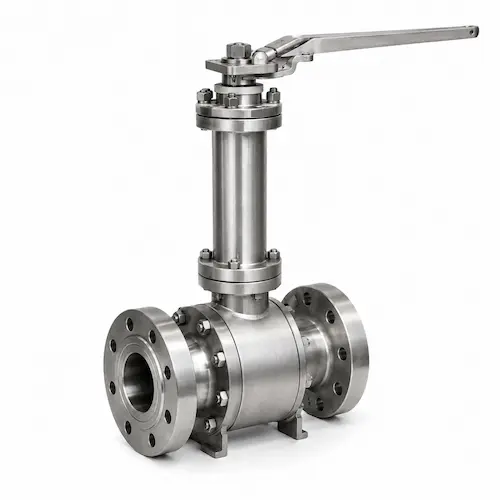
- Extended bonnet or extended stem design to keep packing away from the cold zone
- Low-temperature material options selected according to service temperature
- Cavity pressure relief design for trapped cryogenic liquid expansion
- Floating-ball or trunnion-mounted construction according to size and pressure
- Full-bore or reduced-bore flow passage
- Flanged, butt-weld, socket-weld or project-specific end connections
- Cryogenic testing, PMI, MTC and cleaning options available when specified
- Oxygen service cleaning and degreasing available only when required and confirmed
Product Configuration
| Configuration Item | Common Configuration | Project Options |
|---|---|---|
| Valve Type | Two-way cryogenic ball valve | Floating-ball or trunnion-mounted design |
| Bonnet / Stem | Extended bonnet or extended stem | Extension length according to insulation thickness and project drawing |
| Body Material | Stainless steel or low-temperature material | CF8M, F316, LF2, LCB, duplex or project-specified material |
| Seat Design | Low-temperature soft seat | PCTFE, PTFE, RPTFE, PEEK or metal seat after review |
| Cavity Relief | Pressure relief design for trapped cavity liquid | Upstream vent hole, cavity relief path or project-specific solution |
| End Connection | Flanged or butt-weld ends | Socket weld, threaded or project-specific connection |
| Operation | Lever or gearbox | Pneumatic, electric or extended-stem operation |
Technical Specifications
| Specification Item | Typical / Available Options |
|---|---|
| Product Type | Cryogenic ball valve / low temperature ball valve |
| Primary Function | On-off isolation for cryogenic and low-temperature fluids |
| Minimum Design Temperature | According to selected material, test requirement and project specification |
| Body Construction | Two-piece, three-piece, split-body, forged, cast or trunnion-mounted design |
| Size Range | According to selected product series and approved drawing |
| Pressure Class | According to body material, end connection, temperature and approved pressure-temperature rating |
| Body Material | CF8M, F316, F316L, LF2, LCB, duplex stainless steel or project-specified material |
| Ball / Stem Material | Stainless steel, low-temperature alloy or project-specified material |
| Seat Material | PCTFE, PTFE, RPTFE, PEEK, metal seat or project-specified material |
| Packing | PTFE, graphite, flexible graphite or low-temperature compatible packing |
| Port Design | Full bore or reduced bore |
| End Connection | Flanged, butt weld, socket weld or project-specific connection |
| Design Reference | ISO 28921-1, API 608, ASME B16.34 or approved project specification where applicable |
| Testing Reference | Cryogenic test, API 598, EN 12266 or approved inspection specification where applicable |
| Typical Media | LNG, liquid nitrogen, liquid oxygen, liquid argon, low-temperature gas and selected cryogenic process fluids |
Technical note: Do not publish fixed minimum temperature, pressure class, leakage class, oxygen-service suitability or cryogenic test compliance until the selected valve model, material list, seat design and project specification are confirmed.
Extended Bonnet and Stem Design
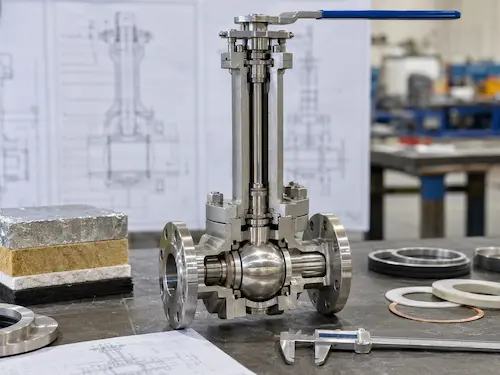
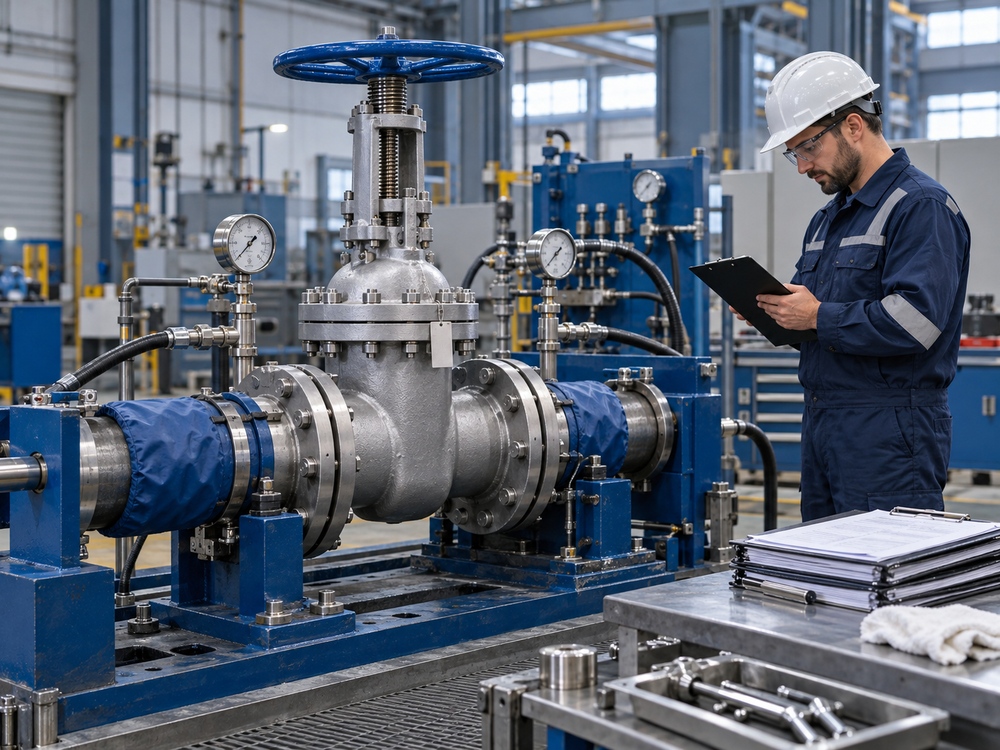
The extended bonnet or extended stem is one of the most important features of a cryogenic ball valve. It helps move the stem packing and operator area away from the coldest part of the pipeline, reducing the risk of packing hardening, frost buildup and sealing failure around the stem.
The required extension height should be confirmed according to service temperature, insulation thickness, installation direction, operating clearance and project drawing. A standard bonnet height should not be assumed for every cryogenic application.
 Cavity Pressure Relief for Cryogenic Service
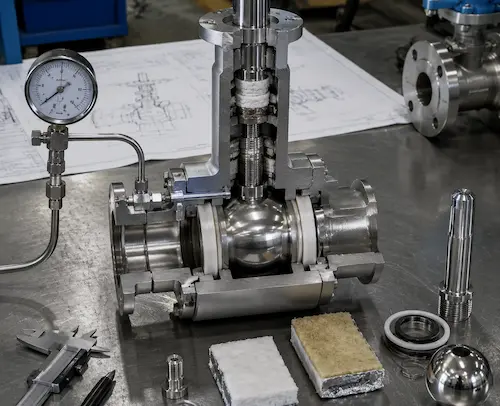 Cavity Pressure Relief for Cryogenic Service
When cryogenic liquid is trapped in the closed valve cavity, it may expand rapidly as temperature rises. This can create dangerous cavity overpressure if no relief path is provided. Cryogenic ball valves therefore often require a cavity pressure relief design.
- An upstream vent hole may allow cavity pressure to relieve toward the upstream side.
- A self-relieving seat design may be used in selected configurations.
- A dedicated cavity relief system may be required for certain project specifications.
- The pressure relief direction must be clearly marked and confirmed before installation.
Low Temperature Materials and Seat Options
| Component | Common Options | Selection Consideration |
|---|---|---|
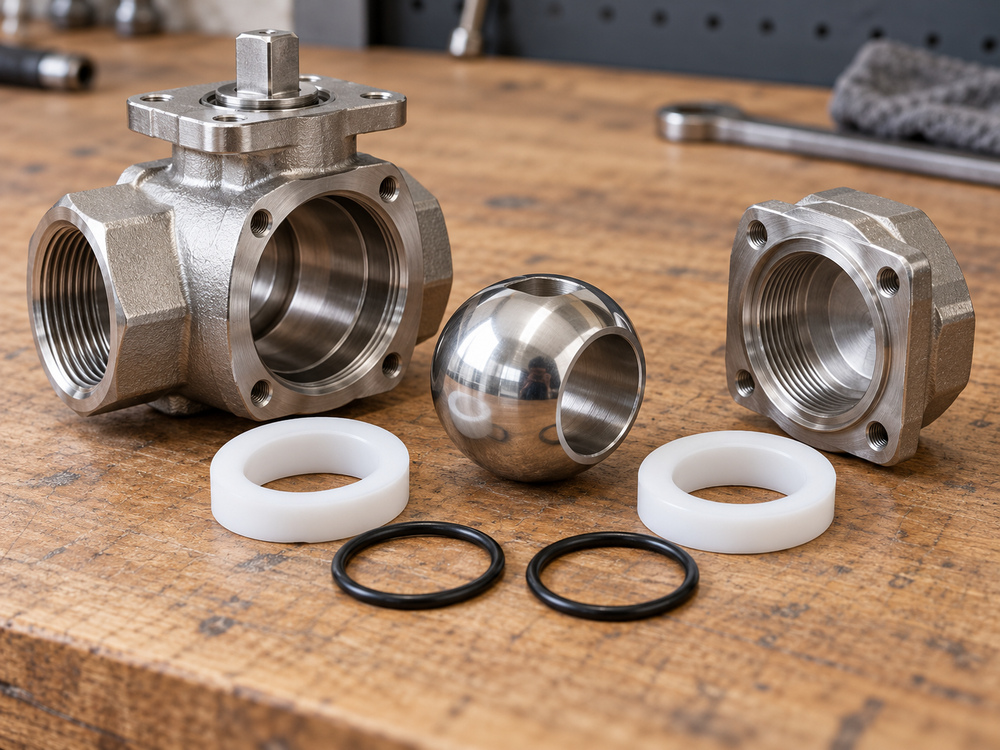
| Body | CF8M, F316, F316L, LF2, LCB, duplex or project-specified material | Low-temperature toughness, corrosion resistance, pressure class and documentation |
| Ball | 316 stainless steel, duplex stainless steel or project-specified material | Surface finish, corrosion resistance and dimensional stability at low temperature |
| Stem | 316 stainless steel, 17-4PH, duplex or project-specified material | Torque transmission, thermal contraction and stem sealing reliability |
| Seat | PCTFE, PTFE, RPTFE, PEEK or metal seat | Minimum temperature, pressure, leakage class, medium compatibility and cycling |
| Packing | PTFE, graphite or low-temperature compatible packing | Stem leakage control, temperature resistance and emission requirement |
| Body Seal | PTFE, graphite, spiral-wound gasket or project-specific seal | Body construction, temperature cycling and pressure retention |
 Typical Applications
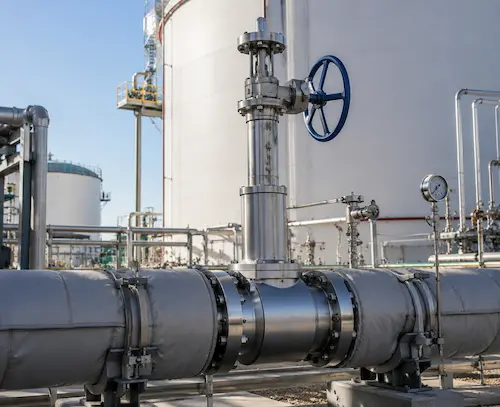 Typical Applications
Cryogenic ball valves are selected where low-temperature shutoff and reliable stem sealing are required. Common service areas include:
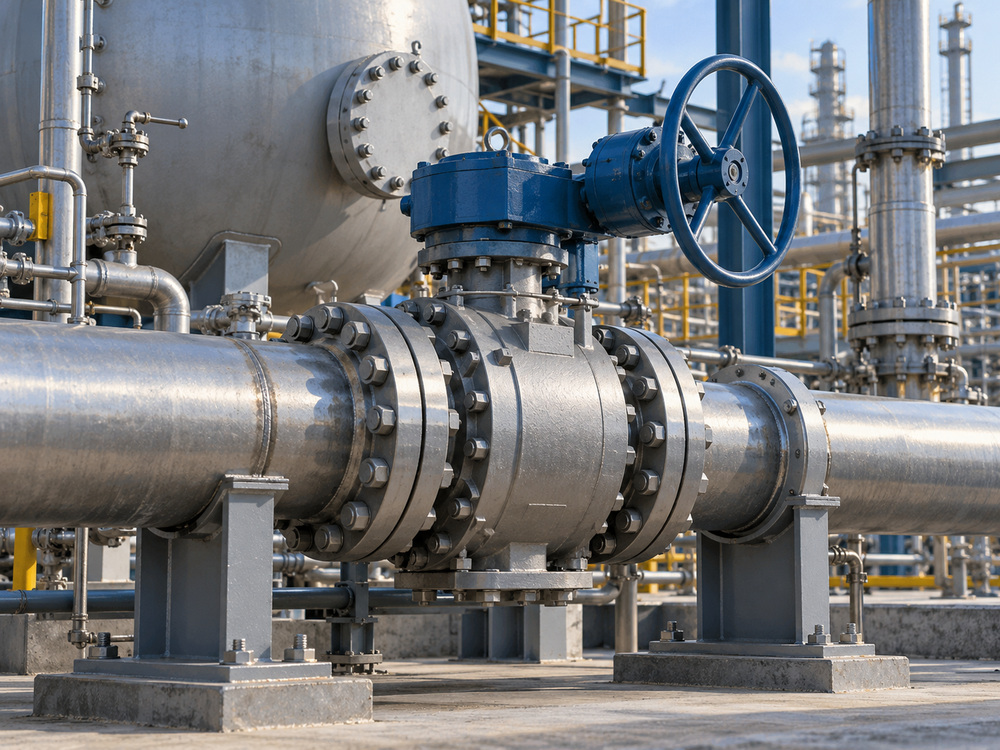
- LNG storage, transfer and loading systems
- Liquid nitrogen supply and distribution lines
- Liquid oxygen systems after oxygen-service review and cleaning confirmation
- Liquid argon and industrial gas systems
- Low-temperature chemical process lines
- Cryogenic tank inlet, outlet and drain connections
- Gas liquefaction and vaporization systems
- Laboratory, skid-mounted and industrial gas equipment
For pipeline and oil & gas service, compare our API 6D Ball Valve. For flammable media, review the Fire Safe Ball Valve. For corrosion-resistant construction, see the 316 Stainless Steel Ball Valve. Additional structures are available in the Ball Valve category.
Application Limits
- A cryogenic ball valve is mainly intended for fully open or fully closed isolation service.
- Continuous throttling can damage seats and create unstable flow conditions.
- Oxygen service requires dedicated cleaning, degreasing, material review and contamination control.
- LNG, liquid oxygen, liquid nitrogen and liquid hydrogen should not be treated as the same service.
- Cavity pressure relief direction must be confirmed before installation.
- Standard elastomers may become brittle or lose sealing performance at cryogenic temperatures.
- Thermal cycling can affect torque, leakage and stem sealing performance.
- Minimum design temperature must be confirmed by test requirement and material documentation.
Inspection and Documentation
| Inspection / Document | Purpose |
|---|---|
| Material Test Certificate | Confirms body, ball, stem and pressure-containing component materials. |
| PMI | Verifies alloy material chemistry when specified. |
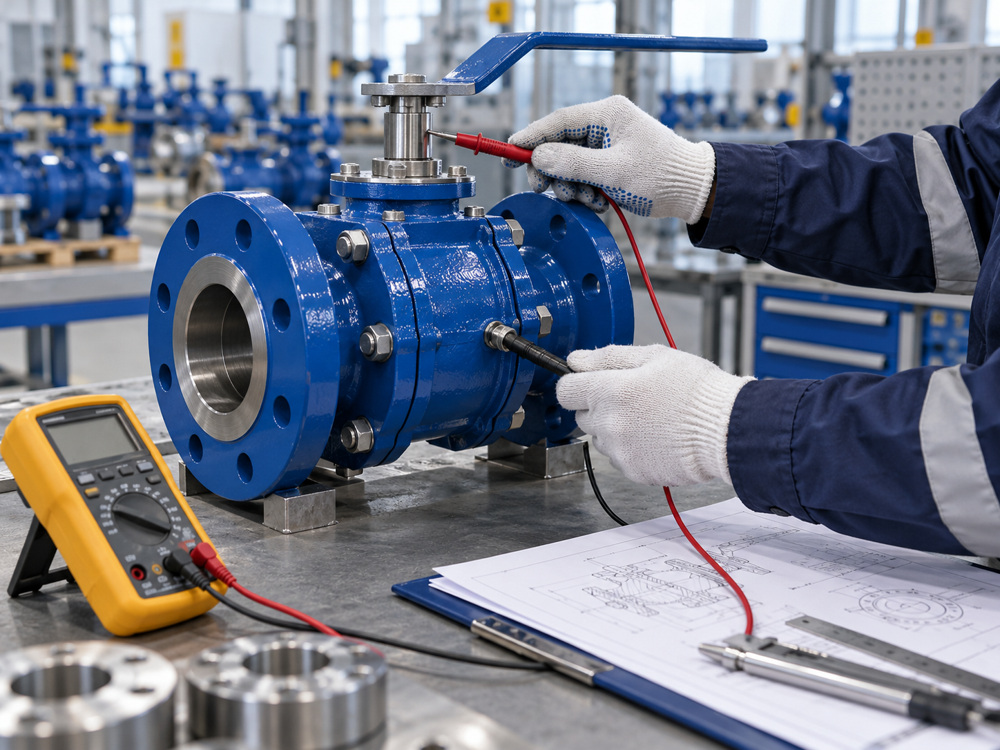
| Dimensional Inspection | Checks end connection, bore, face-to-face or end-to-end length and bonnet extension height. |
| Shell Pressure Test | Verifies pressure-containing body integrity. |
| Seat Leakage Test | Confirms shutoff performance under the agreed test condition. |
| Cryogenic Test | Verifies leakage, operation and sealing performance at the specified low temperature. |
| Cavity Relief Verification | Confirms pressure relief direction or cavity relief arrangement when specified. |
| Oxygen Cleaning Record | Provided only when oxygen service cleaning and degreasing are specified. |
| Final Data Book | Collects drawings, MTCs, inspection reports, test records and certificates. |
Export packing should protect machined sealing faces, extended bonnet, stem packing area, weld ends, flange faces and cleaned internal surfaces. For oxygen or high-cleanliness service, packing and handling should avoid oil, grease, dust and carbon-steel contamination according to the project requirement.
 Information Required for Valve Selection
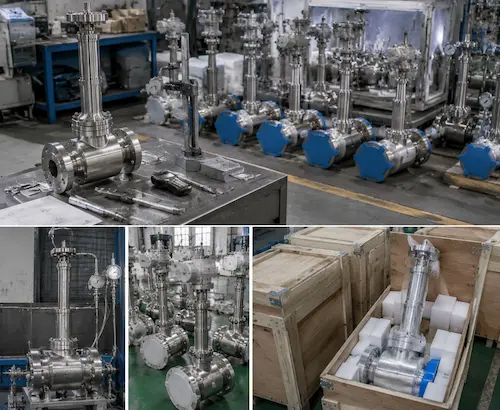 Information Required for Valve Selection
- Valve size and quantity
- Medium: LNG, liquid nitrogen, liquid oxygen, liquid argon or other cryogenic fluid
- Minimum design temperature and operating temperature
- Working pressure, design pressure and pressure class
- Body, ball, stem, seat, packing and body seal materials
- Extended bonnet or stem extension requirement
- Insulation thickness and operating clearance
- Full-bore or reduced-bore requirement
- Flanged, butt-weld, socket-weld or project-specific end connection
- Cavity pressure relief direction or vent-hole requirement
- Manual, gearbox, pneumatic or electric operation
- Cryogenic test, oxygen cleaning, PMI, NDE or third-party inspection requirement
FAQ
1. What is a cryogenic ball valve used for?
A cryogenic ball valve is used for on-off isolation in LNG, liquid nitrogen, liquid oxygen, liquid argon and other low-temperature gas or liquid systems where standard ball valve materials and sealing designs may not be suitable.
2. Why does a cryogenic ball valve need an extended bonnet?
The extended bonnet helps keep the stem packing and operator area away from the coldest part of the valve, reducing the risk of packing hardening, frost buildup and stem leakage under cryogenic conditions.
3. Why is cavity pressure relief important?
If cryogenic liquid is trapped in the valve cavity and warms up, it can expand and create dangerous overpressure. A vent hole, self-relieving seat or other relief arrangement may be required depending on valve design and project specification.
4. Can the same cryogenic ball valve be used for LNG and liquid oxygen?
Not automatically. Liquid oxygen service requires special material review, cleaning, degreasing and contamination control. LNG, liquid nitrogen and liquid oxygen should each be reviewed as separate service conditions.
5. What information is needed for quotation?
For quotation, provide valve size, pressure class, medium, minimum temperature, connection type, body material, seat material, extended bonnet requirement, cavity relief direction, operation method, cryogenic test requirement and cleaning requirement.