Quick Overview
Fireproof and anti-static D-ball valves are integral to safety in high-risk industrial environments. These valves are designed to prevent sparks, ensure fire resistance, and maintain the integrity of critical systems. In this article, we will explore the importance of these valves, how they work, and the key industries that rely on them.
Introduction: The Need for Fireproof and Anti-Static Valves
Industrial applications, especially those in hazardous environments, demand valves that can withstand extreme conditions. Fireproof and anti-static D-ball valves are engineered to meet these demands, providing crucial safety measures in the event of electrical discharge or exposure to flammable substances.
These valves offer a dual purpose: they prevent static electricity build-up (which could lead to sparks and explosions) and provide fire resistance to safeguard against the spread of flames in critical systems. Let’s dive into why these valves are essential for industries such as chemical, oil, and gas, where safety is paramount.
Pain Points in Hazardous Industrial Environments
1. Explosion and Fire Risk
In industries dealing with flammable materials, the risk of fire or explosion is always a concern. Static electricity build-up or high temperatures can trigger catastrophic incidents.
2. Static Discharge in Critical Systems
Static electricity can accumulate in valves and cause electrical discharges, leading to potential explosions or equipment damage. In certain applications, such as in chemical processing, this can be particularly dangerous.
3. Valve Performance under Extreme Conditions
Valves in high-risk environments must not only resist fire but also maintain their functionality under extreme temperatures, pressures, and potential contamination.
Solutions: Fireproof and Anti-Static D-Ball Valves
1. The Importance of Fireproof Design
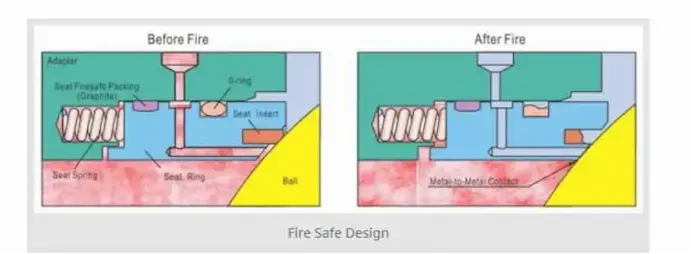
Fireproof D-ball valves are specifically designed to withstand high temperatures, ensuring they don’t fail under extreme conditions. These valves are equipped with advanced sealing materials that resist the effects of fire, making them ideal for applications in industries where fire risk is high, such as petrochemical plants, refineries, and offshore rigs.
2. Anti-Static Properties for Safer Operations
The anti-static feature in D-ball valves prevents the accumulation of static charges that could lead to sparks. This is particularly important in environments with volatile chemicals or gases. By reducing the risk of electrical discharge, these valves help prevent fires and explosions caused by static electricity.
3. Durable and Reliable Performance
Fireproof and anti-static D-ball valves are built to offer long-lasting, reliable performance in harsh environments. They maintain precise flow control, even when exposed to extreme pressures and temperatures, ensuring smooth operations in demanding industrial applications.
Case Study: Fireproof D-Ball Valves in the Oil & Gas Industry
A major oil refinery faced challenges with static discharge in its valve systems, particularly in sections dealing with flammable liquids and gases. After installing fireproof and anti-static D-ball valves, the refinery saw a dramatic reduction in safety incidents, with no further reports of sparks or explosions. The valves provided reliable sealing, even under high temperatures, and the anti-static properties ensured a safer working environment.
This case demonstrates how these valves can prevent costly incidents and ensure safe and efficient operations in industries where safety is critical.
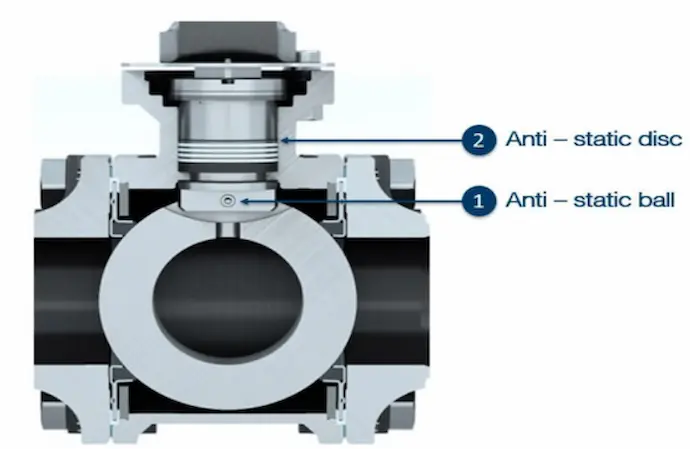
Data Comparison
Here is a comparison of typical valve types used in high-risk environments based on their fireproof and anti-static capabilities:
| Valve Type | Fire Resistance | Anti-Static Capability | Best for | Typical Applications |
|---|---|---|---|---|
| Fireproof D-Ball Valve | High | Yes | Flammable, explosive environments | Petrochemical, oil, gas, offshore |
| Standard Ball Valve | Low | No | General applications | Water, non-flammable systems |
| Globe Valve | Moderate | No | Moderate-risk environments | HVAC, cooling systems |
| Butterfly Valve | Moderate | Yes | Medium pressure, low risk | Water treatment, food processing |
Trends Insights
The market for fireproof and anti-static valves is growing, especially as industries become more aware of the dangers posed by static electricity and fire hazards in industrial settings. Manufacturers are increasingly adopting advanced materials and technologies to improve valve safety, durability, and performance. Trends in automation and smart valve systems are also gaining traction, allowing for real-time monitoring of valve conditions in hazardous environments, reducing human error, and improving safety.
Style Suggestions
When selecting fireproof and anti-static D-ball valves for your system, consider the following:
-
Material Selection: Ensure that the valve material is suitable for the temperature and pressure conditions in your specific application. Stainless steel and high-alloy materials are commonly used for these valves due to their high resistance to both heat and corrosion.
-
Proper Sizing: Valve sizing should be matched to the flow and pressure requirements of the system to ensure optimal performance. Oversized or undersized valves can lead to inefficient flow and potentially dangerous situations.
-
Installation and Maintenance: Regular inspection and maintenance are crucial to ensure the continued effectiveness of these valves. Ensure that all components are correctly installed and maintained according to manufacturer guidelines.
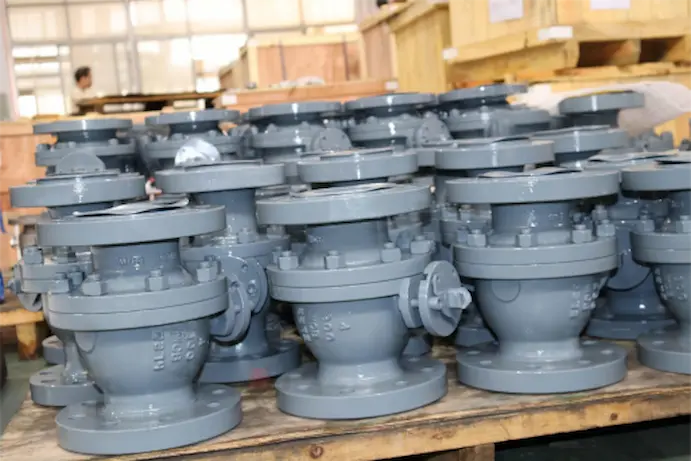
Conclusion: Fireproof and Anti-Static D-Ball Valves for Maximum Safety
Fireproof and anti-static D-ball valves are essential for maintaining safety and efficiency in hazardous industrial environments. By preventing static discharge and offering fire resistance, these valves help avoid accidents, reduce downtime, and improve the overall reliability of critical systems. For industries such as oil, gas, and chemicals, these valves are not just a necessity—they’re a lifeline.
At Vcore Valve, we provide top-quality fireproof and anti-static D-ball valves that meet the highest industry standards. Contact us today to learn how we can help improve the safety of your systems.
FAQs
1. What makes D-ball valves fireproof?
D-ball valves are made from special fire-resistant materials, such as stainless steel and other high-grade alloys, which allow them to withstand high temperatures and prevent failure during fire incidents.
2. How do anti-static D-ball valves prevent explosions?
These valves are designed to dissipate static electricity, preventing the build-up of dangerous charges that could trigger sparks and explosions in flammable environments.
3. In what industries are fireproof and anti-static D-ball valves used?
These valves are primarily used in industries such as oil, gas, petrochemical, offshore rigs, and any environment where fire and explosion hazards are prevalent.
4. Can fireproof D-ball valves be used in non-flammable systems?
While these valves can technically be used in any system, they are best suited for environments where there is a risk of fire or static electricity build-up.
5. What maintenance is required for fireproof and anti-static valves?
Regular maintenance, including inspection of seals and valves for wear, cleaning, and testing for static dissipation, is essential to maintain valve functionality.
Reference
-
Anti-Static Valves in Hazardous Environments
-
Industrial Valve Solutions for Safety