Quick Overview
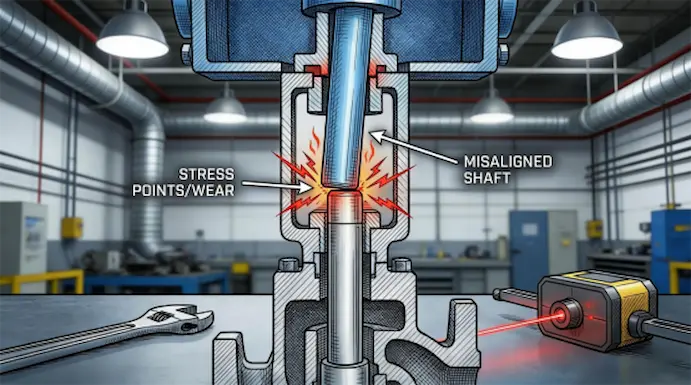
Misalignment between a pneumatic actuator and valve stem can create side load, uneven torque transfer, incomplete travel, high operating torque, stem wear, coupling damage, seat leakage, actuator seal wear, and unstable valve positioning. Correct installation should verify the mounting flange, bracket, coupling, stem orientation, travel stops, actuator sizing, air supply, and smooth valve operation before commissioning.
Opening Scenario
Picture an automated industrial process where a series of pneumatic valves are controlling the flow of critical fluids. Each valve actuator is linked to a control system to maintain precision. Suddenly, due to improper installation or wear, one of the valve actuators becomes misaligned, and the valve fails to perform as expected. The result? Reduced efficiency, wasted energy, and costly system downtime.
Misaligned pneumatic valve actuators are a common but often overlooked issue, which, if not addressed quickly, can escalate into more significant problems.
Pain Points
Valve actuators play a vital role in regulating the opening and closing of pneumatic valves. Misalignment in these actuators can lead to several operational challenges:
1. Increased wear and tear
Misalignment causes uneven force distribution, resulting in excessive strain on the actuator and valve components. Over time, this leads to accelerated wear and potentially permanent damage.
2. Reduced control accuracy
When the actuator is not properly aligned, it can cause erratic valve movement, reducing the control accuracy of the pneumatic system. This results in inefficient fluid flow regulation and reduced system performance.
3. Increased energy consumption
A misaligned actuator can force the pneumatic valve to work harder than necessary to achieve the desired position. This inefficient operation leads to increased energy consumption, higher operational costs, and potential environmental impact.
Common Causes of Pneumatic Actuator Misalignment
| Cause | Typical Problem |
|---|---|
| Wrong mounting bracket | Actuator centerline does not match valve stem centerline |
| Incorrect coupling | Loose fit, wrong bore, wrong square size, backlash or slipping |
| Valve stem offset | Side load on stem and packing area |
| Improper ISO 5211 interface match | Flange, bolt circle or drive dimensions do not match |
| Uneven bolt tightening | Bracket distortion or actuator tilt |
| Wrong travel stop setting | Valve does not fully open or close |
| Undersized actuator | Actuator stalls or overloads coupling and stem |
| Worn stem / coupling / bracket | Increased backlash and unstable movement |
| Poor pipe support | Piping stress transfers load to valve and actuator |
Components Affected by Misalignment
| Component | Possible Damage |
|---|---|
| Valve stem | Bending load, wear, packing leakage, stem sticking |
| Coupling | Backlash, rounding, slipping, cracking |
| Mounting bracket | Distortion, loose bolts, vibration |
| Actuator shaft | Bearing wear, seal wear, uneven load |
| Valve seat | Incomplete closure, leakage, uneven compression |
| Ball / disc | Scratching, uneven contact, high torque |
| Positioner / limit switch | Wrong feedback, unstable signal, false open/closed indication |
| Solenoid / air circuit | Repeated cycling if valve cannot reach position |
Solutions
To prevent the detrimental effects of actuator misalignment, engineers must take the following steps:
1. Ensure correct actuator installation
Proper installation is the first step in preventing actuator misalignment. Ensure that the actuator is aligned with the valve stem and operates smoothly without unnecessary force or obstruction.
Before assembly, confirm the mounting flange, actuator drive, bracket, coupling and shaft alignment using our ISO 5211 actuated valve mounting guide
2. Regular maintenance checks
Routine maintenance is essential to detect early signs of misalignment. Regular inspection of actuators and valve components can help identify any misalignment before it causes serious issues, preventing unexpected downtime.
3. Use quality components
Use compatible actuator brackets, couplings, mounting flanges, fasteners, stem adapters, and travel stops. Confirm ISO 5211 flange size, stem drive shape, coupling fit, bolt grade, actuator torque output, valve break torque, air supply pressure, and manufacturer installation instructions before assembly.
At Vcore Valve, we provide advanced actuator solutions designed to minimise misalignment risks and enhance the overall performance of pneumatic valves.
Case Study
A large chemical plant was experiencing repeated failures in its pneumatic valve systems due to actuator misalignment. The misalignment was causing the valves to open and close erratically, leading to operational inefficiencies and increased maintenance costs.
The plant engineers installed precision-mounted actuators and implemented a regular maintenance schedule. After addressing the misalignment issue, the plant reported a 30% improvement in valve performance and a significant reduction in downtime.
This case highlights the importance of addressing misaligned valve actuators and using high-quality components to maintain system performance and reliability.
Data Analysis-Valve Actuators
| Inspection Item | What to Check | Possible Finding |
|---|---|---|
| Actuator-to-stem centerline | Whether actuator shaft and valve stem are coaxial | Side load, high torque, stem wear |
| Coupling fit | Bore size, drive shape, backlash, locking method | Slipping, lost motion, inaccurate position |
| Mounting bracket | Flatness, bolt tightness, rigidity, corrosion | Actuator tilt, vibration, distortion |
| Travel stops | Open/closed stop setting | Incomplete travel or seat over-compression |
| Valve torque | Break torque, running torque, seating torque | Undersized actuator or internal valve problem |
| Air supply | Pressure, tubing size, solenoid flow, leaks | Slow operation or actuator stalling |
| Position feedback | Limit switch, positioner, indicator | False open/closed signal |
| Functional test | Full stroke test under safe condition | Sticking, erratic movement, excessive cycle time |
Proper alignment of valve actuators reduces the strain on components, enhances system performance, and prolongs the lifespan of pneumatic valves.
Trends
As industries adopt more automated systems, the demand for efficient, high-performance pneumatic valve actuators continues to grow. Several trends are influencing the development of these systems:
1. Automation and smart monitoring
More companies are integrating smart monitoring systems into their actuator setups to detect misalignment early. These systems provide real-time data on actuator performance, enabling operators to address issues proactively.
2. Improved materials and manufacturing processes
Advancements in materials science have led to the development of actuators that are more resistant to wear and less prone to misalignment. Manufacturers are using precision machining techniques to ensure better alignment and longer-lasting valve components.
3. Increased energy efficiency
With growing environmental concerns, many industries are focusing on improving energy efficiency. By reducing actuator misalignment, companies can achieve better performance and lower energy consumption, leading to cost savings and sustainability goals.
Usage Advice
When selecting pneumatic valve actuators, consider the following recommendations:
1. Ensure compatibility with valve type
Choose actuators that are specifically designed for the type and size of valve you are using. Compatibility between the actuator and valve ensures smoother operation and reduces the risk of misalignment.
2. Invest in high-quality actuator components
Quality materials and precision engineering are crucial for maintaining actuator alignment. Invest in high-quality actuators from reputable manufacturers like Vcore Valve to ensure long-lasting performance.
3. Regularly inspect and maintain
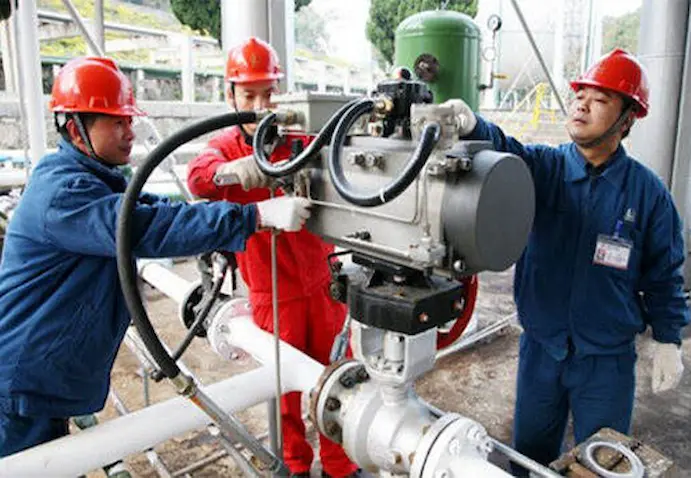
Routine checks of the actuator and valve system are vital for detecting early signs of misalignment. A scheduled maintenance program can identify misalignment before it leads to system failure.
Conclusion
Misaligned valve actuators in pneumatic valves can cause serious operational problems, including increased wear, reduced control accuracy, and higher energy consumption. Preventing misalignment through proper installation, regular maintenance, and the use of high-quality components is essential for ensuring the smooth operation of pneumatic systems.
At Vcore Valve, we provide precision-engineered pneumatic valves and actuators designed to reduce misalignment risks and improve system performance. Our solutions help you maintain operational efficiency, reduce downtime, and achieve greater energy savings.
FAQs
What causes misalignment in valve actuators?
Common causes include wrong mounting bracket, incorrect coupling, stem offset, loose bolts, uneven bracket tightening, worn stem adapter, poor ISO 5211 interface match, piping stress, and incorrect travel stop adjustment.
How does actuator misalignment affect valve performance?
It can create side load, high operating torque, incomplete travel, erratic movement, seat leakage, stem wear, actuator seal wear, and inaccurate open/closed feedback.
How can I prevent misalignment in pneumatic valve actuators?
Proper installation, regular maintenance checks, and using high-quality components can prevent misalignment and ensure smoother operation.
Does ISO 5211 guarantee correct actuator alignment?
No. ISO 5211 helps define the part-turn actuator attachment interface, but correct alignment still depends on bracket design, coupling fit, stem condition, bolt tightening, actuator sizing, travel stop setting, and functional testing.
Can misalignment be corrected during operation?
Misalignment may be detected during operation through stroke time, position feedback, leakage, high air consumption, or abnormal noise, but correction usually requires safe isolation, depressurization, actuator removal or adjustment, and recommissioning.
How often should pneumatic valve actuators be maintained?
Inspection frequency should follow manufacturer recommendations, valve criticality, cycle frequency, service severity, air quality, operating history, and plant maintenance procedures. Do not use one fixed interval for all pneumatic valves.
Reference
-
API Valve Standards – American Petroleum Institute
-
Pneumatic Valve Maintenance Guidelines – Valve Engineering
-
Industrial Automation Journal – Pneumatic Actuator Systems