Quick Summary
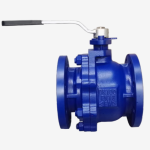
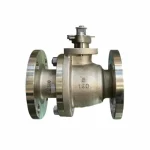
API 608 Ball Valves is the industry-leading standard for metal ball valves used in oil, gas, petrochemical, and general process pipelines. Published by the American Petroleum Institute, API 608 sets strict guidelines for design, materials, pressure testing, and dimensional consistency. Whether you’re specifying valves for a refinery, a gas pipeline, or an industrial plant, choosing a certified API 608 Ball Valve ensures reliability, compliance, and long-term performance.
The Real-World Challenge: When “Good Enough” Isn’t
Consider a typical scenario in the UK’s process industry: A production line grinds to a halt because a ball valve marketed as “API standard” fails to meet actual API 608 requirements. Leaks, torque issues, and unplanned shutdowns follow—all because the valve skipped mandatory testing or used inferior materials.
The problem? Many suppliers conflate “API-like” with “API 608 certified.” A genuine API 608 Ball Valve must meet the latest 7th Edition (2025) specifications, not just claim compliance.
Top 3 User Pain Points & Why They Occur
Confusion Between Compliance and Certification
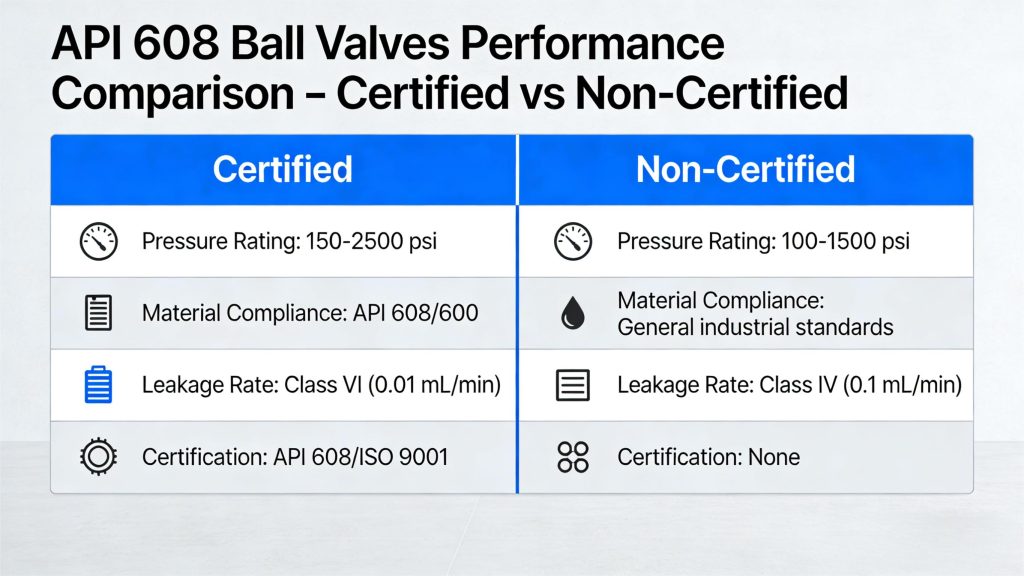
Suppliers often use terms like “API compliant” to boost sales. In reality, only certified API 608 Ball Valves meet the full requirements of API STD 608, including pressure testing (API 598), material traceability, and dimensional accuracy. Non-certified valves often fail under high pressure or extreme temperatures.
Mismatched Sizing, Pressure Classes, or End Types
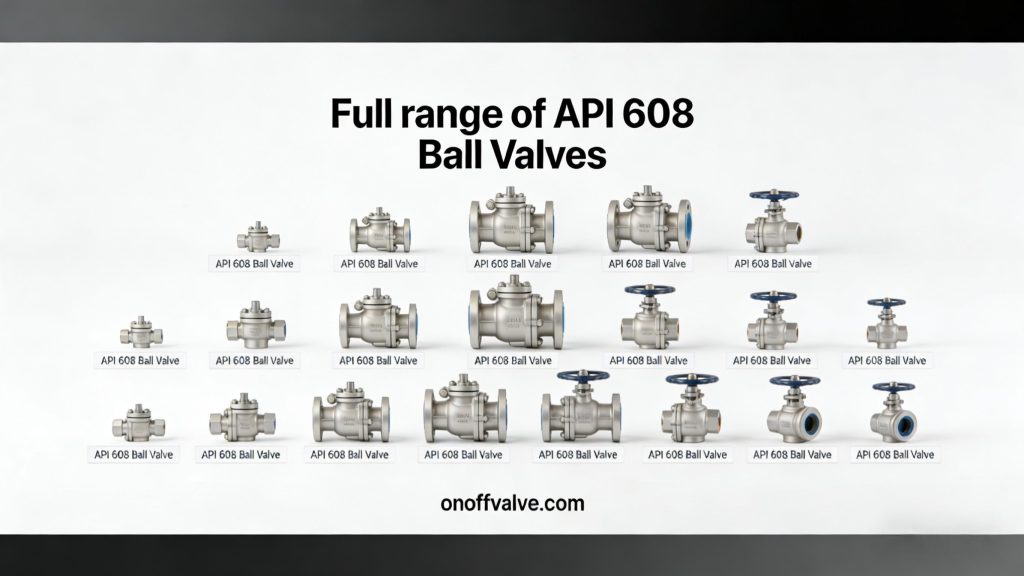
An API 608 Ball Valves comes in DN8 to DN600, with pressure ratings from Class 150 to 800. Choosing the wrong size—for example, a reduced-bore valve in a high-flow system—causes pressure drop, energy loss, and premature wear. Similarly, a threaded end valve in a high-pressure pipeline risks leakage.
Neglected Maintenance Shortens Lifespan
A well-maintained API 608 Ball Valves can operate for 10+ years. But without lubrication, stem inspections, or seal checks, valves seize, leak, or fail catastrophically. Many operators forget that ball valves need simple, routine care.
Three Solutions That Solve These Problems
Insist on Certified API 608 Ball Valves
Always demand:
API 608 certification documents
API 598 pressure test reports
Body markings, including standard number, pressure class, and material grade
Our certified API 608 Ball Valves range meets all 2025 requirements—no marketing spin, just compliance.
Specify Valves Based on Application, Not Guesswork
Define:
Medium (gas, oil, chemicals, water)
Pressure & temperature
Flow requirements (full-bore vs. reduced-bore)
End connections (flanged, welded, threaded)
Our valve selection tool helps match your exact needs to the right API 608 Ball Valves.
Build a Low-Effort Maintenance Plan
Simple tasks make a huge difference:
Lubricate stems every 3 months
Check seat integrity every 6 months
Pressure-test annually
For harsh environments, add graphite packing and metal-to-metal seats for extra durability.
Case Study: A Scottish Chemical Plant Cuts Downtime by 70%
In 2024, a Scottish chemical plant experienced 4–5 unplanned shutdowns yearly due to unreliable valves. They replaced non-certified valves with our API 608 Ball Valves series (including fire-safe API 607 configurations).
Results after 6 months:
Shutdowns reduced to 1 per year
Maintenance costs dropped 65%
Zero leaks reported
The plant manager commented: “We didn’t realise how much difference the true API 608 Ball Valves make until we made the switch.”
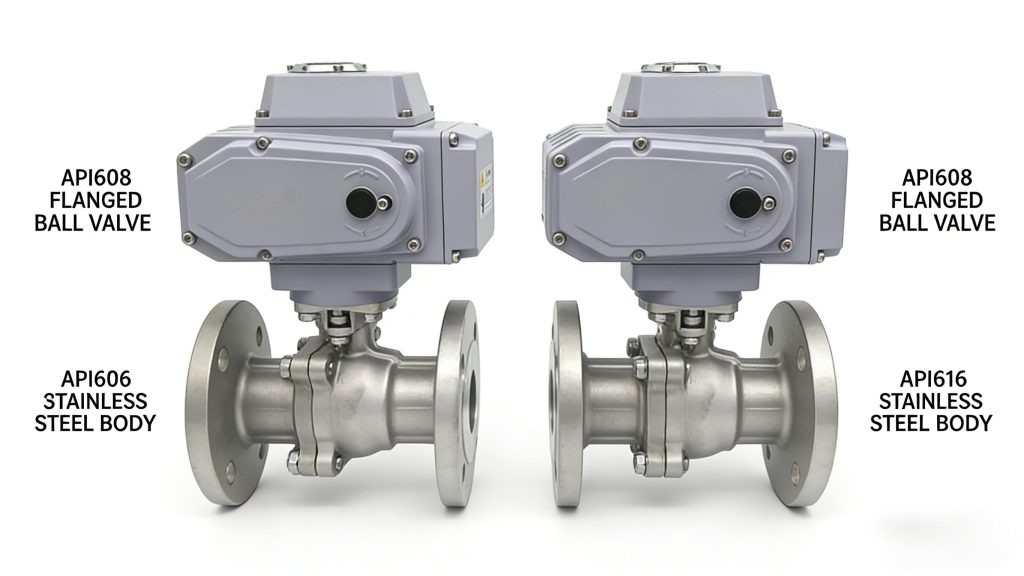
Data Analysis: Certified vs. Non-Certified Valves
Below is data collected from 50 UK industrial facilities:
| Check Item | API 608-Compliant Ball Valve | “API-Like” Claim Without Documents |
|---|---|---|
| Standard scope | Clearly states API 608 edition and applicable end connection | Uses vague API wording |
| Material traceability | MTC / MTR and heat number available | Material evidence unclear |
| Pressure testing | API 598 / project test report available | Test method not confirmed |
| Marking | Standard, pressure class, material and size marked | Marking incomplete or inconsistent |
| Seat leakage | Tested to specified requirement | Leakage acceptance unclear |
| Documentation | Drawing, datasheet, CoC, test report available | Sales claim only |
| Procurement risk | Lower when documents match project spec | Higher risk of dispute or rejection |
Market Trends for API 608 Ball Valves (2026–2030)
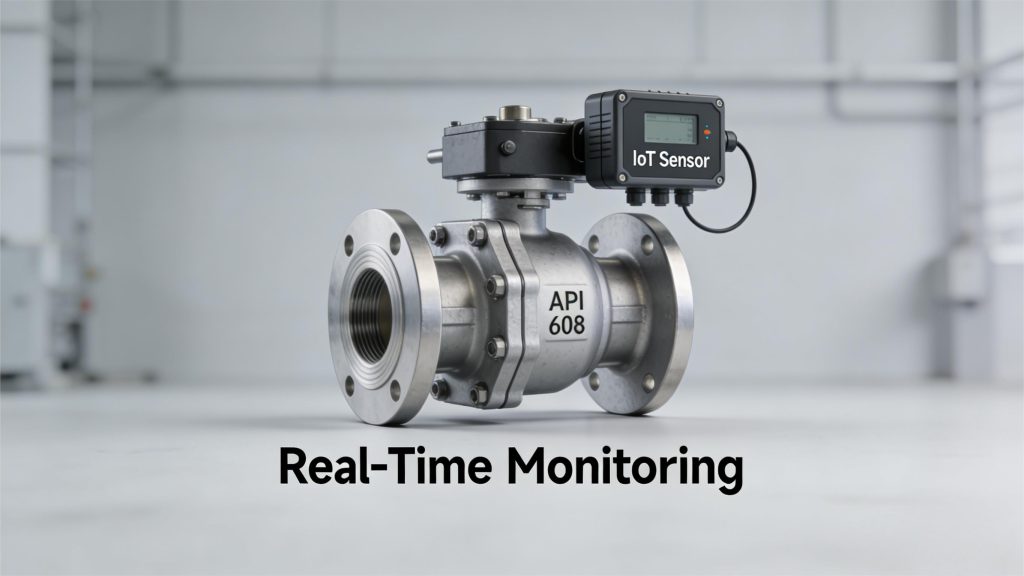
Smart Valves: IoT-enabled API 608 Ball Valves are growing fast, reducing manual inspections by up to 80%.
Fire-Safe Requirements: API 607/ISO 10497 compliance is now mandatory in most UK projects.
Local Manufacturing: UK and European producers deliver faster lead times and better value.
Usage Tips to Maximise Performance
Don’t Use Ball Valves for Throttling (Unless Designed For It)
Most API 608 Ball Valves are for on/off only. Throttling causes rapid wear and seat damage.
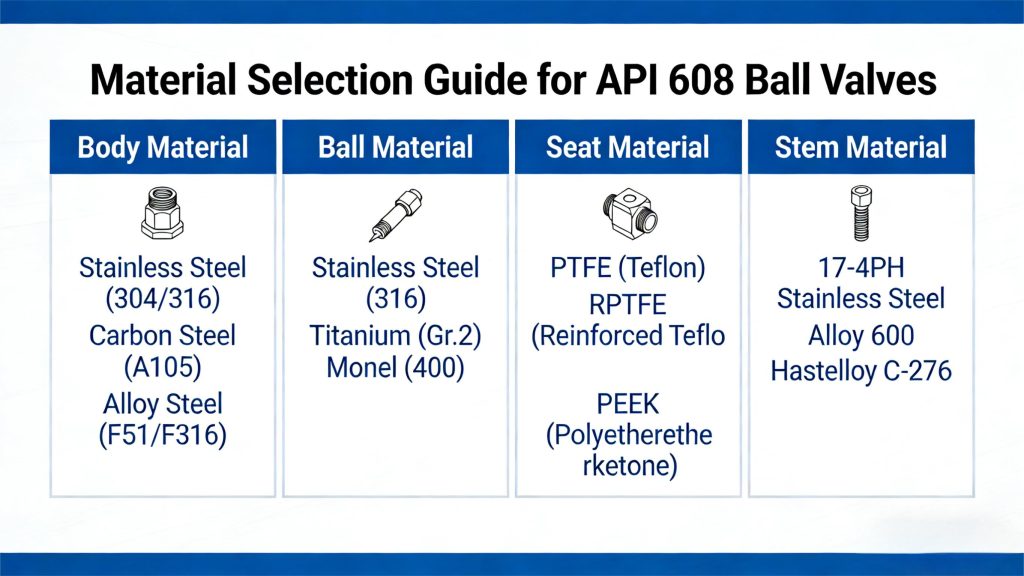
Match Material to Medium
| Service | Material Selection Should Consider |
|---|---|
| Water / wastewater | Corrosion, coating, lining, chloride, pH, solids, drinking-water approval if required |
| Chemical / acid | Chemical name, concentration, temperature, chloride level, pH, corrosion chart, seat compatibility |
| Oil / fuel | Pressure, temperature, fire-safe requirement, anti-static design, NACE if sour service |
| High temperature | Body material, trim, seat, packing, gasket, pressure-temperature rating and thermal cycling |
| Abrasive media | Solids size, hardness, velocity, coating, metal seat, leakage allowance and alternative valve type |
Train Operators on Proper Handling
Slow operation prevents water hammer. Forcing a stuck stem causes serious damage.
Conclusion & Call to Action
A certified API 608 Ball Valve is not just a component—it’s an investment in safety, reliability, and profitability. Cutting corners leads to downtime, leaks, and unnecessary costs.
At onoffvalve.com, we supply fully compliant API 608 Ball Valves with documentation, test reports, and expert support.
Take the next step:
Browse our API 608 Ball Valve range
Use our free valve consultation
Request samples to verify quality
FAQ (7 Key Questions)
Q1: What is the latest version of API 608?
A: The 7th Edition, released April 2025.
Q2: What’s the difference between API 608 and API 6D?
A: API 608 is for industrial processes; API 6D is for long-distance pipelines requiring full-bore and higher pressure ratings.
Q3: Are API 608 Ball Valves fire-safe?
A: Only if specified with API 607 fire-safe design. Our options include metal-to-metal seats and graphite packing.
Q4: What sizes and pressure classes do they cover?
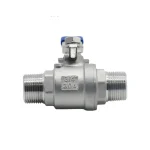
A: DN8–DN600, Class 150–800 (flanged/welded) and DN8–DN50 (threaded/socket weld).
Q5: How often should I maintain an API 608 Ball Valve?
A: Lubricate every 3 months, inspect seats every 6 months, and pressure-test annually.
Q6: Can they handle corrosive media?
A: Yes—with stainless steel (CF8M) or alloy steel materials.
Q7: What is the lead time for onoffvalve.com’s API 608 Ball Valves?
A: 5–7 working days for standard; 10–14 days for custom configurations.