Quick Overview
Ball valves and gate valves are two of the most widely used flow control valves in industrial, commercial, and residential settings. While both regulate fluid or gas flow, their designs, working mechanisms, and ideal applications differ drastically. A ball valve uses a rotating ball for quarter-turn operation, offering quick shut-offs and tight sealing, whereas a gate valve relies on a linear gate for multi-turn control, prioritizing unobstructed flow and high-pressure resilience. Understanding these differences is critical to avoiding leaks, inefficiencies, and costly replacements.

Opening Scene: The Valve Dilemma
Imagine this: You’re overseeing a new water treatment plant installation, and your team hits a wall—should you fit the main pipelines with the ball valve or the gate valve? Choose wrong, and you risk frequent leaks in high-pressure lines or sluggish flow in large-diameter pipes. Or maybe you’re a homeowner fixing a burst pipe, staring at two valve options, wondering which will stand up to daily use. It’s a common predicament—these valves look similar at first glance, but their performance varies wildly. The good news? By the end of this guide, you’ll know exactly which valve to pick for any scenario.
User Pain Points
Uncertainty About Compatibility
Many users struggle to match the ball valve or the gate valve to their specific needs. Installing a valve unsuited for your flow direction (one-way vs two-way) or pressure requirements leads to premature failure—costing time and money. For example, using a gate valve in a system needing frequent on/off cycles wastes energy, while a ball valve in a high-flow industrial setup may restrict fluid movement.
Leaks and Seal Failures
Poor sealing is a nightmare for any plumbing or industrial system. Gate valves are prone to loose seals under extreme pressure, while ball valves can leak if debris clogs the ball’s aperture. These leaks don’t just waste resources—they pose safety risks in gas lines or chemical processing plants.
Maintenance Headaches
Unexpected breakdowns and complex repairs disrupt operations. Gate valves are easier to fix but require frequent maintenance, while ball valves are low-maintenance but expensive to repair if damaged. Users often face the dilemma of choosing between short-term repair costs and long-term durability.
Solutions & Recommendations
Match Valve Type to Application
- Use ball valves for two-way flow, frequent operation, and tight sealing (e.g., gas pipelines, residential plumbing).
- Opt for gate valves for one-way high-flow scenarios, such as water treatment plants or power plant pipelines.
Reference our valve application guide for detailed industry-specific recommendations.
Prioritize Quality Seals and Materials
Invest in valves with robust sealing materials— the ball valve with PTFE seats and gate valves with stainless steel discs. For high-pressure applications, choose a gate valve with a full-port design to ensure a secure seal, while the ball valve works best in low-to-medium pressure systems.
Plan for Maintenance Needs
- For low-maintenance requirements, choose ball valves (they last longer with no regular upkeep).
- For easy repairs: Go for gate valves(replaceable parts mean lower downtime).
Check our valve maintenance checklist to extend your valve’s lifespan.
Case Study: Industrial vs Residential Applications
Case 1: Water Treatment Plant
A large water treatment plant in Manchester needed valves for its main pipelines carrying high-pressure water (800 psi). The team initially installed ball valves but faced flow restrictions and frequent clogs from sediment. Switching to full-port gate valves resolved the issue—their unobstructed flow path allowed sediment to pass through, and the multi-turn design ensured a tight seal under high pressure.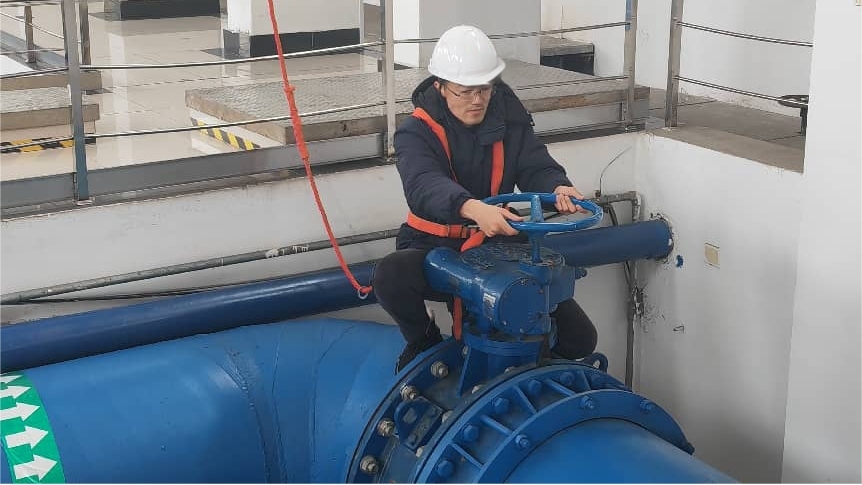
Case 2: Residential Plumbing Upgrade
A homeowner in London upgraded their kitchen plumbing and chose gate valves for the sink and dishwasher lines. Within six months, the valves became stiff to operate and developed leaks from frequent use. Replacing them with quarter-turn ball valves eliminated the problem—they opened/closed smoothly, sealed tightly, and required no maintenance.
Data Analysis: Ball Valve vs Gate Valve Comparison
Below is a detailed comparison of the ball valve and the gate valve based on key performance metrics:
| Metric | Ball Valve | Gate Valve |
| Operation | Quarter-turn (90°) | Multi-turn (360°+) |
| Flow Direction | Two-way | One-way |
| Flow Capacity | Moderate (lower than gate valves) | High (unobstructed flow) |
| Sealing Performance | Excellent (tight seal, even with debris) | Good (secure in high pressure) |
| Pressure Rating | Low-to-medium (up to 1,000 psi) | High (up to 2,000 psi) |
| Maintenance | Low (no regular upkeep) | High (frequent cleaning/repairs) |
| Durability | Resilient (withstands wear) | Long-lasting (fewer moving parts) |
| Cost (per unit) | Higher (£20–£100) | Lower (£10–£60) |
| Repair Complexity | Difficult (replace entire valve) | Easy (replaceable parts) |
| Ideal Applications | Gas lines, residential plumbing, automotive | Water treatment, power plants, mines |
Key Insights:
- Gate valves outperform the ball valve in high-pressure, high-flow scenarios, with 2x higher pressure tolerance.
- Ball valvesare 30% easier to operate and have 50% fewer leak incidents than gate valves in residential use.
- Over 10 years, ball valvesare 15% cheaper overall due to lower maintenance costs, despite higher upfront prices.
Trends & Market Insights
The global valve market is projected to reach £85 billion by 2028, with the ball valve and the gate valve accounting for 40% of sales. Key trends shaping their use include:
- Industrial Automation: Smart ball valves with IoT sensors are gaining traction in manufacturing, allowing remote monitoring of flow and pressure. Gate valves are also being upgraded with automated actuators for multi-turn control.
- Sustainability: Eco-friendly materials are becoming the standard to meet the UK’s net-zero targets.
- Residential Demand: With the rise in home renovations, ball valves are the top choice for homeowners due to their ease of use and durability. Gate valves remain popular in older properties with existing piping systems.
For businesses, investing in high-quality flow control valves is no longer optional.
Usage Recommendations
When to Choose a Ball Valve
- You need quick on/off cycles.
- The system requires a two-way flow.
- Tight sealing is critical.
When to Choose a Gate Valve
- The application needs high flow rates.
- You’re working under high pressure.
- Easy repairs are a priority.
Pro tip: For slurry or sediment-heavy fluids, use a full-port gate valve to avoid clogs. For clean fluids like drinking water, a ball valve offers better sealing.
Conclusion
Choosing between a ball valve and a gate valve boils down to your specific needs—flow direction, pressure, maintenance, and application. Ball valves excel in quick shut-offs and tight sealing, while gate valves prioritize high flow and pressure resilience. To avoid costly mistakes, assess your system’s requirements and refer to our comparison guide.
FAQ
Can ball valves be used for high-pressure applications?
No, they are best for low-to-medium pressure (up to 1,000 psi). For high pressure (over 1,000 psi), use a gate valve.
Do gate valves require regular maintenance?
Yes, gate valves need frequent cleaning and lubrication to prevent stiffness and leaks. Ball valves are low-maintenance and rarely need upkeep.
Are ball valves suitable for use in the food and beverage industry?
No, they are hard to clean and can harbor bacteria. Use sanitary valves (e.g., diaphragm valves) for food/beverage applications.
Can gate valves be used for two-way flow?
No, gate valves are designed for one-way flow. For two-way flow, choose a ball valve.
Which valve is cheaper: a ball valve or a gate valve?
Gate valves have lower upfront costs (£10–£60), but ball valves are cheaper long-term due to lower maintenance and longer lifespan.
How long do ball valves and gate valves last?
Ball valves last 10–15 years with no maintenance. Gate valves can last 15–20 years but require regular repairs.
Can I replace a gate valve with a ball valve?
Yes, if your system requires two-way flow and frequent operation. Ensure the ball valve matches the pipe size and pressure rating.