Valve Comparisons

Valve Comparisons

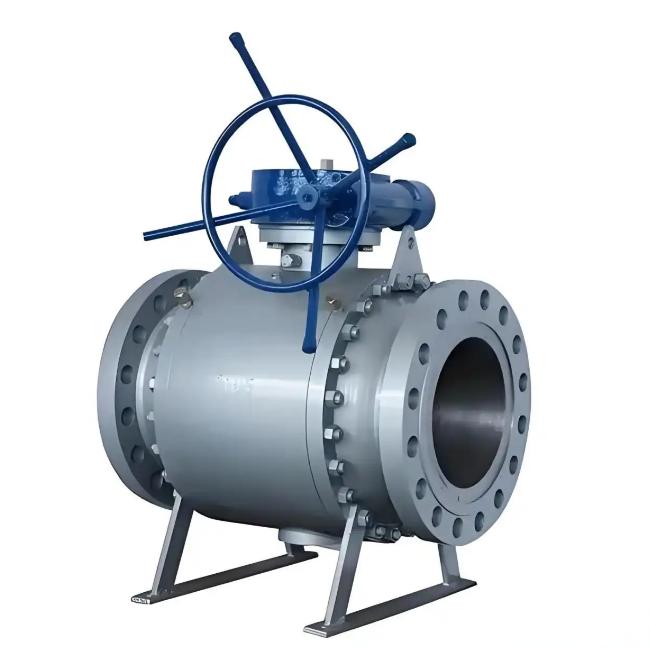
Sanitary-valve-for-food-processing-application

Sanitary vs Industrial Valves: Key Differences and Applications

Compare sanitary and industrial valves by hygienic design, surface finish, materials, cleaning requirements, pressure capability, and application. Sanitary valves are designed for contamination-sensitive food, beverage, pharmaceutical, and biotechnology systems, while industrial valves prioritize durability, pressure resistance, and reliable operation in oil and gas, chemical processing, power generation, and water treatment.

Read More »
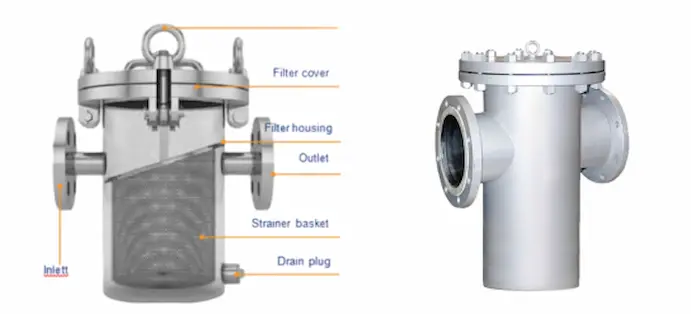
Basket-strainer-with-large-filtration-capacity.

Y Strainer vs Basket Strainer: Which One to Choose?

Compare Y strainers and basket strainers by installation space, filtration area, debris capacity, pressure drop, cleaning frequency, and application. Y strainers are compact and suitable for smaller pipelines or space-limited systems, while basket strainers provide greater dirt-holding capacity for high-flow pipelines and fluids containing more debris.
Read More »
Materials that help prevent valve corrosion and extend lifespan.

AWWA C509 vs. GB/T 24924: Key Standards for Water Supply Gate Valves

Compare AWWA C509 and GB/T 24924 for resilient-seated water supply gate valves by standard scope, unit system, size range, pressure rating, structural requirements, testing rules, inspection documentation, and project acceptance. The guide helps engineers and buyers understand when each standard applies and how to specify compliant gate valves for municipal water, treatment plant, and cross-border water infrastructure projects.

Read More »
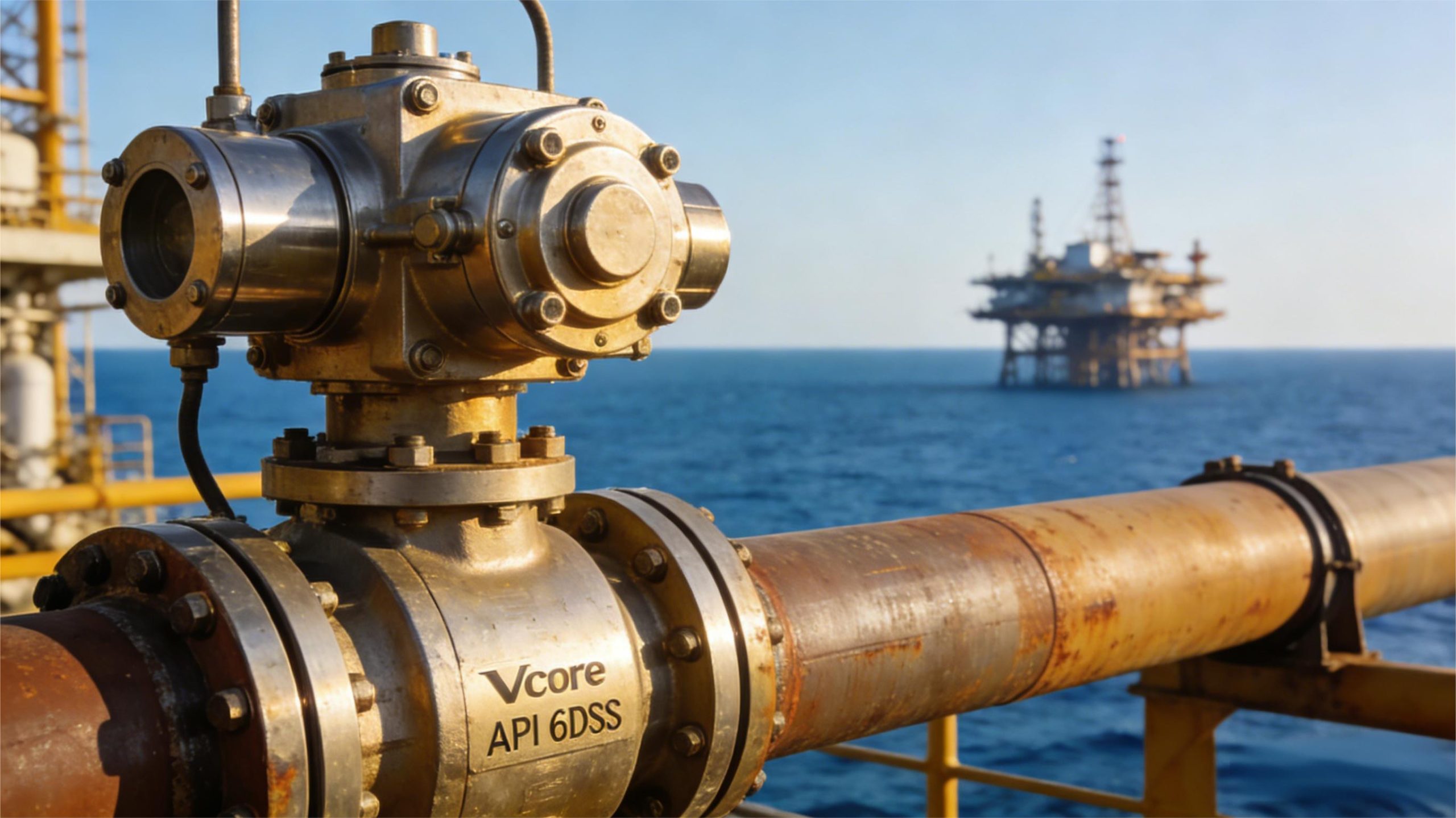
Vcore API 6DSS Subsea Valves installed on a Middle East offshore pipeline

API 6DSS Subsea Valves vs API 6D: What’s the Critical Difference?

Compare API 6DSS and API 6D valves by operating environment, materials, corrosion protection, testing, isolation design, and actuation requirements. API 6D applies mainly to surface and onshore pipeline valves, while API 6DSS adds specialized requirements such as hyperbaric testing, subsea corrosion resistance, and ROV-compatible operation for offshore and underwater oil and gas systems.

Read More »
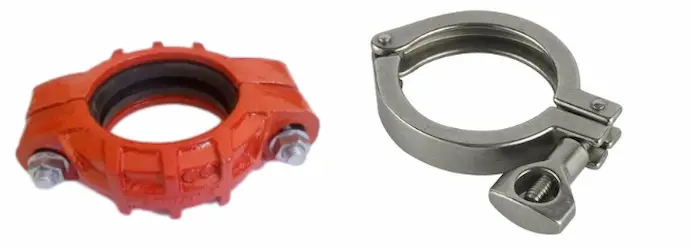
clamp-connection-vs-grooved-connection-comparison-diagram

Clamp Connection vs Grooved Connection: Differences, Applications and Selection Guide

Compare clamp connections and grooved connections for industrial piping and valve systems. This guide explains how sanitary clamp or tri-clamp connections are used in hygienic food, beverage, pharmaceutical, biotech, and clean-process systems, while grooved pipe couplings are commonly used in HVAC, fire protection, industrial water, utility, and larger steel piping systems. Learn the differences in hygiene performance, pipe size range, pressure capability, gasket selection, installation speed, maintenance access, mechanical restraint, standards, and key selection factors.

Read More »
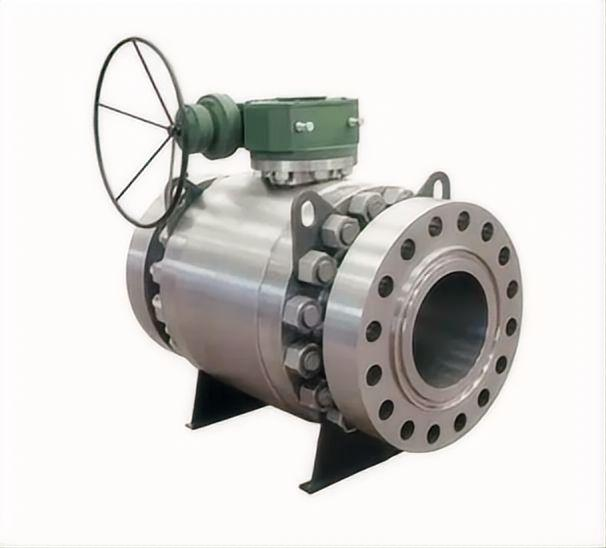
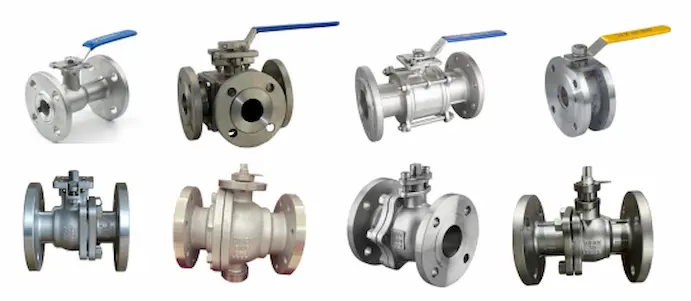
BS 5351 Ball Valves

BS 5351 Ball Valves vs API 608: What’s the Difference?

Compare BS 5351 and API 608 ball valves by design requirements, pressure ratings, material standards, end connections, testing criteria, and regional acceptance. The correct standard should be selected according to the project specification, operating conditions, applicable piping codes, and customer compliance requirements.

Read More »
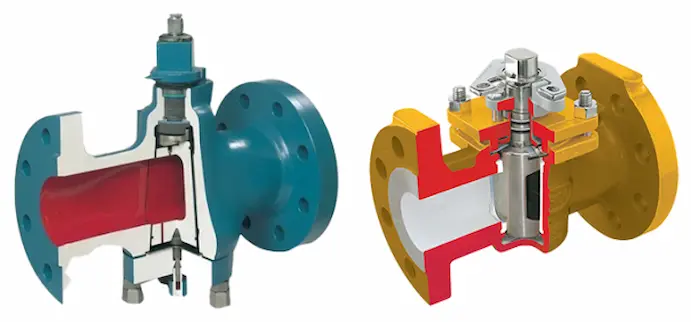
"Comparison of non-lubricated and lubricated plug valves, showcasing key differences"

Non-Lubricated Plug Valve vs Lubricated Plug Valve: Which is Best for Your Application?

Compare non-lubricated and lubricated plug valves by sealing design, operating torque, pressure and temperature capability, maintenance, contamination risk, and application. Non-lubricated plug valves suit cleaner, low- to medium-pressure services where lubricant contamination is undesirable, while lubricated plug valves provide smoother operation and stronger sealing for demanding high-pressure and high-temperature industrial systems.

Read More »
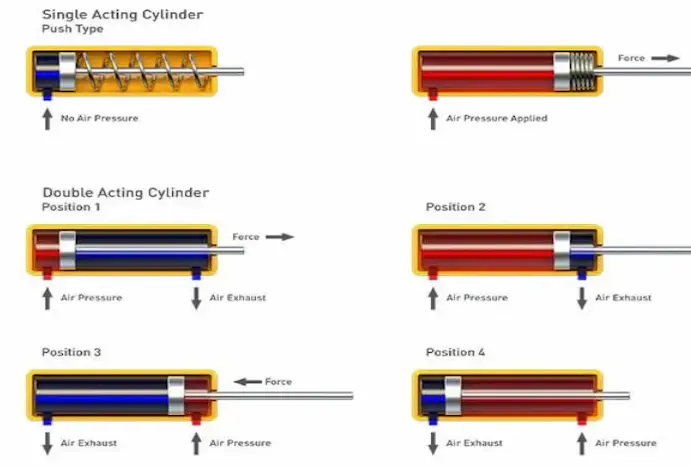
Single-Acting-and-Double-Acting-Actuators.

Difference Between Single-Acting and Double-Acting Actuators

Compare single-acting and double-acting actuators by operating principle, fail-safe function, air consumption, torque output, control capability, maintenance, and application. Single-acting actuators use spring return for automatic fail-open or fail-close operation, while double-acting actuators use air or power in both directions to provide higher torque and more consistent control for demanding valve automation systems.

Read More »
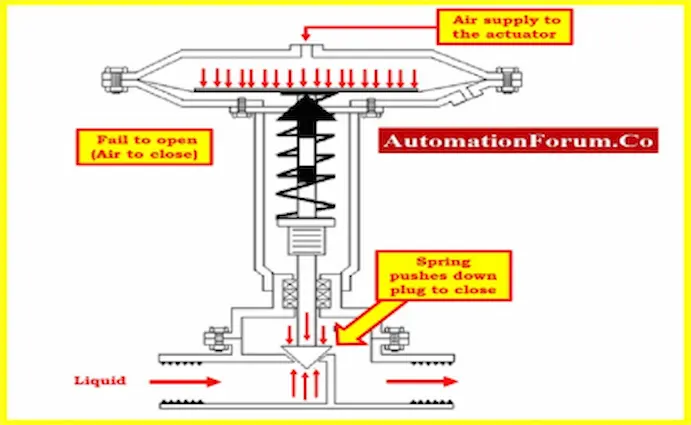
Fail-Close Valve Operation: How a fail-close valve automatically shuts during system failure.

What Is the Difference Between a Fail-Close and Fail-Open Valve?

Compare fail-closed and fail-open valves by their response to loss of power, air supply, or control signal. The guide explains how fail-closed configurations stop potentially hazardous flow, while fail-open configurations maintain essential cooling, venting, or circulation, and outlines the safety, actuator, differential-pressure, and process requirements that determine the correct failure position.

Read More »