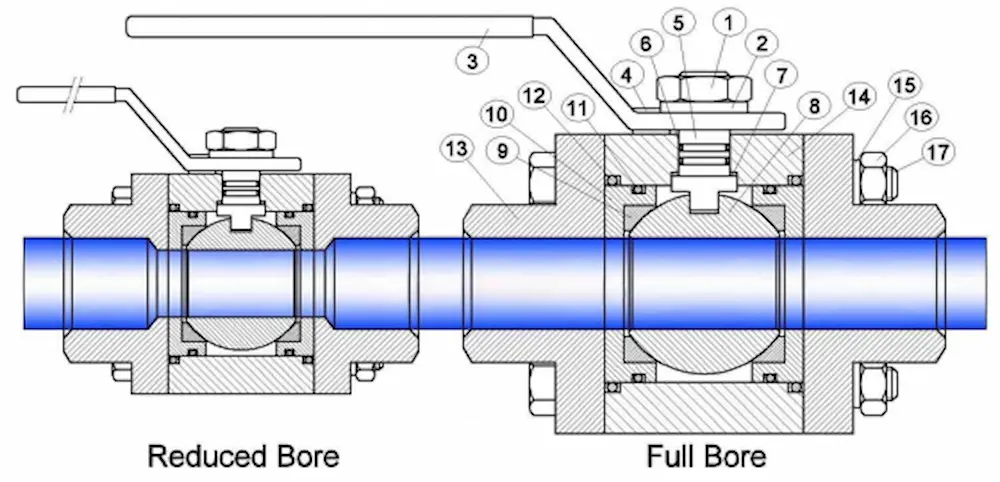
Full Port vs Reduced Port Ball Valve: What Is the Difference?
Compare full port and reduced port ball valves by bore size, flow capacity, pressure drop, cost, valve size, applications, and industrial selection requirements.

Compare full port and reduced port ball valves by bore size, flow capacity, pressure drop, cost, valve size, applications, and industrial selection requirements.

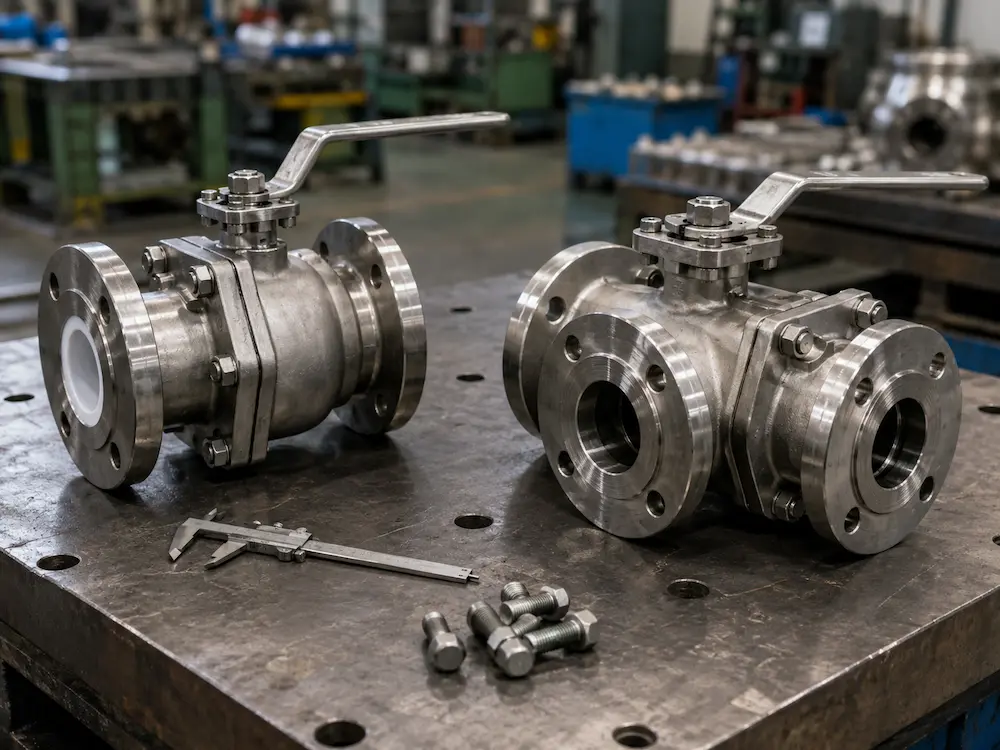
Compare 2-way vs 3-way ball valves by structure, flow path, L-port and T-port design, shutoff function, flow routing, automation, applications, and selection requirements.

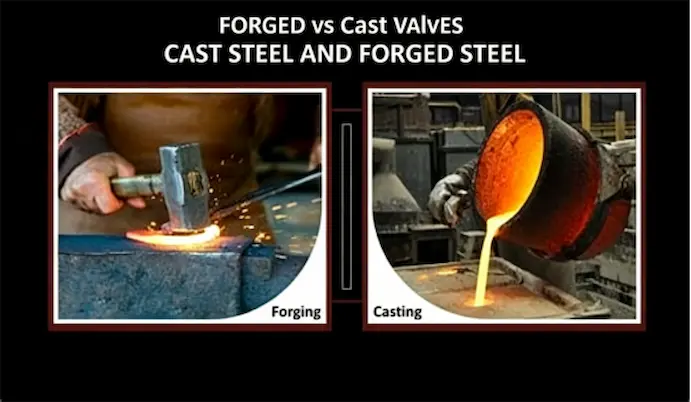
Learn the key differences between forged valves and cast valves, including strength, pressure performance, cost, size range, material integrity, and industrial application suitability.

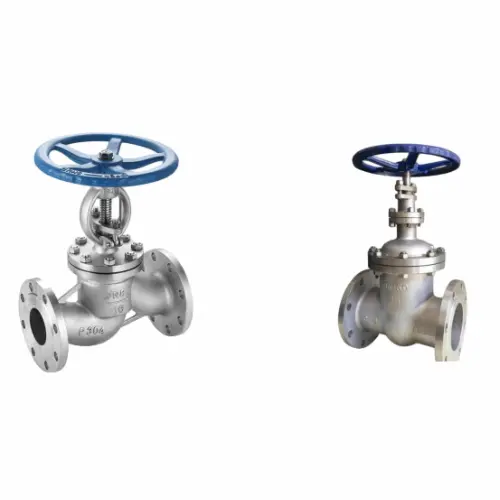
Introduction Understanding the difference between gate valve and globe valve

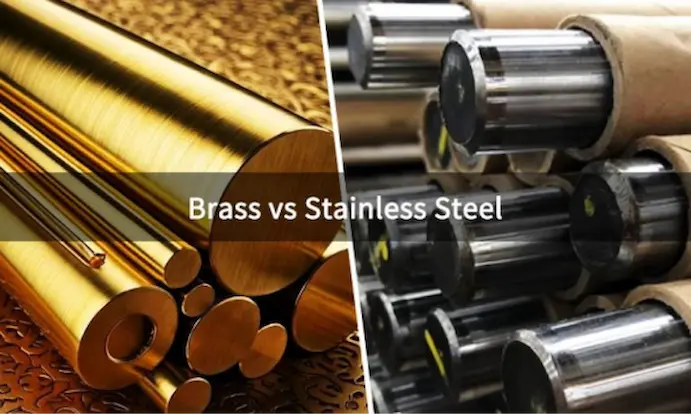
Quick Overview When selecting materials for valves, brass vs stainless

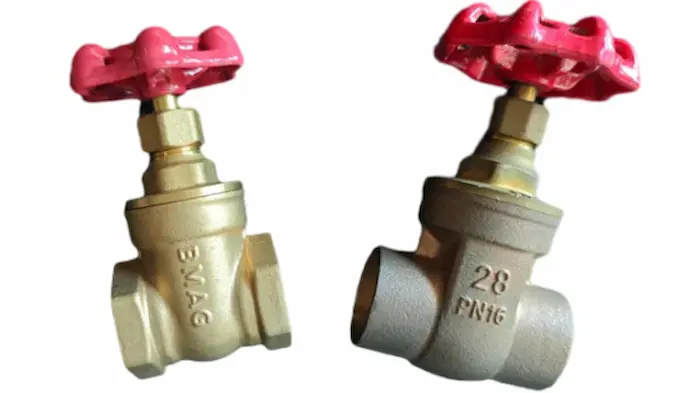
Compare brass and bronze valves by material composition, corrosion resistance, strength, cost, and typical applications. Brass valves are commonly selected for general water, air, and HVAC systems, while bronze valves offer better durability in seawater, marine, and more corrosive operating environments.

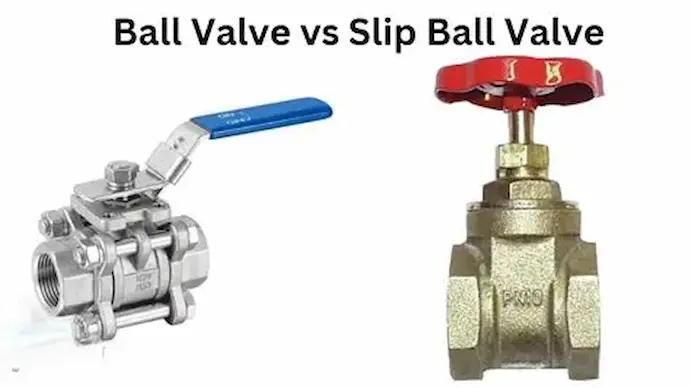
Compare slip ball valves and conventional ball valves by flow-control method, sealing performance, pressure capability, maintenance, and application. Slip ball valves are designed for adjustable flow regulation, while standard ball valves provide reliable full-open or full-closed isolation for water, gas, oil, and industrial pipelines.

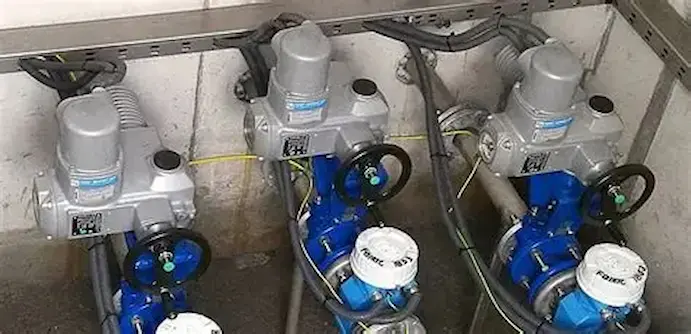
Compare on/off valves and modulating valves by control method, precision, actuator requirements, energy efficiency, cost, and application. On/off valves are suitable for simple fully open or fully closed isolation, while modulating valves provide continuous and precise flow regulation for HVAC, steam, chemical processing, temperature control, and automated process systems.

Compare tapping valves and gate valves by function, installation method, sealing requirements, maintenance, and application. Tapping valves are designed for adding branches or connection points to live pipelines without interrupting service, while gate valves are primarily used for full-flow isolation and shutoff in water, oil, gas, and industrial piping systems.

Compare vacuum ball valves and regular ball valves by sealing design, pressure conditions, leakage control, cost, and application. Vacuum ball valves provide tighter sealing for vacuum, laboratory, pharmaceutical, and packaging systems, while regular ball valves are generally more economical for pressurized water, oil, gas, and industrial pipelines.
Vcore Valve provides industrial flow control solutions for chemical processing, oil & gas, water treatment, power generation, and high-pressure pipeline applications. We supply reliable ball valves, butterfly valves, gate valves, globe valves, check valves, control valves, and customized valve solutions for demanding industrial projects.
Production
QC
Testing
Materials
Stay up to date with our latest valve products, technical resources, and project solutions.