Quick Overview
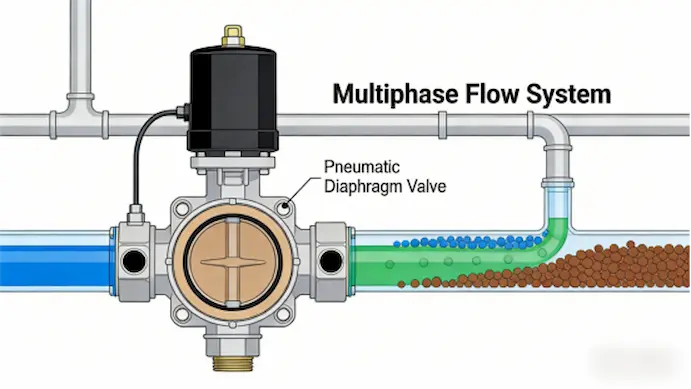
Selecting the right valves for multiphase flow is crucial for efficient and reliable system performance. Multiphase flow involves the simultaneous transportation of multiple phases (liquids, gases, or solids), which can present significant challenges. This article explores the key factors to consider when choosing valves for multiphase flow systems, highlighting the most suitable valve types and applications for enhanced performance.
Opening Scenario
Imagine an oil and gas operation where different phases (oil, water, and gas) are transported simultaneously through pipelines. Managing the flow of these different phases requires valves that can adapt to changing conditions, ensuring optimal flow control and system efficiency. Inappropriate valve selection can result in issues like pressure surges, material corrosion, and unreliable operation. So, what do you need to know before choosing valves for multiphase flow?
Pain Points
The complexity of multiphase flow systems often leads to several challenges in valve selection and operation:
1. Flow Instability
Multiphase flow is inherently unstable due to varying fluid properties, which can cause turbulence and unpredictable changes in flow rates. Selecting the wrong valve can worsen flow instability, leading to erratic pressure and flow conditions.
2. Erosion and Corrosion
Different phases within multiphase flow can cause increased wear and tear on valves, especially if the flow contains abrasive solids or corrosive materials. Improper valve materials or coatings can accelerate erosion and corrosion, reducing the valve’s lifespan.
3. Inadequate Flow Control
Multiphase flow requires precise regulation to prevent overpressurization or flow inconsistencies. Using traditional control valves may not be sufficient, leading to poor performance, system shutdowns, and costly maintenance.
Solutions
To ensure optimal performance in multiphase flow systems, selecting the right valves and applying best practices is essential. Here are three key solutions:
1. Use of Specialized Multiphase Flow Valves
The ideal solution for managing multiphase flow is to use specialized valves designed to handle the unique challenges of this complex flow. For instance, Why Are Power Plant Valves So Expensive discusses the high performance and cost of valves designed for demanding applications like multiphase flow.
2. Material Selection for Durability
Choosing the right materials for valves in multiphase flow systems is critical to ensuring longevity. High-performance alloys or coated valves that resist corrosion and wear should be used, especially when dealing with abrasive or corrosive fluids. Materials such as stainless steel, carbide, and special coatings can greatly extend the valve’s service life.
3. Integration with Flow Control Systems
For better flow regulation, integrate valves with automated flow control systems. This allows for continuous adjustment based on real-time flow conditions. Automated systems can maintain optimal valve positioning, improving both stability and efficiency in multiphase flow applications.
Backflow Preventers and Their Role in Water Systems also highlights the importance of controlling the direction of flow to avoid contamination in multi-phase fluid systems.
Case Study
A gas-to-liquid conversion plant struggled with frequent valve failure and inconsistent flow in its multiphase pipelines. After replacing the existing control valves with specialized pneumatic diaphragm valves and upgrading to high-performance materials, the plant saw a 30% improvement in flow stability and a significant reduction in maintenance costs. This upgrade resulted in fewer shutdowns and more reliable system performance.
Data Analysis
| Valve Type | Advantages | Disadvantages | Best Use Case |
|---|---|---|---|
| Pneumatic Diaphragm Valve | Precise flow control, durable, adjustable | Can be complex to install and maintain | Multiphase flow with varying pressures |
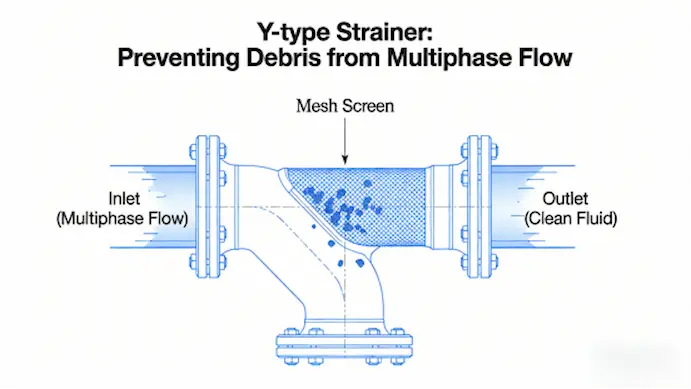
| Y-Type Strainer | Removes solids, protects valves | May require regular cleaning | Filtration in fluid flow with solids present |
| Ball Valve | Reliable, simple design | May struggle with abrasive materials | Simple shutoff or isolation in multiphase systems |
This table summarises the key types of valves used in multiphase flow systems and their respective advantages, disadvantages, and best use cases.
Trends
1. Smart Valve Technologies
The adoption of smart valve technologies is transforming multiphase flow systems. Real-time monitoring and automated adjustments ensure valves are always in the correct position, improving efficiency and reducing manual oversight. This trend is particularly beneficial in remote or hazardous environments.
2. Enhanced Materials and Coatings
With the growing need for durability, more advanced materials and coatings are being developed to resist corrosion, erosion, and abrasion. These innovations in valve materials will continue to improve the lifespan and reliability of valves in multiphase systems.
3. Predictive Maintenance Systems
Predictive maintenance is becoming increasingly important for ensuring the longevity of multiphase flow valves. By integrating predictive analytics with automated valve systems, operators can detect potential issues before they cause failures, leading to less downtime and reduced maintenance costs.
Usage Advice
When selecting valves for multiphase flow, consider the following factors:
1. Understand the Flow Characteristics
Different phases—liquid, gas, or solids—behave differently under varying conditions. It is essential to understand the properties of each phase in your system to choose the most suitable valve type and material.
2. Implement Regular Maintenance
Regular maintenance and inspection of valves are crucial to prevent failure. Ensure that valves are properly cleaned, calibrated, and checked for wear, especially when dealing with corrosive or abrasive materials.
3. Opt for Automated Solutions
Where possible, integrate valves with automated control systems to continuously adjust the valve position based on real-time data. This will help maintain optimal flow regulation and minimize energy consumption.
Conclusion
Choosing the right valves for multiphase flow systems is critical to maintaining flow stability, improving system efficiency, and reducing maintenance costs. By understanding the specific needs of multiphase flow and selecting specialized valves, using the right materials, and integrating advanced flow control technologies, operators can significantly enhance system performance.
At Vcore Valve, we provide high-quality valves for multiphase flow systems designed to meet the demands of challenging industrial environments. Whether you need pneumatic diaphragm valves, Y-type strainers, or automated control solutions, our products are built for reliability and longevity.
FAQs
1. What is multiphase flow?
Multiphase flow is the simultaneous flow of more than one phase (liquid, gas, or solid) in a pipeline or process system, such as oil and gas pipelines that carry both liquid oil and gas together.
2. What types of valves are best for multiphase flow?
Specialized valves such as pneumatic diaphragm valves and Y-type strainers are ideal for managing multiphase flow, as they can handle varying pressures, temperatures, and fluid types.
3. Can multiphase flow damage valves?
Yes, multiphase flow can cause erosion, corrosion, and wear on valves, especially if the flow contains abrasive solids or corrosive fluids. Proper material selection and maintenance are essential to extend the lifespan of the valve.
4. How can I improve flow stability in multiphase systems?
To improve flow stability, use specialized valves, implement flow control systems, and conduct regular maintenance to prevent wear and ensure proper valve operation.
5. What materials are best for valves in multiphase flow systems?
Materials like stainless steel, carbide, and specialized coatings can resist corrosion and abrasion, providing the durability needed for multiphase flow systems.
Reference
-
Multiphase Flow Valve Technology – Valve World Magazine
-
Energy-Efficient Flow Control Solutions – Industrial Automation Journal
-
Valve Material Selection for Challenging Fluids – Flow Control Handbook