Quick Overview
Copper and brass are among the most widely used raw materials in industrial manufacturing, especially in plumbing and valve systems. Understanding their classifications, properties, and differences is essential for selecting the right material for durability, corrosion resistance, and performance. In this guide, Vcore Valve breaks down copper and brass raw materials, explains their key grades, and shows how they are applied in modern valve manufacturing.
Opening Scenario: Why Material Choice Really Matters
Imagine specifying a valve for potable water—only to discover months later that dezincification has compromised the body.
This is not a design failure; it is a material selection mistake. Copper and brass may look similar, but their internal compositions behave very differently under pressure, temperature, and chemical exposure.
User Pain Points
Pain Point 1: Copper and Brass Are Often Confused
Many buyers assume brass is simply “copper with zinc” and treat all grades the same.
Pain Point 2: Hidden Performance Differences
Small changes in alloy composition can dramatically affect corrosion resistance and machinability.
Pain Point 3: Valve Failures Caused by Wrong Materials
Incorrect raw material choice is a common root cause of premature valve leakage or cracking.
Solutions & Recommendations
Solution 1: Understand Material Classifications, Not Just Names
Knowing whether a brass is alpha, alpha-beta, or dezincification-resistant matters.
Solution 2: Match Materials to Application Conditions
Water quality, temperature, pressure, and environment should drive material choice.
Solution 3: Work with Experienced Valve Manufacturers
At Vcore Valve, material selection is reviewed alongside design, not after it.
From James Sword Engineering
Copper Raw Materials: Types and Classifications
Pure Copper (Cu ≥ 99.9%)
Pure copper offers excellent electrical and thermal conductivity but limited mechanical strength.
Common Uses:
-
Electrical components
-
Heat exchangers
-
Rarely used directly for valve bodies
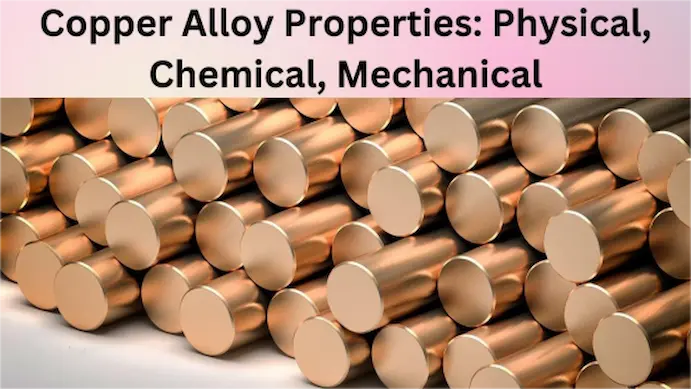
Copper Alloys
Copper alloys improve strength, corrosion resistance, and machinability.
Key Copper Alloy Groups:
-
Bronze (Cu + Sn)
-
Brass (Cu + Zn)
-
Copper-Nickel (Cu + Ni)
In valve manufacturing, pure copper is uncommon, while copper alloys dominate.
Brass Raw Materials: Detailed Classifications
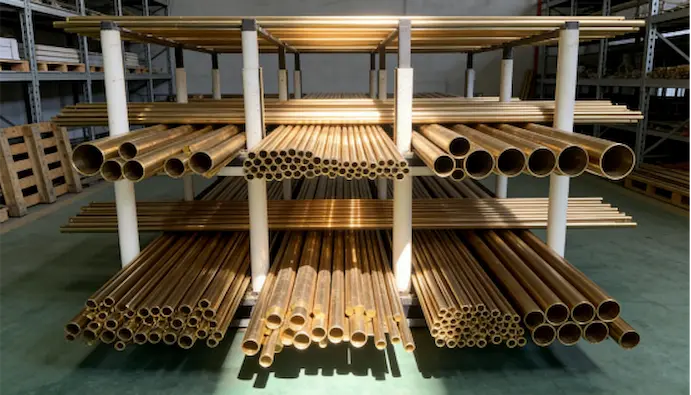
Brass is the most widely used copper alloy in valves.
Alpha Brass (≤ 35% Zinc)
-
Excellent corrosion resistance
-
Good cold workability
-
Common in potable water valves
Alpha-Beta Brass (35–45% Zinc)
-
Higher strength
-
Better machinability
-
Widely used in industrial valves
Dezincification-Resistant Brass (DZR)
-
Specially formulated to prevent zinc leaching
-
Ideal for aggressive water conditions
-
Common standard: CW602N
At Vcore Valve, DZR brass is often recommended for long-life water system valves.
Copper vs Brass: Technical Comparison
| Property | Copper | Brass |
|---|---|---|
| Strength | Low | Medium to High |
| Corrosion Resistance | Excellent | Excellent (grade-dependent) |
| Machinability | Poor | Very good |
| Cost | Higher | More economical |
| Valve Applications | Limited | Extensive |
Valve Applications: Where Copper and Brass Excel
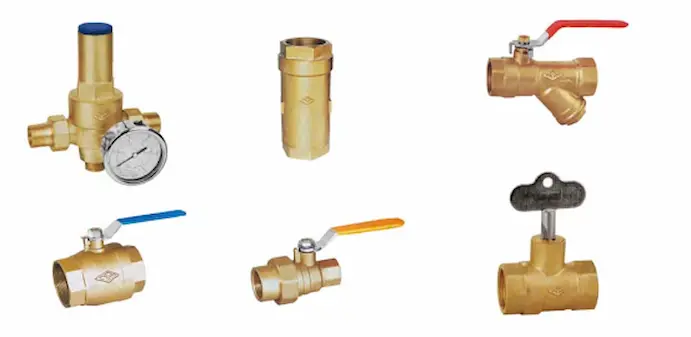
Brass in Valves
Brass valve materials are ideal for:
-
Angle valves
-
Check valves
-
Plumbing and HVAC systems
Copper Alloys in Valves
Copper-based alloys are used where:
-
Corrosion resistance is critical
-
Thermal conductivity is beneficial
However, structural valve components overwhelmingly favour brass alloys.
9. Case Studies & Practical Examples
Case 1: Potable Water System Upgrade
A customer replaced standard brass with DZR brass valves, extending service life by over 40%.
Case 2: Export Market Compliance
Different regions require specific brass grades. Vcore Valve adjusted alloy composition to meet EU drinking water standards.
Data, Performance & Material Behaviour
Studies show that dezincification can reduce brass strength by up to 50% in aggressive water conditions. Correct alloy selection significantly reduces long-term maintenance costs and leakage risks.
Trends & Market Insights
-
Rising demand for lead-free brass
-
Stricter drinking water regulations worldwide
-
Increased focus on material traceability in valve manufacturing
These trends are reshaping how copper and brass raw materials are specified.
Usage Tips & Material Selection Advice
-
Always confirm alloy grade, not just “brass”
-
For potable water, choose certified DZR or lead-free brass
-
Match valve material with sealing and stem materials
-
Request material certificates when sourcing valves
Conclusion
Copper and brass are foundational materials—but their performance depends entirely on correct classification and application. Understanding these differences ensures safer systems and longer valve life.
👉 Contact Vcore Valve to discuss material selection, valve design, and compliance for your next project.
FAQs
Q1: What is the main difference between copper and brass?
Brass is a copper alloy with added zinc, offering higher strength and machinability.
Q2: Is brass suitable for drinking water valves?
Yes, especially dezincification-resistant or lead-free brass grades.
Q3: Why is pure copper rarely used in valves?
It lacks the mechanical strength required for pressure-bearing components.
Q4: What is DZR brass?
A brass alloy designed to resist dezincification in aggressive water conditions.
Q5: Does material choice affect valve lifespan?
Absolutely—incorrect material selection is a leading cause of early valve failure.