
 Product Overview
 Product Overview
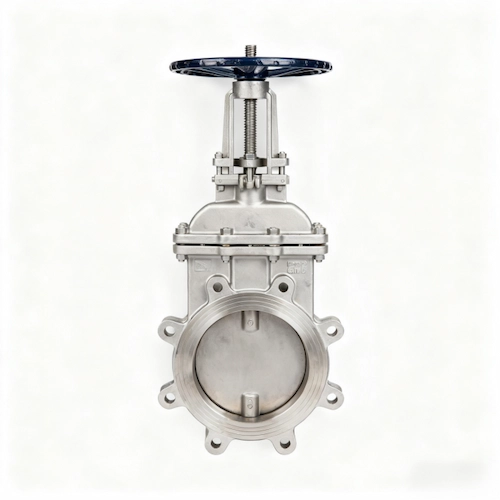
The Plate Gate Valve is a durable and reliable solution for controlling the flow of liquids and gases in pipelines. Engineered to withstand extreme pressures and temperatures, the Plate Gate Valve is designed for a range of demanding industrial applications, including oil and gas pipelines, water treatment plants, and chemical processing systems. The robust design offers both positive sealing and easy maintenance, ensuring a long lifespan in even the harshest environments.
Key Features
-
Reliable Performance: Designed for both high and low-pressure applications, the Plate Gate Valve ensures that fluids flow smoothly and securely, with the gate providing a tight seal to prevent leakage.
-
Durable Construction: Manufactured with high-quality materials such as WCB and CF8M, the valve is built to last under harsh operating conditions.
-
Wide Pressure Range: Available in various pressure ratings, including 1.0 MPa, 1.6 MPa, 2.5 MPa, and 4.0 MPa, making it suitable for different industrial needs.
-
Ease of Maintenance: The valve’s construction is designed for easy disassembly, ensuring efficient maintenance and repair processes.
Technical Specifications
| Component | Specification |
|---|---|
| Nominal Diameter (DN) | 25 – 600 mm |
| Nominal Pressure (PN) | 1.0 MPa, 1.6 MPa, 2.5 MPa, 4.0 MPa |
| Strength Test Pressure | 1.5 MPa, 2.4 MPa, 3.0 MPa, 4.5 MPa |
| Applicable Medium | Water, Oil, Gas, Steam, Chemical Fluids |
| Applicable Temperature | ≤ 200°C |
| Materials | WCB, CF8M, Stainless Steel, PTFE, Soft Graphite |
| Design Standard | GB/T 12233, JB/T 79, GB/T 13927 |
Main Dimensions & Weight
| Nominal Diameter (DN) | L (mm) | H (mm) | D (mm) | D₁ (mm) | D₂ (mm) | D₆ (mm) | b (mm) | f (mm) | Weight (kg) |
|---|---|---|---|---|---|---|---|---|---|
| 50 | 178 | 415 | 160 | 125 | 100 | 220 | 16 | 3 | 24 |
| 65 | 203 | 560 | 195 | 145 | 120 | 250 | 18 | 3 | 36 |
| 80 | 229 | 610 | 220 | 160 | 135 | 280 | 20 | 3 | 46 |
| 100 | 254 | 750 | 250 | 190 | 160 | 320 | 22 | 3 | 62 |
| 150 | 350 | 850 | 300 | 240 | 220 | 400 | 24 | 4 | 98 |
| 200 | 450 | 1050 | 350 | 285 | 260 | 500 | 26 | 4 | 150 |
 Functions and Benefits
 Functions and Benefits
-
Sealing Capability: The Plate Gate Valve’s design ensures a tight seal, preventing leakage and contamination, even under high-pressure conditions.
-
Enhanced Durability: The materials used are resistant to corrosion, ensuring reliable operation in challenging environments.
-
Versatile Applications: Ideal for use in a variety of industries, including chemical plants, water treatment, and petroleum refining, the Plate Gate Valve can handle a broad range of fluids and gases.
-
Safety and Reliability: Equipped with fail-safe features, this valve offers secure operation, minimizing the risk of failure in critical systems.
Applications
The Plate Gate Valve is commonly used in:
-
Oil & Gas Industry: Regulating the flow of crude oil and natural gas.
-
Chemical Processing: Handling corrosive and hazardous chemicals in chemical plants.
-
Water Treatment: Managing water and wastewater flow in municipal systems.
-
Power Plants: Controlling steam and water flow in power generation systems.

FAQs
Q1: What is a Plate Gate Valve?
A1: A Plate Gate Valve is a type of gate valve used to isolate or regulate the flow of liquids or gases in a pipeline. It features a plate-shaped gate that slides in and out of the valve body, enabling full flow control when the valve is fully open.
Q2: What are the applications of Plate Gate Valves?
A2: Plate Gate Valves are typically used in industries such as:
- Oil & Gas: To control flow in pipelines and refineries.
- Water Treatment: To regulate water flow in various treatment systems.
- Power Generation: To isolate systems for maintenance and control fluid flow in power plants.
- Chemical Processing: For controlling the flow of chemicals and other fluids in industrial pipelines.
Q3: How does a Plate Gate Valve operate?
A3: The Plate Gate Valve operates by using a wedge-shaped plate that slides between two seats to block or allow the flow of fluid. When fully open, the plate is retracted, allowing unrestricted flow, while closing it creates a tight seal to prevent leakage.
Q4: What materials are used in Plate Gate Valves?
A4: Plate Gate Valves are typically made from materials like stainless steel, carbon steel, and alloy steel for strength and corrosion resistance. The materials used for sealing, such as rubber or metal, depend on the fluid type and pressure requirements.
Q5: What is the advantage of using a Plate Gate Valve?
A5: The primary advantage of Plate Gate Valves is their ability to provide a full, unobstructed flow when open, which is ideal for systems that need minimal resistance. They also offer a durable, long-lasting solution for high-pressure applications.