Quick Summary
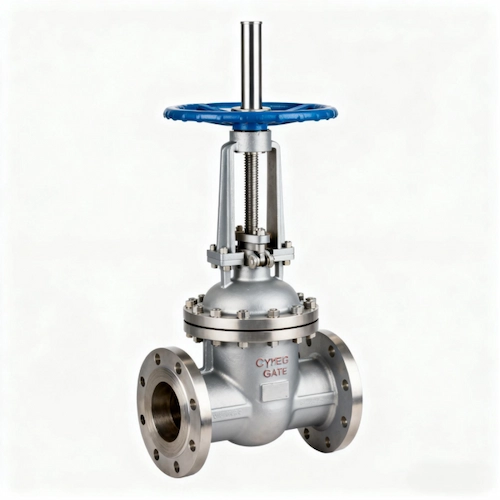
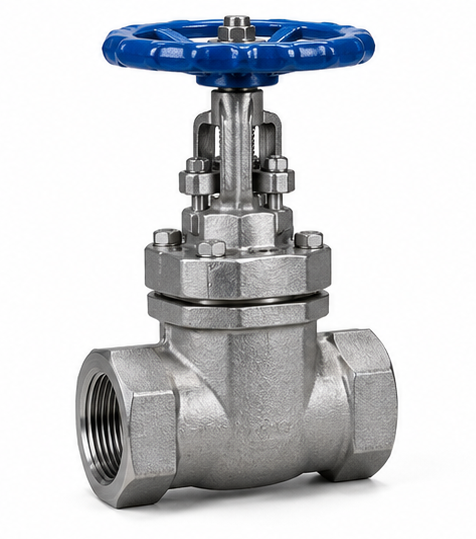
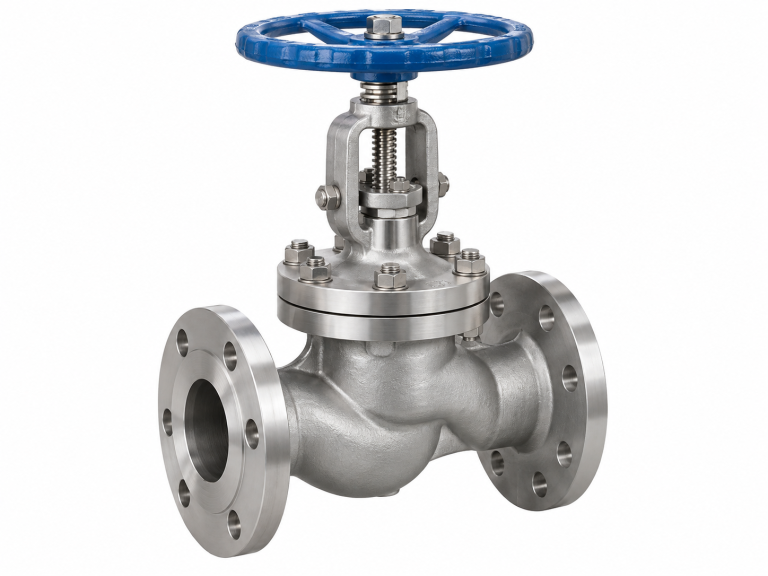
Cryogenic Gate Valve is a low-temperature isolation valve used when standard gate valve construction may not safely handle LNG, liquid nitrogen, industrial gas or other cryogenic media. The key selection points are minimum working temperature, medium, pressure rating, body and trim material, extended bonnet design, cleaning requirement and inspection scope.
Key Product Features
- Extended bonnet design helps protect the stem packing area from the coldest zone.
- Full-bore flow path supports low pressure drop when the valve is fully open.
- Material selection can be reviewed for low-temperature toughness and media compatibility.
- Manual, gear, electric or pneumatic operation can be selected according to size and site control needs.
- Project documentation can include drawings, material certificates, pressure test reports and special inspection records.
Cryogenic Gate Valve Overview
A cryogenic gate valve is designed for full-open or full-close isolation in pipelines where extremely low temperature can affect metal toughness, sealing performance and stem packing stability. In LNG and industrial gas systems, a general-purpose gate valve may not provide the required low-temperature reliability.
Vcore Valve supplies cryogenic gate valve solutions for project buyers, EPC contractors, industrial gas plants and low-temperature process systems. The valve should be selected according to the actual medium, minimum temperature, design pressure, installation orientation, test requirement and documentation scope.
Product Configuration
| Configuration Item | Common Configuration | Project Options |
|---|---|---|
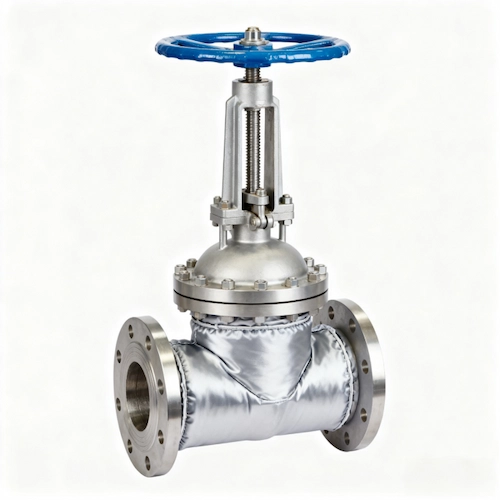
| Valve Type | Cryogenic gate valve | Rising stem or project-specific construction according to datasheet |
| Body Access | Bonnet and stem area designed for low-temperature service | Extended bonnet length according to service temperature |
| Main Function | Pipeline isolation | Full-open / full-close service, not continuous throttling |
| Operation | Handwheel or gearbox | Electric, pneumatic or bare stem on request |
| Seat / Trim | Selected by medium and temperature | Soft seat or metal seat depending on service |
| Project Support | Drawing and document review | Material, test and packing documents according to order scope |
Technical Specifications
| Specification Item | Typical / Available Options | Selection Note |
|---|---|---|
| Product Type | Cryogenic gate valve | For low-temperature isolation service |
| Size | Available according to project pipeline requirements | Confirm with drawing and flange standard |
| Pressure Rating | ANSI Class, PN, JIS or project standard | Confirm by design pressure and temperature |
| Body Material | Low-temperature carbon steel, stainless steel or specified alloy | Material should be verified for minimum temperature |
| Connection | Flanged, butt weld or project-specific end connection | Confirm face-to-face and flange drilling |
| Operation | Manual, gear, electric or pneumatic | Actuator torque should consider low-temperature service |
| Inspection | Pressure test, seat test, material documents and special test if required | Low-temperature test or cleaning only when specified |
Exact size, pressure rating, material, connection standard and test requirement should be confirmed from the project datasheet before ordering. When the working medium is corrosive, abrasive, toxic, flammable, very hot or very cold, material confirmation is more important than a generic catalogue description.
How the Extended Bonnet Design Works
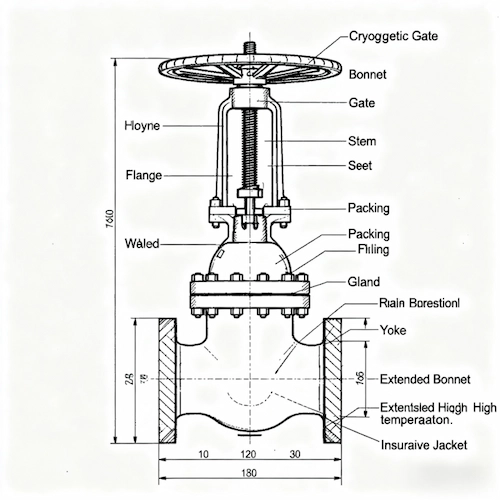
The extended bonnet raises the packing area away from the coldest part of the pipeline. This helps reduce freezing risk around the stem and packing and supports more reliable operation during cryogenic service. The bonnet structure, stem length and material should be confirmed according to the minimum operating temperature.
- The packing area should remain as stable as possible during low-temperature operation.
- The stem, wedge and seat material must be compatible with thermal contraction.
- For oxygen-related projects, special cleaning and contamination control may be required.
- Automated operation should be reviewed for torque changes under low-temperature conditions.
Cryogenic Gate Valve vs Standard Gate Valve
Both valves may look similar from outside, but cryogenic service places additional requirements on material, bonnet structure, packing protection and test scope.
| Comparison Item | Cryogenic Gate Valve | Alternative Valve / Design | Buyer Note |
|---|---|---|---|
| Service Temperature | Designed for low-temperature and cryogenic media | Standard industrial temperature range | Do not use a standard valve for cryogenic duty without engineering confirmation. |
| Bonnet Design | Extended bonnet often required | Standard bonnet | Packing protection is a core selection factor. |
| Material Review | Low-temperature toughness and compatibility must be checked | General material selection | Material certificate and service temperature should match. |
| Testing Scope | May require low-temperature test or special leakage test | Standard pressure and seat test | Confirm special tests before production. |
| Cleaning Requirement | Special cleaning may apply for oxygen or sensitive gas service | Usually standard cleaning | Cleaning requirement must be stated in the order. |
Low-Temperature Valve Selection Factors
A cryogenic valve should not be selected only by size and pressure rating. The following factors directly affect safety, leakage control and service life.
| Selection Factor | Why It Matters | What Buyers Should Confirm |
|---|---|---|
| Minimum Temperature | Material toughness and packing behavior change at low temperature | Lowest operating temperature and design temperature |
| Medium | LNG, nitrogen, oxygen and other gases have different risk profiles | Media composition and cleanliness requirement |
| Pressure Class | Pressure-temperature relationship affects body and seat design | Design pressure, operating pressure and test requirement |
| Installation Orientation | Cryogenic valves may have specific orientation requirements | Pipeline layout and bonnet orientation |
| Actuation | Torque can change under low-temperature conditions | Manual, gear, electric or pneumatic operation requirement |
Seat, Sealing and Maintenance Considerations
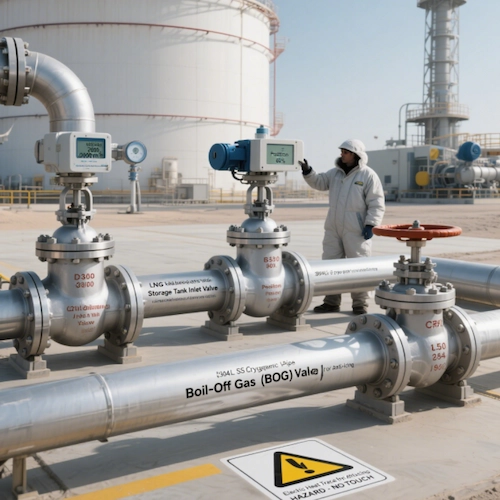
Cryogenic sealing depends on the combined behavior of body material, wedge/seat contact, stem packing and gasket system under thermal contraction. Selection should be conservative when the medium is flammable, oxygen-related or difficult to contain.
- Soft seat and metal seat choices should be matched to temperature and medium.
- Packing material should be compatible with the low-temperature service condition.
- Seat leakage test requirements should be specified before production when required by the selected model datasheet and purchase specification.
- Oxygen service should be reviewed separately for cleaning, material and safety requirements.
Typical Applications
Cryogenic gate valves are used where low-temperature pipeline isolation is required and where access, safety and stable shut-off matter.
- LNG storage and transfer pipelines
- Liquid nitrogen and industrial gas distribution
- Cold box auxiliary isolation points
- Low-temperature chemical or process utility lines
- Pipeline isolation points requiring full-bore flow
- Projects requiring material and test document traceability
Application Limits
- Not intended for continuous throttling service.
- Oxygen service requires special confirmation and cleaning requirements.
- Minimum operating temperature must be stated clearly before quotation.
- Do not assume all stainless steels or carbon steels are suitable for cryogenic service.
- Actuator selection should consider low-temperature operating torque.
Engineering Notes for Buyers
For a cryogenic gate valve, the best technical choice is usually made before the purchase order is placed. A valve can have the right nominal size and still fail early if the medium, temperature, solids content, corrosion risk or operation method is not fully reviewed. This is why Vcore recommends checking the service condition together with the drawing, material list and inspection requirement.
Match the Valve to Real Working Conditions
Many product failures come from selecting a valve only by name or pressure class. In actual projects, the same valve type may behave differently in clean water, steam, slurry, gas, chemical utility or low-temperature service. Buyers should confirm whether the valve is used for isolation, regulation, emergency shut-off, maintenance bypass or process safety before final selection.
Review Material Compatibility Early
Body, trim, seat, gasket, packing and bolting materials should be checked as a complete system. If the medium is corrosive, abrasive, oxygen-related, high temperature, low temperature or hazardous, the safest wording is to confirm material suitability according to the project datasheet instead of relying on a general catalogue description.
Confirm Operation and Maintenance Access
Manual operation may be enough for small sizes or low-frequency use, while gearboxes or actuators may be needed for larger valves, remote operation or repeated cycling. Maintenance access should also be reviewed. A valve installed in a difficult position may require a different actuator, stem orientation or inspection plan.
Use Documentation to Reduce Procurement Risk
Export projects often require drawings, test reports, certificates, inspection records, packing photos and nameplate confirmation. These documents help the buyer verify that the delivered valve matches the approved technical requirement before shipment.
Common Selection Mistakes to Avoid
- Selecting only by nominal size without confirming pressure, temperature and medium.
- Using a shut-off valve for continuous throttling when a control valve or globe valve would be more suitable.
- Ignoring seat, packing, gasket or trim material when the body material looks acceptable.
- Assuming one standard valve design is suitable for corrosive, abrasive, low-temperature or high-temperature service.
- Choosing an actuator before confirming operating torque, differential pressure and cycling frequency.
- Forgetting installation space, flange drilling, face-to-face length or maintenance access.
Ordering Workflow for Project Buyers
| Step | Buyer Input | Vcore Review Focus |
|---|---|---|
| 1. Application Review | Medium, pressure, temperature, flow condition and function | Valve type, material direction and service suitability |
| 2. Drawing Confirmation | Size, connection standard, face-to-face, actuator space | Dimensional compatibility and installation risk |
| 3. Material Confirmation | Body, trim, seat, gasket, packing and bolting requirements | Corrosion, abrasion, temperature and media compatibility |
| 4. Operation Method | Manual, gearbox, electric, pneumatic or hydraulic operation | Torque, frequency, control mode and site conditions |
| 5. Inspection Scope | Test reports, MTC, PMI, coating, packing and special documents | Order traceability and shipment readiness |
Why Work With Vcore Valve
Vcore Valve focuses on helping buyers select valves according to real project conditions rather than using one generic description for every application. For distributors, EPC companies, plant maintenance teams and OEM equipment builders, this can reduce communication cost and help avoid mismatch during installation.
When a project has uncertain media, special documents or non-standard requirements, Vcore can review the datasheet, drawing and application notes before quotation. This is especially important for valves used in critical isolation, leakage-sensitive service, abrasive media, low-temperature systems, high-temperature pipelines or automated operation.
Inspection and Documentation
For export projects and engineering procurement, inspection documents help buyers verify that the supplied valve matches the confirmed technical requirement. Vcore Valve can discuss the document scope before production according to the project order.
| Inspection / Document | Purpose | When to Request |
|---|---|---|
| Material Test Certificate | Confirms pressure-containing and wetted component material grades and heat numbers. | When material traceability is required by the buyer or project. |
| Dimensional Inspection | Checks connection, face-to-face, operation direction and main dimensions. | For replacement projects and flange matching. |
| Pressure Test Report | Records shell and seat test results according to the agreed standard. | For most industrial valve orders. |
| Visual and Coating Inspection | Checks casting surface, coating quality, marking and nameplate details. | For export projects and outdoor installation. |
| Packing List and Export Marking | Confirms packaging, quantity, gross weight and shipping marks. | Before shipment and customs documentation. |
| Special Test / Cleaning Record | Documents low-temperature, leakage, cleaning or other agreed tests. | Only when the project requires it. |
Information Required for Valve Selection
- Valve size and quantity
- Medium name and minimum working temperature
- Design pressure, operating pressure and pressure class
- End connection standard and face-to-face requirement
- Body, trim, seat, gasket and packing material requirements
- Manual, gear, electric or pneumatic operation
- Low-temperature test, cleaning, certificate or inspection requirements
Related Valve Resources
Review related valve pages that are technically closer to this product family:
Standards and Documentation References
For engineering terminology and valve specification context only, buyers may review ASME B16.34 valve standards information. Final standard compliance, size range, pressure class, temperature range and leakage test requirement must be confirmed from the selected model datasheet and purchase specification.
FAQ
1. What is a cryogenic gate valve?
A cryogenic gate valve is a gate valve designed for low-temperature isolation service where materials, packing and bonnet design must remain reliable under cryogenic conditions.
2. Why does a cryogenic gate valve need an extended bonnet?
The extended bonnet helps keep the packing area away from the coldest zone and reduces the risk of freezing or unstable stem sealing.
3. Can it be used for oxygen service?
Oxygen service requires special material review, cleaning and safety confirmation. It should be confirmed before ordering.
4. What information is needed for quotation?
Please provide medium, minimum temperature, pressure class, size, connection, material, operation method and required inspection documents.
5. Is it suitable for throttling?
It is mainly intended for full-open or full-close isolation. Continuous throttling should be reviewed with a suitable control valve design.
Practical Takeaway
For cryogenic pipeline isolation, the safest buying decision is to confirm the working medium, minimum temperature, pressure class, material, bonnet design, cleaning requirement and test scope before production.