Quick Summary
Valves are essential in the cement industry, where harsh conditions demand reliable and efficient equipment. From controlling flow to ensuring safety, the right valve solutions can significantly enhance productivity and reduce downtime. This article examines the key challenges and the role of valves in overcoming them, improving overall efficiency
In the cement industry, operations take place under extreme temperatures, high-pressure conditions, and constant wear. Whether it’s controlling the flow of raw materials, cement, or gases, valves play a pivotal role in ensuring smooth operations. But how do these valves withstand the punishing conditions of cement plants? Let’s take a deeper look at the types of valves used and how they contribute to system efficiency in the cement industry.
3-Major Issues Faced by Valves in Cement Plants
Exposure to Extreme Temperatures
High temperatures can cause standard valves to fail prematurely, leading to costly repairs and operational delays.
Abrasion from Harsh Materials
Cement and raw materials can wear down valves, affecting their performance and increasing maintenance costs.
Increased Downtime and Maintenance Costs
Without proper valve selection and maintenance, frequent breakdowns and high maintenance costs can hinder plant operations.
How to Overcome Valve Challenges in Cement Plants
Choose High-Temperature Resistant Valves
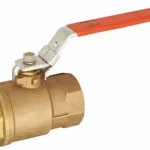
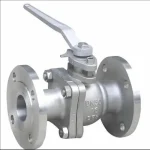
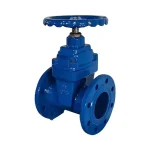
Use valves designed for extreme heat conditions, such as ball valves and gate valves made from heat-resistant alloys, to ensure consistent operation.
Select Abrasion-Resistant Valve Materials
Materials like stainless steel or ceramic-lined valves provide the necessary durability to handle abrasive cement particles, reducing wear and tear.
Implement a Regular Valve Maintenance Schedule
Prevent unexpected downtime by inspecting and maintaining valves regularly. This ensures they are working efficiently and reduces the risk of failure.

Real-World Applications of Check Valves in Cement Plants
Case 1: Preventing Contamination in Cement Kilns
Learn how the installation of high-temperature resistant valves helped prevent contamination in cement kilns, ensuring cleaner, safer production.
Case 2: Optimising Valve Lifespan in Pneumatic Conveying Systems
Discover how switching to abrasion-resistant valves in pneumatic systems increased the lifespan of equipment and reduced maintenance needs.
Valve Types and Their Performance Parameters for Cement Industry Applications
| Valve Type | Operating Temperature Range | Abrasion Resistance | Flow Coefficient (Cv) | Materials | Applications in Cement Industry | Common Issues |
|---|---|---|---|---|---|---|
| High-Temperature Ball Valve | 200°C – 500°C | Moderate | 10 – 80 | Heat-treated alloys, Carbon steel | Kilns, sintering furnaces, hot gas systems | Seal performance at high temperatures may degrade with prolonged use. |
| Swing Check Valve | 150°C – 300°C | High | 25 – 150 | Stainless steel, Copper alloys | Conveyor systems, gas pipelines | Valve disc vibration under high flow and pressure. |
| Spring Loaded Check Valve | -20°C – 150°C | Low | 10 – 100 | Stainless steel, Aluminium alloys | Low-pressure systems, gas pipelines | Springs may loosen, requiring regular checks and replacements. |
| Lift Check Valve | 100°C – 250°C | Moderate | 20 – 150 | Steel, Galvanized alloys | Dust systems, low-flow high-pressure pipelines | Valve disc may get stuck, disrupting fluid flow. |
| Ceramic-Lined Ball Valve | 150°C – 400°C | Very High | 5 – 100 | Ceramic-lined, Carbon steel | High-abrasion, low-flow systems | High cost, but long lifespan significantly reduces wear. |
| Electric Control Valve | -10°C – 150°C | Moderate | 15 – 200 | Stainless steel, Copper alloys | Automated control, gas flow regulation | Requires regular electrical checks to prevent component failure. |
The Impact of Valve Performance on Cement Plant Efficiency
Studies have shown that correctly selected valves can reduce maintenance costs by up to 30%, significantly improving plant efficiency and reducing downtime.
The Future of Valve Technologies in Cement Manufacturing
The trend is shifting towards automation and smart valve systems that monitor flow and adjust in real-time, leading to better energy efficiency and operational reliability in cement plants.

Ensuring Maximum Efficiency with Valve Selection and Maintenance
-
Select Valves Based on Application Needs: Match the valve material and design to your specific temperature and flow conditions.
-
Regular Maintenance is Key: Conduct regular inspections to detect early signs of wear, corrosion, or malfunction.
-
Invest in Advanced Valve Technologies: Use automated systems that monitor and adjust valve performance for optimum results.
Conclusion
Valves play an essential role in ensuring smooth operations in cement plants, particularly in harsh conditions like high temperatures and abrasive environments. By selecting the right valve materials, performing regular maintenance, and investing in modern valve technologies, cement plants can significantly enhance efficiency and reduce operational costs. Contact us today to explore our range of industrial valves designed for the cement industry.
FAQ
1. What type of valves are best for high-temperature cement plants?
High-temperature resistant valves, such as ball and gate valves made from heat-resistant alloys, are ideal for cement plants.
2. How do I prevent abrasion in valves used in cement plants?
Use abrasion-resistant materials like stainless steel or ceramic-lined valves, and ensure proper maintenance to avoid wear and tear.
3. What are the benefits of automated valve monitoring in cement plants?
Automated systems provide real-time monitoring, helping to identify issues early and optimise valve performance, reducing downtime and improving efficiency.
4. How often should valves be inspected in cement plants?
Regular inspections should be conducted every 6 months, with additional checks during high-demand periods or extreme weather conditions.
5. Can valves handle the high pressure in cement plants?
Yes, but it’s essential to choose the right valve type and material based on the specific pressure conditions and requirements of your system.