Prevent valve freezing before winter shutdowns, cold starts and outdoor operation become reliability problems. A frozen valve can stop flow, crack a body, damage seats, lock an actuator, trap pressure, or create unsafe operating conditions. In cold climate operations, the goal is not only to keep the valve warm. The system must also control stagnant liquid, condensation, wind exposure, insulation gaps, heat tracing coverage, maintenance access and start-up procedure.
Why Valves Freeze in Cold Climate Service
Valves usually freeze when liquid remains trapped in a low-flow area and the surrounding temperature drops below the freezing point of the medium. The risk increases when a valve is installed outdoors, near a draft, at a dead leg, on an intermittent service line, or in a system that is shut down overnight.
Water service is the most obvious example, but freezing problems can also occur with wet air, condensate, slurry water, cooling water, fire water, drainage lines and process fluids with water content. Even when the main pipe is protected, the valve bonnet, packing area, drain plug, cavity and flange gap may still be exposed.
For broader maintenance planning, compare freeze prevention with industrial valve maintenance practices and build the winter checklist before the first cold wave.
9 Best Ways to Prevent Valve Freezing
1. Insulate the Valve Body and Adjacent Pipe
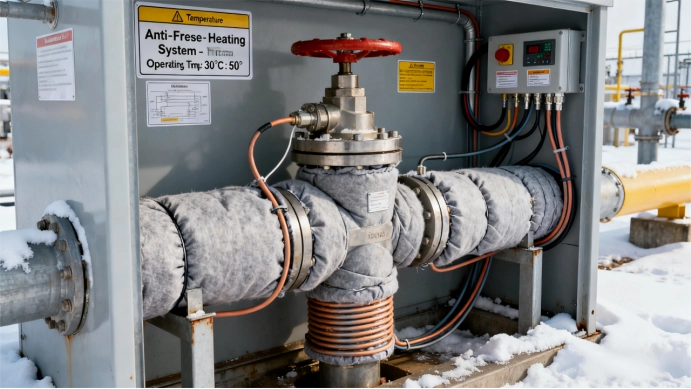
Insulation should cover the valve body, bonnet, flanges and short pipe sections around the valve. Leaving flange joints or bonnets exposed can create cold spots. Use insulation materials suitable for outdoor moisture, wind and mechanical damage.
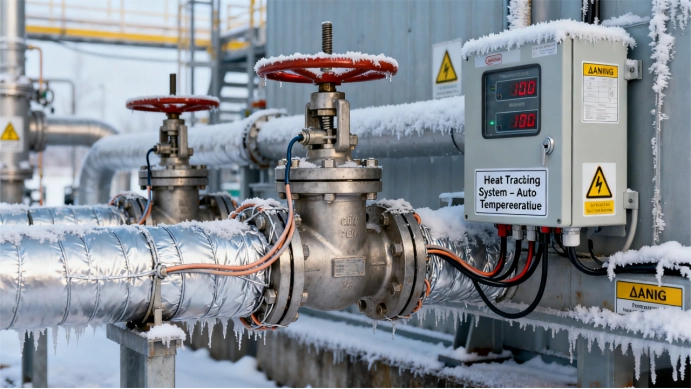
2. Use Electric Heat Tracing for Critical Lines
Electric heat tracing is useful when the valve must remain operable in freezing conditions. The tracing cable should be selected for the required heat output, voltage, hazardous-area classification and control method.
3. Drain Lines That Are Not Continuously Used
If a line will be out of service during freezing weather, drain it completely. A small pocket of water in a closed valve can expand and crack the body or damage the seat.
4. Avoid Dead Legs and Low Points
Dead legs and low points collect liquid. If the line cannot be redesigned, add drain points, flushing connections, heat tracing, or a maintenance procedure that removes trapped fluid before freezing conditions.
5. Select Materials and Seals for Low Temperature
Low temperature can make some elastomers harder and reduce sealing flexibility. Check body material, trim material, stem packing and seat material against the minimum ambient and process temperature. For material thinking, use the same logic as the valve material selection guide.
6. Protect Actuators, Positioners and Accessories
Actuators may fail before the valve body freezes. Pneumatic lines can collect moisture, positioners may ice up, and limit switches can become unreliable. Instrument air should be dry and protected.
7. Use Steam Jackets for Suitable Process Conditions
Steam jackets can maintain temperature on viscous or freezing-prone services. They require proper steam supply, condensate removal and pressure control.
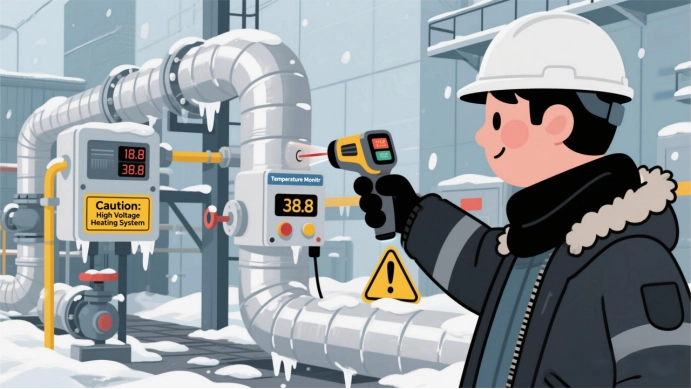
8. Check Cold-Start Operating Procedure
Do not force a frozen valve open with excessive actuator torque. Warm the valve safely, confirm pressure condition, and check whether the line is blocked by ice before operation.
9. Inspect Before and After Winter
Inspect insulation damage, missing covers, failed heat tracing, wet insulation, loose junction boxes, cracked drains and packing leakage before winter. After winter, inspect for body cracks, seat damage and actuator wear.
Cold Climate Valve Protection Checklist
| Check Item | Why It Matters |
|---|---|
| Insulation coverage | Prevents local cold spots around body, bonnet and flanges |
| Heat tracing continuity | Confirms the cable is powered and controlled correctly |
| Drain and vent points | Removes trapped liquid from low points and cavities |
| Seat and seal material | Maintains sealing flexibility at low temperature |
| Actuator accessories | Prevents frozen air lines, switches and positioners |
Common Mistakes
The most common mistake is insulating only the pipe while leaving the valve body exposed. Another mistake is installing heat tracing on a straight pipe run but stopping before the valve bonnet. Buyers also underestimate wet insulation. Once insulation absorbs water, its thermal performance drops and corrosion risk increases.
For pressure equipment and piping projects, winter protection should be checked against the owner specification and applicable codes. A useful standards starting point is ASME Codes and Standards, while the final design should follow project and local requirements.
When to Replace a Freeze-Damaged Valve
Replace the valve if the body is cracked, the seat is distorted, the stem is bent, the disc cannot move freely, or leakage continues after thawing and inspection. For replacement planning, review valve replacement warning signs.
FAQ
What is the best way to prevent valve freezing?
The best method depends on service severity. Insulation, heat tracing, drainage and correct cold-weather operation are usually combined for critical valves.
Can insulation alone prevent valve freezing?
Insulation slows heat loss, but it may not be enough for stagnant water or long shutdowns. Heat tracing or drainage may also be needed.
Should I force a frozen valve open?
No. Forcing a frozen valve can damage the stem, seat, actuator or body. Warm and inspect the valve before operating it.
Do actuated valves need special winter protection?
Yes. Actuators, air lines, positioners and switches should be protected from moisture, ice and low temperature failure.
Which valves are most at risk of freezing?
Outdoor valves, low-flow valves, dead-leg valves, water service valves and valves on intermittent lines are at higher risk.