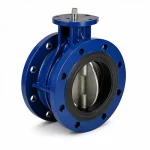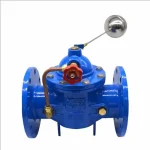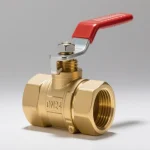
Quick Summary
Angle valves are versatile components used in fluid control systems to regulate flow direction at a 90-degree angle. They’re commonly used in industries like plumbing, HVAC, and manufacturing due to their unique ability to direct flow efficiently and save space in confined systems.
Angle Valves: Essential Components for Fluid Control
Imagine a factory floor where a complex fluid system needs to run smoothly. With pipes snaking through the space, there’s a need for valves that don’t just stop flow—they manage it efficiently, guiding fluids in the right direction. Enter the angle valve—a clever solution for applications requiring a tight, compact design and precise control of fluid direction.
Common Challenges in Fluid Flow Systems
1. Space Constraints in Fluid Systems
-
Challenge: Industrial and plumbing systems often operate in tight spaces where traditional valves might not fit or could cause unnecessary disruption to flow patterns.
-
Solution: The angle valve provides an efficient, space-saving solution, diverting fluid flow at a 90-degree angle without the need for bulky piping setups.
2. Maintaining Fluid Pressure and Flow Control
-
Challenge: In many industries, especially manufacturing and heating, maintaining consistent fluid flow is essential for system efficiency. A poor valve design can lead to pressure drops and reduced operational effectiveness.
-
Solution: Angle valves are specifically designed to control flow direction without compromising pressure, making them ideal for high-pressure systems.
3. Long-Term Maintenance Concerns
-
Challenge: Valves that require constant maintenance can lead to system downtime and increased operational costs.
-
Solution: Angle valves are built for durability and easy maintenance, ensuring long-term reliability with minimal maintenance needs.

Why Angle Valves Are the Ideal Solution for Your System
1. Choose Angle Valves for Compact Applications
-
For installations with limited space, angle valves are perfect as they offer a 90-degree change in direction without needing additional space. Their design helps save valuable room in piping systems.
2. Reliable Pressure Control in High-Flow Systems
-
Angle valves excel in systems requiring high-flow and high-pressure control. Their unique design allows for smooth regulation of fluid flow without significant pressure drops.
3. Prioritize Durability for Cost-Effective Operations
-
Angle valves are typically built to last with materials such as brass, stainless steel, and cast iron. Their resistance to wear and corrosion makes them an excellent choice for systems that need dependable long-term performance.

Real-World Applications of Angle Valves in Industry
Case Study: HVAC Systems in Commercial Buildings
In a commercial building’s HVAC system, efficient water flow is essential for proper cooling and heating. Angle valves are used to redirect water flow efficiently, preventing unnecessary pressure drops and ensuring that the system operates smoothly. Their ability to manage water flow in compact piping setups reduces both space and energy usage, making them a cost-effective solution.
Comparing Angle Valves with Standard Valves: Key Differences
| Feature | Angle Valve | Standard Valve |
|---|---|---|
| Flow Direction | 90-degree change in flow direction | Typically linear or one-way flow |
| Space Efficiency | Compact design, saves space | Bulky design, requires more space |
| Pressure Control | Maintains consistent pressure in systems | Potential pressure drop in complex setups |
| Maintenance | Low-maintenance, durable | Requires more frequent maintenance |
| Applications | Plumbing, HVAC, industrial systems | General fluid control |
Angle Valves in the Market: Trends and Future Insights
The increasing demand for energy-efficient systems in industries like HVAC and manufacturing is driving the use of angle valves. As these systems strive to optimise space and reduce operational costs, angle valves’ ability to efficiently control fluid flow in confined spaces while maintaining pressure is becoming increasingly essential. Market trends also show a growing preference for valves made from corrosion-resistant materials, ensuring longevity and durability in high-demand applications.
Best Practices for Using Angle Valves in Various Systems
-
In HVAC systems: Angle valves are ideal for directing chilled water or hot water flow efficiently within the piping systems. Their compact design helps to optimise space and ensure fluid is directed precisely.
-
In industrial piping systems: Use angle valves for systems requiring quick redirection of fluid flow. Their durability ensures they can handle high pressures and corrosive fluids with minimal maintenance.
Conclusion
Whether you’re installing a new plumbing system, upgrading your HVAC system, or managing complex industrial piping, angle valves offer the perfect solution. Their space-saving, high-performance design makes them an excellent choice for a variety of applications. Contact Vcore Valves today to explore our range of angle valves designed for maximum efficiency and durability.
FAQ
1. What is an angle valve used for?
-
Angle valves are primarily used to direct the flow of fluid at a 90-degree angle in confined systems, making them ideal for plumbing, HVAC, and industrial applications.
2. What are the advantages of using an angle valve?
-
Angle valves provide a space-saving design, efficient flow control, and long-lasting performance, even in high-pressure systems.
3. Can angle valves handle high-pressure systems?
-
Yes, angle valves are designed to handle high-pressure systems efficiently, maintaining consistent flow and pressure.
4. Are angle valves easy to maintain?
-
Angle valves are known for their low-maintenance design, which makes them a cost-effective option for long-term operation.
5. How do angle valves compare to regular valves?
-
Angle valves offer more space-efficient designs and better pressure control, making them more suitable for systems where space and flow efficiency are key concerns.
6. Where are angle valves typically used?
-
Angle valves are commonly used in HVAC systems, industrial fluid systems, and plumbing installations where space is limited and efficient flow control is required.
7. Can angle valves be used for hot water systems?
-
Yes, angle valves are suitable for both hot and cold water systems and can handle a range of temperatures depending on the materials used.