Quick Summary
A stop valve is a critical component in many industrial systems, designed to control the flow of fluids in pipelines. Often used for emergency shut-off or isolating parts of a system, the stop valve ensures smooth and safe operation. In this article, we’ll explore the various functions, uses, and advantages of stop valves in industrial applications.
Imagine you’re managing a complex pipeline system, and suddenly, a maintenance issue arises on one of the lines. The last thing you need is to risk flooding or contamination in your entire system. This is where the stop valve comes into play, providing an essential shut-off mechanism to quickly isolate parts of the system, preventing catastrophic damage and ensuring continuous operation elsewhere.
Common Issues with Stop Valves and How to Solve Them
1. Frequent Leaks or Flow Disruptions
-
Problem: A malfunctioning or improperly installed stop valve can lead to leakage or uncontrollable flow, potentially damaging equipment or leading to hazardous situations.
-
Solution: Regular maintenance, proper installation, and choosing the right valve material can prevent such issues, ensuring the valve performs effectively.
2. Difficulty in Isolating Sections of the Pipeline
-
Problem: Without an efficient stop valve, isolating sections of a pipeline for maintenance or emergency purposes becomes challenging, leading to long downtimes or safety risks.
-
Solution: Install high-quality stop valves at strategic points in the system to ensure that any section can be isolated quickly and safely.
3. Improper Valve Selection
-
Problem: Selecting the wrong type of stop valve for the specific application (pressure, flow, or fluid type) can result in poor performance or complete failure of the system.
-
Solution: Properly evaluate your system’s needs, including the fluid type, pressure requirements, and temperature ranges, to choose the correct stop valve.

How to Choose and Install the Right Stop Valve for Your System
1. How Stop Valves Control Fluid Flow
-
Stop valves work by either fully opening or closing to allow or prevent the flow of fluid through a pipe. The main types of stop valves include:
-
Gate Valves: These are commonly used in large pipelines and can isolate the flow by lifting or lowering a gate within the valve body.
-
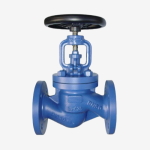
Globe Valves: Globe valves are more suitable for throttling and regulating the flow, though they can also serve as stop valves for complete isolation.
-
Ball Valves: Known for their quick operation, ball valves can be used as stop valves to control the flow instantly by rotating the ball inside the valve.
-
2. Installing Stop Valves for Maximum Efficiency
-
For stop valves to function effectively, proper installation is key. Consider these steps:
-
Positioning: Ensure valves are installed in easily accessible locations for maintenance and adjustment.
-
Correct Sizing: Choose the right size valve to match the flow capacity of your system.
-
Sealing: Ensure that the valve seals tightly when closed to prevent leaks and system pressure loss.
-
3. Regular Maintenance for Long-Lasting Performance
-
To keep your stop valve functioning correctly:
-
Inspect and clean regularly to prevent debris from interfering with the valve’s operation.
-
Lubricate moving parts to ensure smooth opening and closing actions.
-
Periodically test the valve’s sealing ability and pressure resistance to ensure reliability.
-

Successful Use of Stop Valves in Preventing Pipeline Failures
Case Study: Stop Valve in a Water Treatment Facility
At a water treatment facility, stop valves are used extensively to isolate different stages of the water treatment process for maintenance or emergency repairs. In one instance, a leak was detected in one section of the system. The team used strategically placed stop valves to isolate the faulty section, preventing contamination and minimizing downtime. Thanks to the valves, the rest of the system remained operational, ensuring uninterrupted water supply to the community.
Comparing Stop Valves: Gate vs. Globe vs. Ball Valves
| Valve Type | Ideal Application | Advantages | Common Issues |
|---|---|---|---|
| Gate Valve | Large-diameter pipes, complete isolation | Full flow control, low pressure drop | Slow operation, not ideal for throttling |
| Globe Valve | Pressure regulation, throttling | Precise flow control, durable | Higher pressure drop, less efficient |
| Ball Valve | Quick shut-off, high-pressure systems | Fast, reliable shut-off, durable | Potential for wear on sealing surfaces |
The Future of Stop Valves: Trends and Innovations in Valve Technology
As industries focus on improving safety and operational efficiency, the demand for advanced stop valves continues to grow. Manufacturers are introducing smart valves with remote monitoring and control capabilities. These valves can be integrated with IoT systems for real-time data collection, allowing operators to make informed decisions and improve system performance.
Furthermore, the trend towards automation in industrial systems is pushing for stop valves that can be operated remotely, reducing the need for manual intervention and ensuring quicker responses to potential failures.
 Best Practices for Stop Valve Installation and Maintenance

-
In the Oil and Gas Industry, Stop valves are essential for quickly isolating pipelines, preventing spills, and protecting equipment in case of pressure surges.
-
In Water Treatment Plants: These valves play a critical role in isolating sections of the system for repairs, ensuring continuous flow while maintaining safety.
-
In Chemical Processing, Stop valves prevent leaks and contamination by providing a reliable means of sealing off hazardous materials during routine maintenance or emergencies.
Conclusion
Stop valves are essential components for maintaining flow control and protecting your system from pressure buildup. Whether you’re working with a large industrial system or a smaller setup, installing and maintaining the right stop valves can help ensure efficiency and safety. Contact Vcore Valves to learn more about our selection of high-quality stop valves, designed to meet the specific needs of your system.
FAQ
1. What is the difference between a stop valve and a control valve?
-
Stop valves are used to stop or start the flow of fluids, while control valves regulate the flow or pressure of a fluid.
2. Can a stop valve be used for throttling?
-
Some types, such as globe valves, can be used for throttling, but gate valves are generally better suited for complete shut-off.
3. How often should I inspect my stop valve?
-
It’s recommended to inspect stop valves regularly (every 6-12 months) for signs of wear or malfunction, especially in critical systems.
4. What materials are used for stop valves?
-
Stop valves are made from a variety of materials, including stainless steel, cast iron, and brass, depending on the application and pressure requirements.
5. How do I know if my stop valve is working properly?
-
Test the valve by opening and closing it to ensure it seals properly and doesn’t leak. Check the flow rate and pressure to ensure it aligns with system requirements.
6. What is the most common type of stop valve?
-
Gate valves are the most commonly used stop valves for applications requiring full flow control and minimal pressure loss.
7. Why are stop valves important in emergencies?
-
Stop valves can quickly isolate a section of the pipeline, preventing further damage or risk in the event of a system failure or leak