Quick Summary
Compressed air is one of the most expensive energy sources in industrial plants, yet it is often treated casually. Valve selection plays a critical role in system efficiency, leakage control and long-term reliability. Ball valves, known for their tight sealing and minimal pressure drop, have become the preferred solution for compressed air systems. At Vcore Valve, we design ball valves specifically to meet the demanding requirements of modern pneumatic networks.
A Familiar Workshop Scenario
“Why does the compressor keep running even when production stops?”
“Because compressed air is leaking—silently, constantly, and expensively.”
Key User Pain Points
Invisible Energy Loss from Air Leaks
Even minor valve leakage can lead to significant compressor energy waste.
Pressure Drop Reducing Tool Performance
Poor valve design restricts airflow and lowers end-use pressure.
Frequent Maintenance and Downtime
Incompatible materials and weak seals fail quickly in compressed air service.
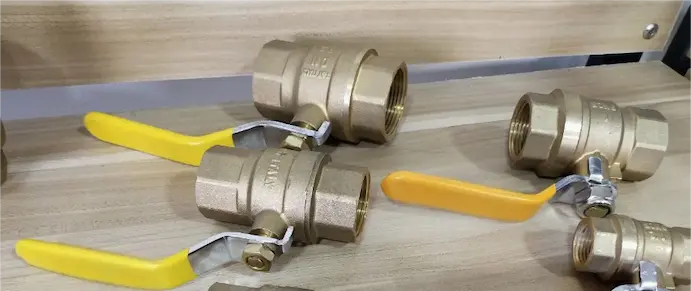
Practical Solutions from Vcore Valve
Use Tight-Sealing Ball Valves
Ball valves provide bubble-tight shut-off, critical for air systems.
Select Full Bore Designs
Maintaining airflow reduces compressor workload.
Choose Materials Designed for Air Service
Proper seats and surface finishes extend service life.
Why Ball Valves Excel in Compressed Air Systems
Unlike liquids, compressed air is highly sensitive to leakage and pressure loss. our ball valve for compressed air offers a near-straight flow path and excellent sealing, making it ideal for pneumatic networks.
Key advantages include:
-
Extremely low leakage rates
-
Minimal pressure drop
-
Fast quarter-turn operation
-
High durability under frequent cycling
These characteristics directly support compressed air efficiency.
Leakage: The Silent Energy Killer
Studies show that compressed air leaks can waste 20–30% of total system energy. Traditional valves with multiple sealing surfaces struggle to maintain tight shut-off over time.
Ball valves, by contrast, rely on a single rotating sphere and resilient seats, making them one of the most low leakage valve options available.
Full Bore vs Reduced Bore in Air Systems
| Valve Type | Typical Role in Compressed Air | Main Advantage | Main Limitation |
|---|---|---|---|
| Full-bore ball valve | Main isolation and zoning | Low resistance when open, quick operation | Not ideal for precise throttling |
| Reduced-bore ball valve | Branch isolation or smaller lines | Compact, cost-effective | Higher pressure drop than full bore |
| Globe valve | Flow adjustment or throttling | Better regulation capability | Higher pressure drop for simple isolation |
| Check valve | Non-return protection | Prevents reverse flow | Must be sized for cracking pressure and pressure loss |
| Solenoid valve | Automated on/off control | Remote control and fast switching | Requires correct Cv, coil rating, and air quality |
For main air distribution lines, Vcore Valve strongly recommends full bore compressed air ball valves.
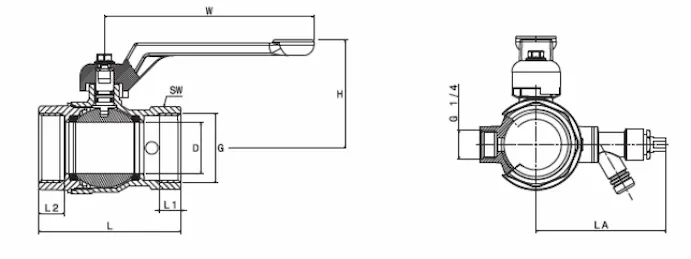
Case Study: Automotive Assembly Plant
An automotive factory experienced frequent pressure drops at pneumatic tools.
Problem:
-
Mixed valve types across air headers
Solution:
-
Replaced isolation valves with Vcore Valve full bore ball valves
Results:
-
Stable operating pressure
-
Reduced compressor cycling
-
Lower energy consumption by 15%
Scientific and Technical Analysis
Compressed air systems are highly sensitive to flow resistance:
-
Every 1 bar pressure drop increases compressor energy use by 7–8%
-
Ball valves typically exhibit significantly lower Cv loss than alternative valve types
-
Tight shut-off reduces compressor idle run time
These factors make ball valves for compressed air systems a strategic energy-saving component.
Market Trends and Industry Insight
-
Growing focus on compressed air audits
-
Rising demand for energy-efficient valves
-
Increased use of ball valves in smart pneumatic systems
-
Lifecycle cost replacing upfront price as key purchasing metric
Best Practices for Compressed Air Valve Selection
-
Use ball valves for isolation and zoning
-
Avoid unnecessary reducers and undersized valves
-
Select valves rated for high cycling
-
Inspect seals regularly to maintain leakage control
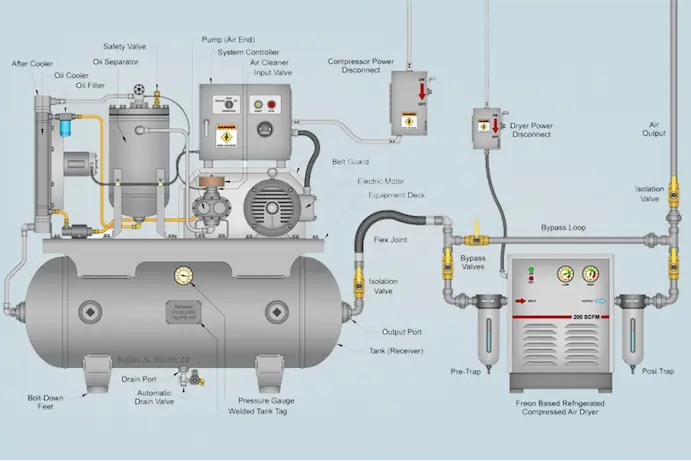
Conclusion
Compressed air is too valuable to waste. The right valve choice can dramatically reduce energy loss, improve system reliability and lower operating costs. Ball valves, with their tight sealing and low pressure drop, are the clear winner for compressed air systems.
At Vcore Valve, we supply industrial ball valves engineered for efficiency, durability and long-term performance in pneumatic applications.
👉 Contact Vcore Valve to optimise your compressed air system today.
FAQs
Q1: Are ball valves suitable for all compressed air pressures?
Yes, when correctly rated and selected.
Q2: Do ball valves reduce air leakage?
Yes, they offer superior sealing compared to many alternatives.
Q3: Is a full bore valve necessary for compressed air?
Highly recommended for main distribution lines.
Q4: Can ball valves handle frequent on-off cycling?
Yes, especially designs intended for pneumatic service.
Q5: How often should compressed air valves be inspected?
At least annually, or during energy audits.
Q6: Does Vcore Valve provide valves specifically for air systems?
Yes, tailored to industrial pneumatic applications.
Reference
NTGD Valve. Why Choose Ball Valves for Compressed Air Systems: Efficiency and Durability
Compressed Air & Gas Institute (CAGI). Compressed Air System Best Practices.
ISO 8573. Compressed Air Quality Standards.
Vcore Valve Engineering Guide. Valve Selection for Pneumatic Systems.v