Quick Overview
A semi lugged butterfly valve sits between wafer and fully lugged designs, offering a smart balance of installation flexibility, cost efficiency, and structural stability. Widely used in water treatment, HVAC, and industrial pipelines, this valve type allows partial end-of-line service while maintaining a compact footprint. In this guide, Vcore Valve explains how semi-lugged butterfly valves work, where they perform best, and how to choose the right configuration for your system.
Opening Scenario
Imagine you’re maintaining a mid-sized industrial pipeline. Space is tight, downtime is expensive, and full lugged valves feel like overkill—yet wafer valves don’t give you enough confidence for maintenance isolation. This is exactly where engineers start asking: Is a semi-lugged butterfly valve the smarter choice?
User Pain Points
Unclear valve selection
Many buyers struggle to distinguish between wafer, semi-lugged, and fully lugged butterfly valves, leading to mismatched installations.
Maintenance limitations
Standard wafer valves cannot support downstream pipe removal, increasing shutdown time during repairs.
Cost versus performance concerns
Fully lugged butterfly valves offer flexibility but often exceed budget requirements for moderate-pressure systems.
Solutions and Recommendations
Choose semi-lugged for balanced performance
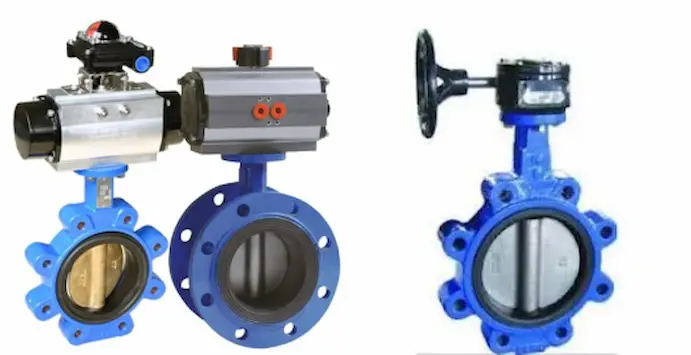
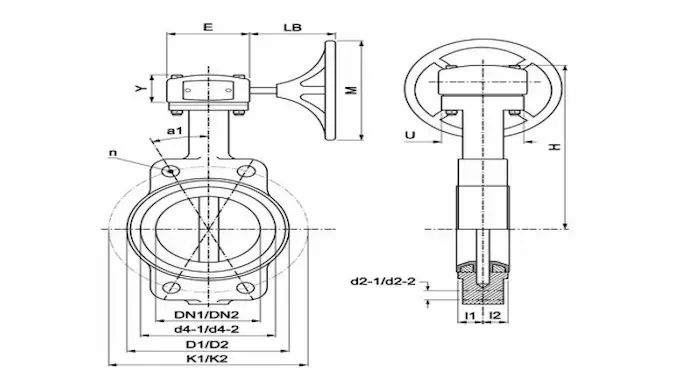
A semi lugged butterfly valve provides threaded lugs on selected sides, allowing partial pipe disconnection without fully supporting end-of-line pressure.
Optimise installation efficiency
Compared with fully lugged designs, semi-lugged valves reduce weight and cost while maintaining better alignment than wafer valves.
Match valve design to system pressure
For low to medium pressure applications, semi-lugged butterfly valves often deliver the most cost-effective solution.
Case Studies and Examples
Water treatment facility retrofit
A municipal water plant replaced ageing wafer valves with semi-lugged butterfly valves to allow sectional maintenance without draining entire lines. Downtime dropped by 18%.
Commercial HVAC system
In a chilled water loop, semi-lugged butterfly valves from Vcore Valve enabled faster actuator replacement while keeping installation costs under control.
Data Comparison
| Valve Type | End-of-Line Capability | Installation Flexibility | Cost Level |
|---|---|---|---|
| Wafer Butterfly Valve | No | Low | Low |
| Semi Lugged Butterfly Valve | Partial | Medium | Medium |
| Fully Lugged Butterfly Valve | Yes | High | High |
Engineering analysis shows that semi lugged butterfly valves achieve up to 85% of the functional flexibility of fully lugged designs at a noticeably lower material and machining cost.
Market Insights
Industrial buyers increasingly favour hybrid designs that reduce total cost of ownership. The semi lugged butterfly valve market is growing steadily in water infrastructure, fire protection systems, and light industrial processing, where absolute end-of-line isolation is not mandatory but maintenance flexibility is valued.
Style / Usage Recommendations
-
Use semi-lugged designs in horizontal pipelines for optimal load distribution
-
Avoid full end-of-line pressure unless explicitly rated
-
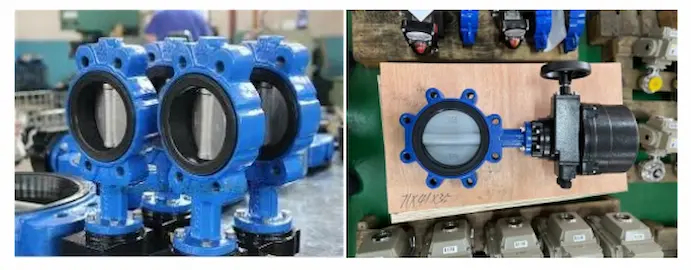
Pair with resilient seats (EPDM, NBR) for water and HVAC services
-
Select ductile iron or carbon steel bodies for long-term durability
Conclusion
A semi lugged butterfly valve is not a compromise—it’s a practical engineering decision. By combining installation flexibility, reasonable cost, and reliable performance, it fills the gap between wafer and fully lugged designs.
If you’re unsure which butterfly valve configuration best suits your project, Vcore Valve engineers are ready to help you select, customise, and supply the right solution.
FAQs
Can a semi-lugged butterfly valve be used at the end of a pipeline?
It can support limited end-of-line service, but only if the design and pressure rating allow it.
Is a semi-lugged valve stronger than a wafer valve?
Yes. The threaded lugs provide improved alignment and mechanical stability.
What industries commonly use semi-lugged butterfly valves?
Water treatment, HVAC, fire protection, and light industrial systems.
Does semi-lugged mean double-flanged?
No. It still installs between flanges, but includes partial lug threading.
Are actuators compatible with semi-lugged butterfly valves?
Absolutely. They are commonly paired with electric or pneumatic actuators.
How do I choose between semi-lugged and fully lugged designs?
Base the decision on pressure, maintenance needs, and budget constraints.
Reference
-
ISO 5752 – Butterfly Valve Face-to-Face Dimensions
-
EN 593 – Industrial Butterfly Valves
-
API 609 – Butterfly Valves Standard