Quick Overview
Proper maintenance and cleaning are crucial for extending the lifespan and ensuring the optimal performance of plastic valves. Cleaning plastic valves regularly prevents issues like clogging, build-up, and performance loss, ensuring their longevity in various industrial applications. This article explores the best practices for cleaning and maintaining plastic valves.
Introduction: The Importance of Cleaning Plastic Valves
Plastic valves are widely used in industries such as water treatment, chemical processing, and food production due to their durability, resistance to corrosion, and versatility. However, plastic valves are susceptible to wear and tear caused by debris and chemicals in the fluid. Regular cleaning helps prevent these issues and enhances the valve’s service life. Without proper care, plastic valves can suffer from blocked flow, leaks, and inefficient operation, leading to costly repairs.
User Pain Points
-
Clogging and Blockages: Over time, debris or chemicals may accumulate inside plastic valves, obstructing flow and causing operational inefficiency.
-
Corrosion and Material Degradation: Although plastic valves are resistant to corrosion, exposure to certain chemicals or extreme temperatures can still cause material degradation.
-
Reduced Valve Performance: Without regular cleaning, plastic valves may experience reduced performance, leading to poor flow control and higher operational costs.
Solutions and Recommendations
-
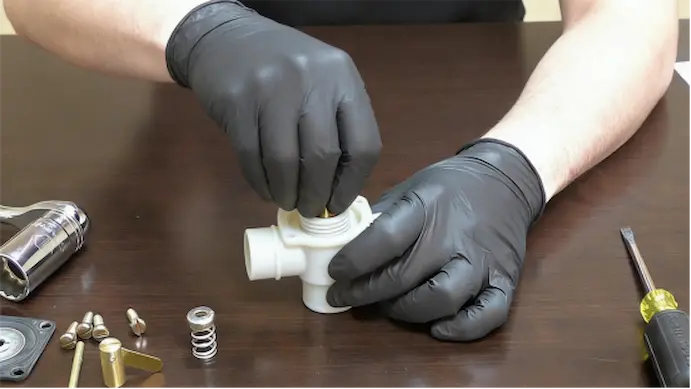
Regular Cleaning: Plastic valves should be cleaned regularly to remove build-up of debris, dirt, or other materials. Cleaning can be done manually or with automated systems, depending on the complexity of the system. Regular cleaning ensures that valves continue to perform optimally.
-
Proper Inspection: Periodic inspection of plastic valves helps identify any potential damage, wear, or corrosion. Inspecting valve seals, bodies, and seals allows for early detection and prevention of failures.
-
Chemical Protection: Protecting plastic valves from exposure to aggressive chemicals can prevent material degradation. Using appropriate coatings or selecting chemical-resistant plastic materials can increase the longevity of the valve.
Case Study: Vcore Valve Maintenance in Practice
A prominent chemical processing plant had been facing issues with their plastic valves, which were becoming clogged and degraded due to exposure to various chemicals. They approached Vcore Valve for a solution.
Solution: Vcore Valve provided a comprehensive cleaning and inspection plan, which included chemical-resistant coatings for their plastic valves and a scheduled cleaning routine to maintain optimal performance.
Result: After implementing the plan, the plant experienced reduced downtime, fewer maintenance calls, and a significant improvement in valve performance. The valves functioned smoothly, ensuring better flow control and reduced costs.
Data Comparison
Below is a comparison of the valve lifespan before and after regular cleaning and maintenance:
| Valve Type | Before Cleaning & Maintenance | After Regular Cleaning & Maintenance | Average Lifespan Increase |
|---|---|---|---|
| Standard Plastic Valve | 3-5 years | 7-10 years | 4-5 years |
| Corrosion-Resistant Valve | 4-6 years | 10-12 years | 6-8 years |
| High-Performance Valve | 2-4 years | 6-8 years | 4 years |
Appropriate cleaning and inspection can reduce deposit-related failures, but actual valve service life depends on material compatibility, pressure, temperature, operating frequency, fluid condition, and installation quality.
Trends in the Plastic Valve Market
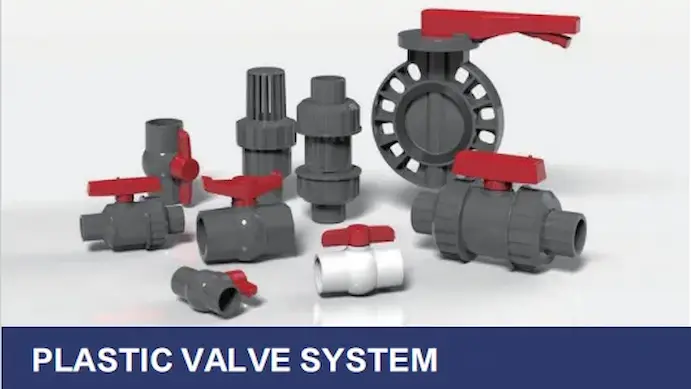
The demand for plastic valves is growing across various sectors due to their durability and cost-effectiveness. The main focus in the market is to improve plastic valve longevity, reduce cleaning efforts, and increase overall performance. Some key trends include:
-
Increased Use of Chemical-Resistant Materials: Manufacturers are focusing on materials that can withstand harsh chemicals and extreme temperatures.
-
Smart Valve Technologies: Integration of IoT and sensors to monitor valve performance, detect issues early, and automate cleaning processes.
-
Automated Cleaning Systems: More industries are adopting automated systems for cleaning plastic valves, ensuring efficiency and reducing manual intervention.
Usage Suggestions for Maintaining Plastic Valves
To prolong the life of plastic valves, it is essential to choose the right cleaning methods and materials based on the environment in which the valve operates. In high-chemical environments, using valves made from high-performance plastics like PVC or CPVC ensures better resistance to corrosion.
Conclusion
Proper cleaning and maintenance are essential to ensuring the longevity and performance of plastic valves. By incorporating regular inspections, cleaning routines, and using protective coatings, industries can extend the service life of their plastic valves, minimize downtime, and improve overall operational efficiency. By following these best practices, businesses can enjoy the full benefits of their plastic valves for years to come.
FAQs
-
Why is cleaning plastic valves regularly important?
Regular cleaning helps remove build-up of debris and chemicals, preventing blockages and maintaining smooth operation. -
How often should plastic valves be cleaned?
Inspection and cleaning intervals should be determined by fluid cleanliness, deposit formation, pressure-drop trends, operating frequency, service criticality, and the valve manufacturer’s instructions. -
Can automated cleaning systems be used for plastic valves?
Yes, automated cleaning systems are an effective way to ensure consistent and thorough cleaning without manual effort. -
What materials are best for plastic valves exposed to harsh chemicals?
PVC, CPVC, and polypropylene are excellent choices for plastic valves exposed to chemicals, as they are resistant to many corrosive substances. -
How can I protect plastic valves from material degradation?
Using chemical-resistant coatings or selecting high-performance plastic materials can protect valves from degradation and extend their lifespan.