
Cast vs Forged Ball Valve: What Buyers Should Specify for Process Service
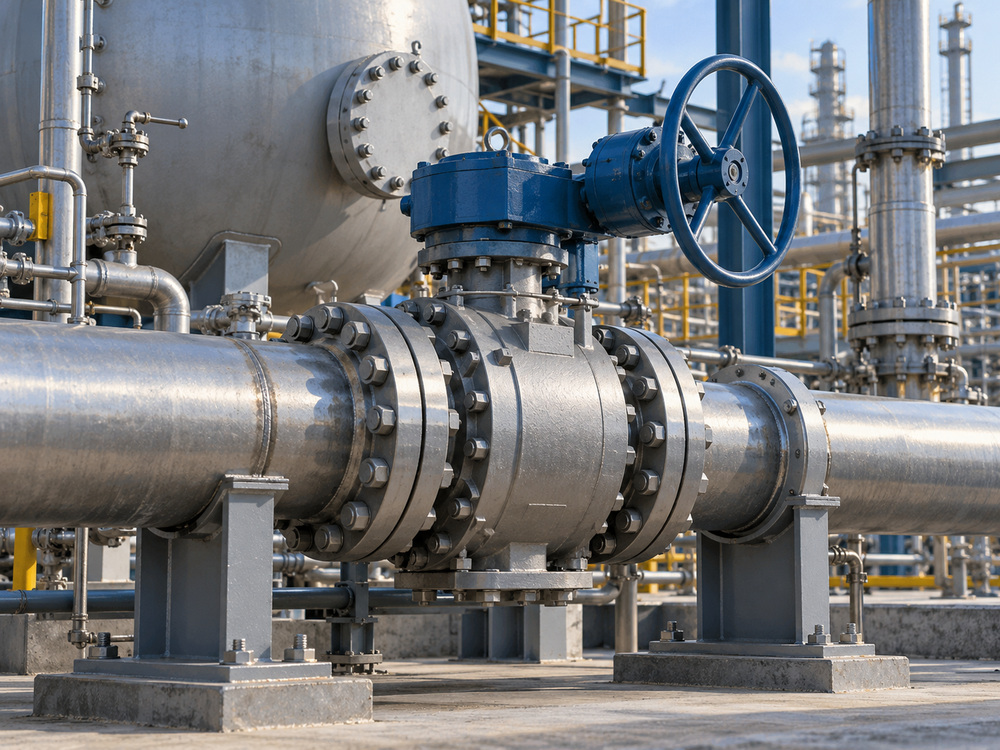
Cast vs Forged Ball Valve: What Buyers Should Specify for Process Service Quick Summary: Select a cast or forged ball valve by the approved piping class, fluid, size, pressure–temperature envelope and inspection scope. Cast bodies can be an economical option for qualified industrial-water and chemical-transfer duties; forged bodies may be specified for compact high-pressure equipment […]
Gate Valve for Refinery Service at 425°C: What Buyers Should Specify

Specify a gate valve for refinery service at 425°C: review hot hydrocarbons, pressure ratings, trim, emissions, coking risk and inspection documents.
PTFE Lined Valves During Pipeline Flushing: How to Prevent Lining Damage
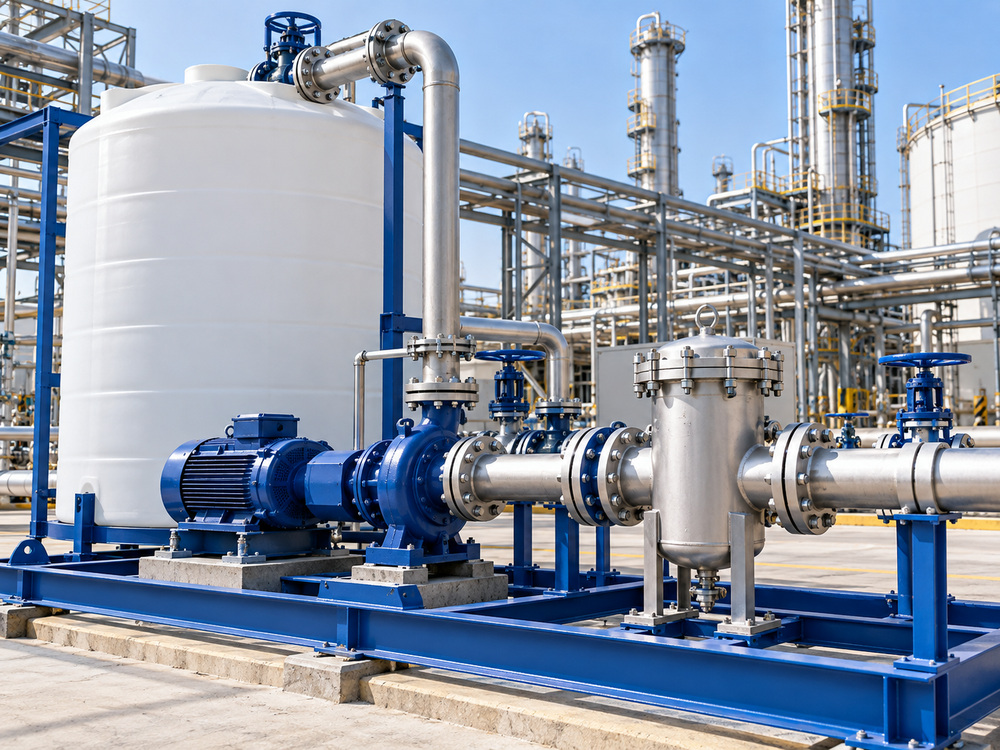
PTFE Lined Valves During Pipeline Flushing: How to Prevent Lining Damage Quick Summary: Protect PTFE lined valves during pipeline flushing by reviewing the temporary cleaning duty separately from normal operation. Assess whether vulnerable valves should be removed, isolated behind an approved bypass arrangement or retained under a manufacturer-approved flushing procedure. Control hard debris, valve position, […]
Cryogenic Valve Drying After Hydrotesting: What LNG Buyers Should Specify
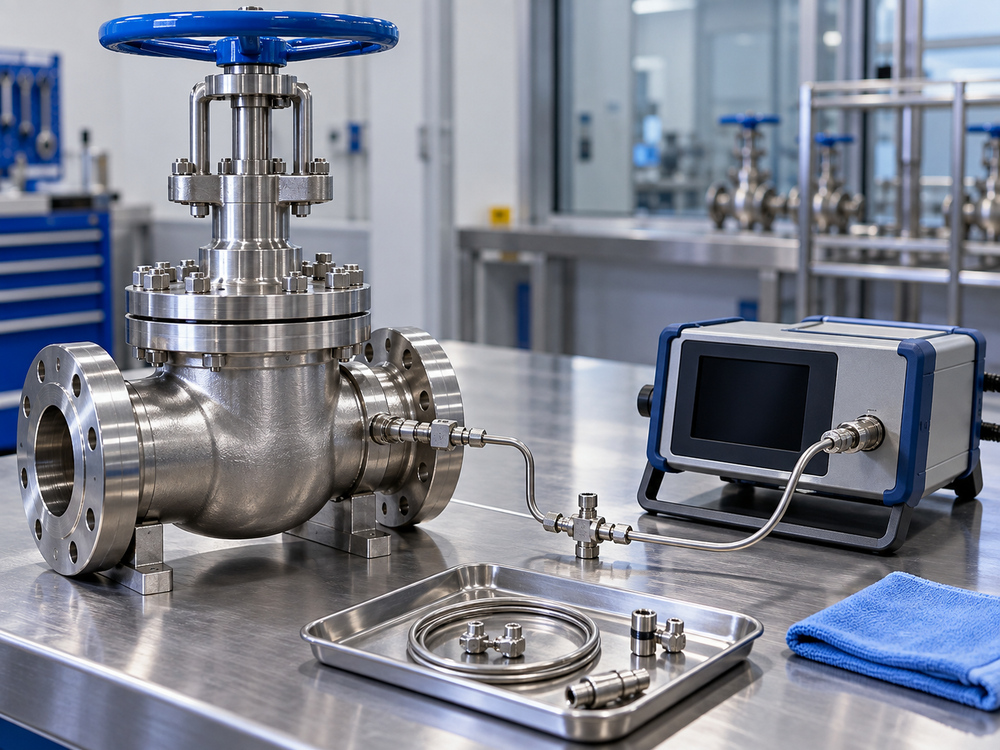
Cryogenic Valve Drying After Hydrotesting: What LNG Buyers Should Specify Quick Summary: Cryogenic valve drying after hydrotesting should be a defined inspection and preservation activity. LNG buyers should specify the approved drying method, how internal cavities are addressed, the moisture acceptance criterion and measurement conditions, the required records, and protection against moisture entering again. A […]
Industrial Valve Failure Guide: 8 Common Failure Modes, Warning Signs and Prevention Strategies
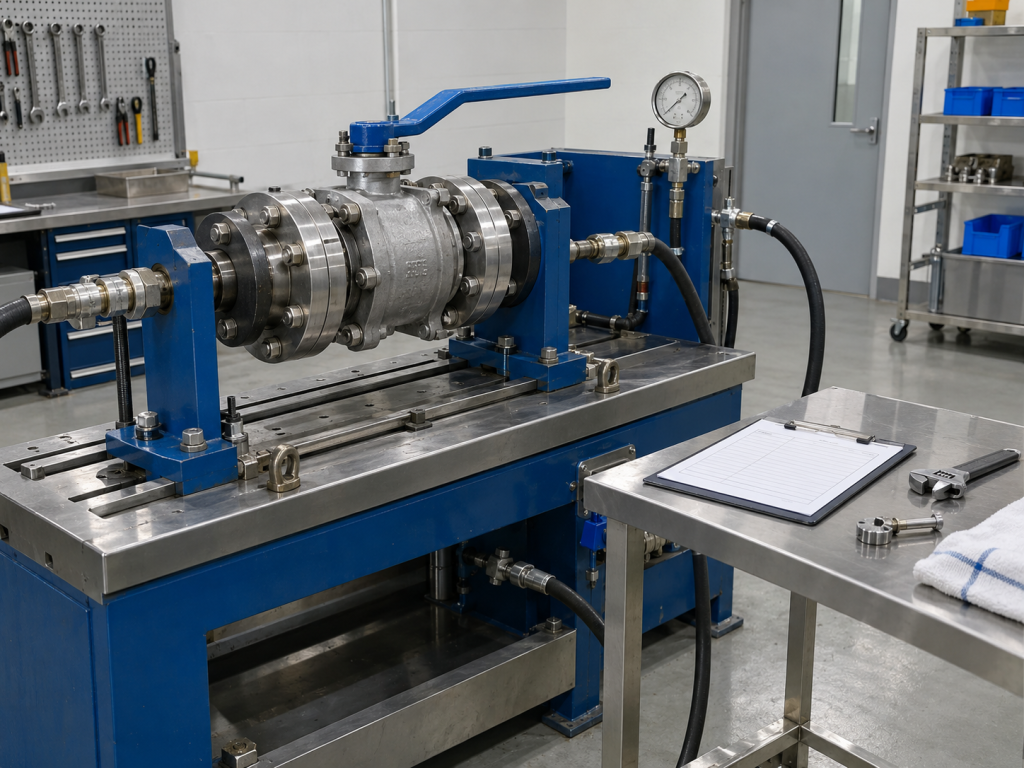
Quick Summary:Industrial valve failure is usually the end result of a mismatch between the valve package and the real service condition, a defect that was not detected before installation, or degradation that was not identified early enough. Common failure modes include internal seat leakage, external stem or body-joint leakage, cavitation and erosion, corrosion, mechanical sticking […]
Maintaining Clean Plastic Valves for Longevity: Best Practices and Tips
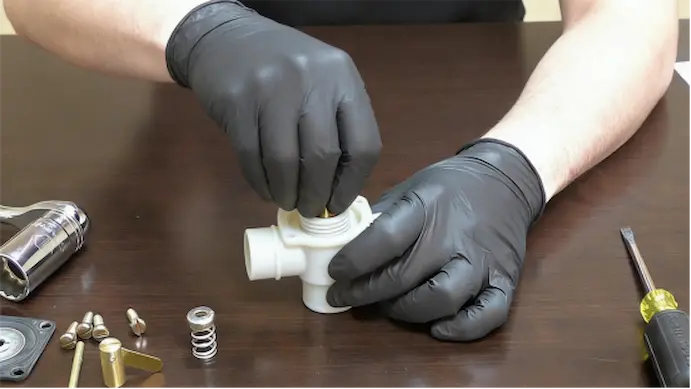
Learn how to clean and maintain plastic valves to prevent deposits, blockage, leakage, restricted flow, and premature material degradation. The guide covers inspection, cleaning-method selection, chemical compatibility, seal and body checks, maintenance scheduling, and operating practices that help extend valve service life in water-treatment and chemical-processing systems.
How to Extend the Service Life of Your Globe Valve
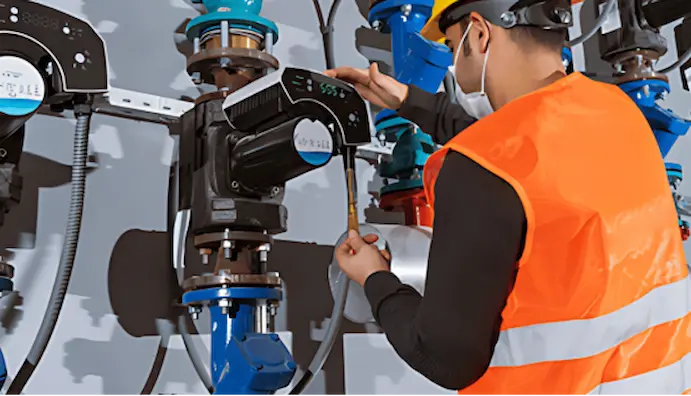
Learn how proper globe valve maintenance can extend service life, reduce leakage, control operating torque, and prevent premature valve failure. The guide explains routine inspection, stem and thread lubrication, packing checks, seat and disc wear, thermal cycling effects, throttling-related erosion, maintenance records, and practical service-life practices for steam, chemical, high-temperature, and industrial process systems.
Valve Pressure Testing: Methods, Standards and Inspection Requirements

Learn valve pressure testing methods, shell test vs seat test vs backseat test, standards (API 598, API 6D, ISO 5208, EN 12266), test media, documentation, and RFQ requirements.