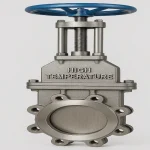
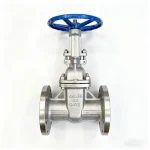
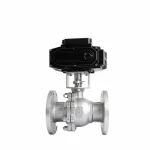
Quick Overview
Valve bonnets play a critical role in ensuring the reliability, performance, and safety of industrial valves. These components are often overlooked but are essential in sealing, maintaining pressure, and ensuring the proper functioning of valves in various industrial systems. Understanding the significance of valve bonnets can help businesses optimize valve performance and reduce maintenance costs.
Introduction: What is a Valve Bonnet and Why Does It Matter?
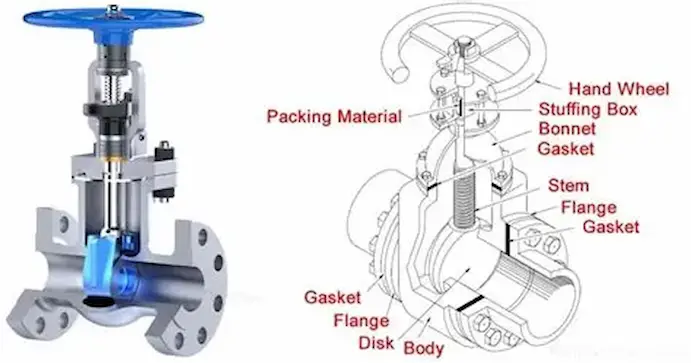
A valve bonnet is the component that covers the valve body, protecting the inner workings of the valve, including the valve stem, seals, and actuator. It is one of the most critical components in a valve’s design, directly influencing the overall performance, safety, and longevity of the valve.
In this article, we will explore the function of valve bonnets, the types available, and why selecting the right one for your industrial valves is crucial for optimal performance.
Pain Points in Valve Bonnet Selection
1. Seal Failure
A faulty or improperly selected valve bonnet can result in leaking, which can damage the valve, disrupt operations, and lead to hazardous situations.
2. Corrosion Resistance
Valve bonnets exposed to extreme temperatures or aggressive chemicals are vulnerable to corrosion, which can significantly reduce their lifespan and performance.
3. Pressure Loss
An improperly designed or worn-out bonnet can lead to pressure loss in the system, compromising the efficiency of the entire valve and the system it controls.
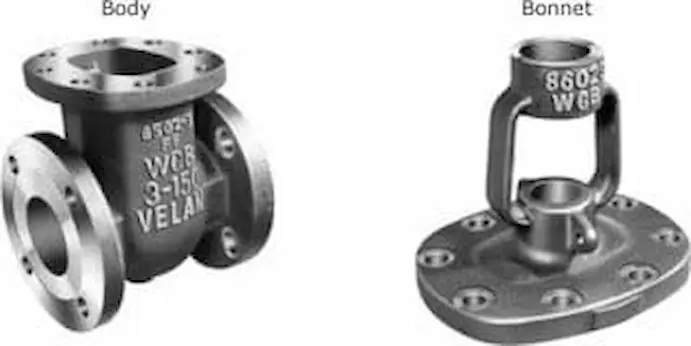
Solutions for Optimal Valve Bonnet Performance
1. Select Durable Materials
Materials such as stainless steel, alloy steel, or corrosion-resistant alloys are ideal for valve bonnets in high-pressure and high-temperature applications, ensuring longevity and resistance to wear and corrosion.
2. Ensure Proper Seal Design
Valve bonnets with effective sealing mechanisms, such as metal-to-metal or soft seals, prevent leakage and maintain pressure within the system, minimizing downtime and maintenance needs.
3. Choose the Right Bonnet Type for the Application
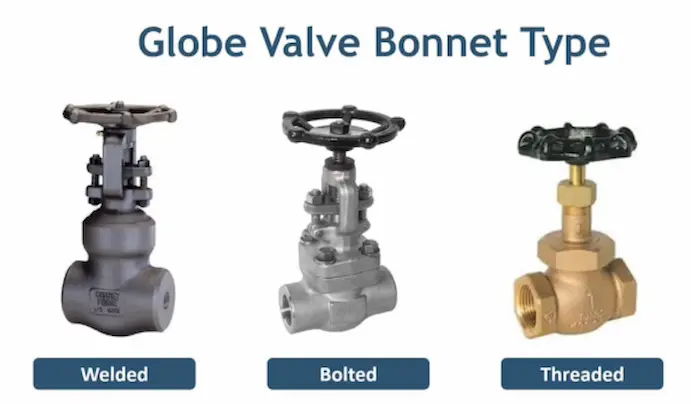
Different valve applications require different bonnet designs. For example, bolted bonnets are often used in high-pressure systems, while welded bonnets are preferred for applications requiring enhanced sealing integrity and corrosion resistance.
Case Study: Optimizing Valve Performance with a Quality Bonnet Design
In a chemical processing plant, the use of high-quality valve bonnets made of alloy steel improved valve performance significantly. The plant used valves equipped with bolted bonnets, which enhanced the sealing capabilities under high temperatures and pressure. As a result, the plant reduced its maintenance costs by 20%, ensuring the valves’ longevity and reliable performance in challenging operating conditions.
Data Comparison
Valve bonnets are critical for pressure retention, sealing efficiency, and longevity. The table below compares various bonnet types in terms of material, sealing effectiveness, and suitability for different industrial applications:
| Bonnet Type | Material | Sealing Effectiveness | Best For |
|---|---|---|---|
| Bolted Bonnet | Stainless Steel | Excellent | High-pressure systems |
| Welded Bonnet | Alloy Steel | Very High | Corrosive environments and high integrity |
| Union Bonnet | Cast Steel | Good | Moderate pressure systems |
Trends Insights
The valve industry is seeing an increasing trend towards the use of more advanced materials in bonnet construction. Materials like duplex stainless steel, which offer superior corrosion resistance, are gaining popularity in industries such as petrochemical and marine. Additionally, the demand for more reliable sealing solutions is driving innovations in gasket and seal technologies for bonnets, ensuring tighter sealing and improved safety.
Style Suggestions
When selecting a valve bonnet for your application, it is important to consider the environmental factors such as temperature, pressure, and exposure to chemicals. For high-temperature applications, it’s recommended to use a bolted bonnet made from heat-resistant alloys. For more corrosive applications, welded bonnets made from duplex stainless steel offer the best protection.
Additionally, regular maintenance and inspection of the bonnet’s sealing elements will ensure the continued reliability and performance of your valves.
Conclusion
The valve bonnet is a crucial component in maintaining the performance, safety, and durability of industrial valves. By understanding the various types of bonnets and their suitability for different applications, businesses can make informed decisions that improve operational efficiency, reduce downtime, and extend the life of their valve systems. To learn more about how the right bonnet can optimize your valve performance, contact Vcore Valve today.
FAQs
1. What does a valve bonnet do?
A valve bonnet protects the valve’s inner components, including the valve stem, seals, and actuator, ensuring proper sealing and pressure retention.
2. What are the different types of valve bonnets?
The main types of valve bonnets include bolted, welded, and union bonnets. Each type has specific benefits depending on the application’s pressure, temperature, and sealing requirements.
3. Why is sealing important in a valve bonnet?
Sealing is crucial to prevent leakage, maintain system pressure, and ensure the valve operates efficiently. Effective sealing minimizes maintenance and prevents damage to the valve system.
4. How do I choose the right valve bonnet?
The right bonnet depends on factors such as the operating pressure, temperature, and the potential for corrosion. Consult with a valve expert to determine the best material and design for your specific needs.
5. Can valve bonnets be replaced?
Yes, valve bonnets can be replaced when damaged or worn out. Regular inspections will help identify the need for replacement before it leads to valve failure.
Reference
-
Valve Components and Their Functions