Quick Overview
Jacketed valves are integral components in industries dealing with high-temperature fluids or where precise temperature control is crucial. This article will provide a detailed overview of jacketed valves, including their functions, types, and the key benefits they offer in industrial applications.
Introduction to Jacketed Valves
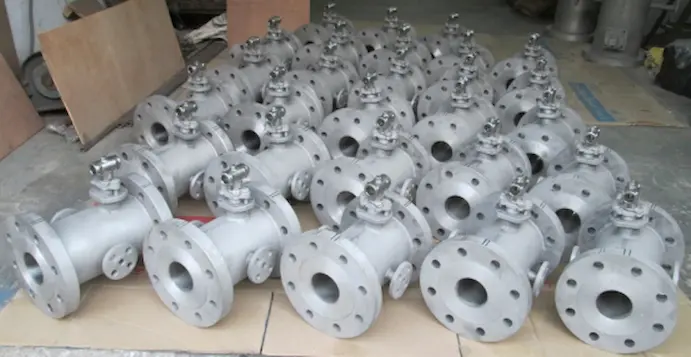
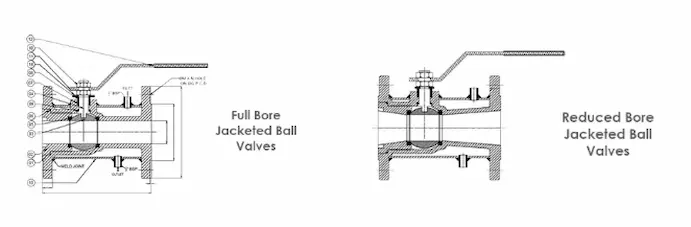
Jacketed valves are special valve designs that incorporate a protective outer layer or jacket. This jacket allows for the circulation of thermal fluids around the valve body, offering precise temperature control and preventing freezing, overheating, or contamination of the valve’s internal mechanisms. They are commonly used in applications involving high-viscosity or hazardous materials that need temperature regulation during the flow process.
Typically used in chemical, food processing, and pharmaceutical industries, jacketed valves ensure consistent flow and prevent blockages or malfunctions caused by extreme temperatures.
User Pain Points
-
Temperature Instability and Control
-
Without proper temperature regulation, materials passing through valves can freeze or overheat, causing blockages and malfunctions.
-
-
Valve Damage from High-Viscosity Fluids
-
High-viscosity fluids can cause strain on valve parts, making them prone to failure and leading to frequent maintenance.
-
-
Risk of Contamination
-
In industries such as food processing and pharmaceuticals, there is a high risk of contamination if the valve is not maintained at a specific temperature.
-
Solutions and Best Practices for Jacketed Valves
-
Optimal Temperature Control
-
The jacket surrounding the valve body ensures that the material flowing through the valve remains at the optimal temperature, avoiding freezing or overheating. Heat transfer fluids such as hot water, steam, or glycol are typically used in the jacket to maintain temperature stability.
-
-
Use in High-Viscosity and Hazardous Fluid Systems
-
Jacketed valves are designed to handle materials like viscous oils, waxes, or chemicals that require constant heating to maintain flowability. They provide effective thermal management, preventing materials from solidifying and causing clogs.
-
-
Prevent Contamination with Temperature Regulation
-
In sensitive industries like pharmaceuticals, maintaining the correct temperature inside the valve reduces the chances of contamination. The jacket helps to prevent external elements from affecting the internal flow of critical substances.
-
Case Study: The Role of Jacketed Valves in Food Processing
In a food processing plant, a client faced frequent blockages in their production line due to the freezing of high-viscosity syrups. After installing jacketed valves, they were able to maintain the ideal temperature for syrup flow. As a result, they noticed a significant reduction in downtime, improved production efficiency, and an increase in overall product quality. This successful integration not only improved the process but also ensured that the syrups met the required food safety standards.
Data and Scientific Analysis
Jacketed Valve Temperature Control
Jacketed valves provide superior control over the internal and external temperatures, which is particularly important when handling materials sensitive to temperature changes. Here’s a comparison of temperature regulation effectiveness:
| Valve Type | Temperature Range | Common Applications |
|---|---|---|
| Standard Valve | -20°C to 150°C | General purpose liquids |
| Jacketed Valve | -50°C to 300°C | High-viscosity, hazardous fluids |
Jacketed valves, with their enhanced temperature range, are indispensable for processes requiring consistent heat or cooling, ensuring that fluids flow smoothly and without risk of crystallisation or overheating.
Trends and Market Insights
The demand for jacketed valves has seen significant growth due to their role in temperature-sensitive industries. As industries shift towards more automated systems, the integration of jacketed valves into automated process controls is becoming a key trend. These valves help improve overall system efficiency and reduce the need for manual temperature adjustments, aligning with the industry’s move towards automation.
Moreover, with the increasing demand for eco-friendly and energy-efficient solutions, jacketed valves are now being made with improved insulation materials that reduce heat loss and lower energy consumption.
Style Recommendations
When selecting jacketed valves, it is crucial to ensure the jacket material is compatible with the fluid being circulated. For example, steam might require specific materials for the jacket to prevent corrosion, while glycol-based solutions might need valves designed for higher flexibility.
Regular maintenance is essential for ensuring the longevity of jacketed valves. This includes checking for leaks in the jacket, inspecting the seal integrity, and ensuring the thermal fluid is circulating correctly to maintain the desired temperature range.
Conclusion: Why Jacketed Valves are Essential for High-Temperature Fluid Control
Jacketed valves provide a robust solution for industries dealing with high-temperature or high-viscosity fluids. By ensuring precise temperature control and preventing blockages, these valves enhance the efficiency, safety, and reliability of fluid systems. Whether you’re dealing with chemicals, pharmaceuticals, or food processing, jacketed valves are an essential investment for maintaining optimal performance.
Key Takeaways:
-
Thermal Control: Jacketed valves maintain fluid temperature, preventing freezing or overheating.
-
Flow Consistency: Ideal for high-viscosity fluids, they maintain smooth flow, reducing the risk of blockages.
-
Industry-Specific Solutions: Perfect for industries that require temperature-sensitive processes, such as food processing and pharmaceuticals.
FAQs
-
What is the purpose of a jacketed valve?
-
Jacketed valves maintain a constant temperature around the valve body to regulate high-viscosity or hazardous fluids, preventing freezing or overheating.
-
-
Can jacketed valves be used in food processing?
-
Yes, jacketed valves are widely used in food processing to ensure smooth flow of syrups, oils, and other temperature-sensitive ingredients.
-
-
How does the jacket work in a jacketed valve?
-
The jacket is a surrounding layer that circulates a heat transfer fluid like steam, hot water, or glycol to maintain the ideal temperature of the valve and the fluid within it.
-
-
What materials are used for jacketed valve construction?
-
Jacketed valves are often made from corrosion-resistant materials such as stainless steel or alloy-based metals to withstand temperature fluctuations and chemical reactions.
-
-
What are the main benefits of using jacketed valves?
-
The primary benefits include consistent temperature control, smooth flow of viscous materials, and prevention of material contamination in sensitive industries.
-