Quick Overview
Cryogenic valves are crucial in systems that handle extremely low temperatures. These valves require special considerations during installation to ensure they perform efficiently and maintain safety. In this article, we explore the critical installation requirements for cryogenic valves, best practices, and common challenges faced during the process.
Introduction to Cryogenic Valves
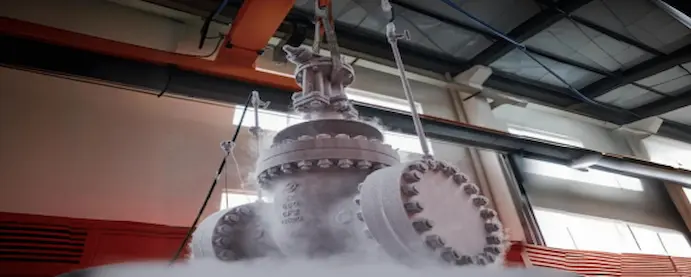
Cryogenic valves are used in industries like liquefied natural gas (LNG), cryogenics, and liquid oxygen. They control the flow of fluids at temperatures as low as -196°C, and ensuring proper installation is key to preventing operational failures and ensuring safety.
Installing cryogenic valves requires attention to material compatibility, temperature resistance, and sealing mechanisms. Incorrect installation can lead to system failures, leaks, and even catastrophic accidents.
User Pain Points
-
Risk of Leaks and Seal Failure
-
Cryogenic temperatures can cause materials to contract, putting strain on seals and leading to leaks.
-
-
Misalignment During Installation
-
Valve misalignment during installation can disrupt fluid flow and compromise valve performance.
-
-
Material Compatibility Issues
-
Using materials that are not suitable for cryogenic temperatures can lead to cracking, reduced valve life, and failure.
-
Solutions and Best Practices
-
Choosing the Right Materials
-
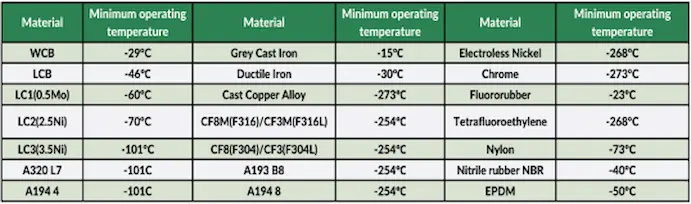
Always use valves and seals made from materials designed for cryogenic conditions such as stainless steel and special alloys. Materials should be able to withstand extreme temperature fluctuations without cracking.
-
-
Proper Installation Alignment
-
Ensure that cryogenic valves are installed with precision, aligning all components correctly to prevent stress on the valve body and to maintain seal integrity.
-
-
Leak Testing and Pressure Testing
-
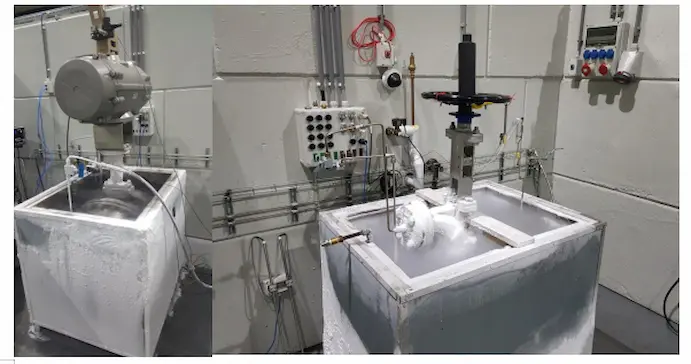
Before putting cryogenic valves into full operation, conduct thorough leak testing at the system’s operating pressures. This ensures that no gas or liquid will escape during use.
-
Case Study: Cryogenic Valve Installation in LNG Facilities
In one LNG facility, a major operator faced frequent valve failures due to improper installation of cryogenic valves. A thorough investigation revealed that poor alignment and incorrect material choices were to blame. After switching to stainless steel cryogenic valves with proper sealing materials and realigning the installation, the facility reported a 40% reduction in valve failures, significantly improving uptime and reducing maintenance costs.
Data Comparison
When compared to standard valves, cryogenic valves are engineered with robust materials and tighter tolerances to handle the extreme cold. Cryogenic valves often feature a lower friction design to facilitate smoother operations under low temperatures, preventing jams and increasing reliability.
Comparison of Valve Materials:
| Valve Type | Material | Suitable for Cryogenics? | Temperature Tolerance |
|---|---|---|---|
| Standard Valve | Carbon Steel | No | -20°C to 100°C |
| Cryogenic Valve | Stainless Steel | Yes | -196°C to 100°C |
Trends and Market Insights
The global cryogenic valve market is steadily growing, driven by the increasing demand for LNG and other cryogenic applications. This growth highlights the need for more advanced valve technologies and high-quality materials that can withstand the rigorous demands of low-temperature operations.
Industry trends show a rise in the use of automated cryogenic valves, providing better control and reducing human error in the installation and operation process. This technology is expected to improve safety and efficiency in industries relying on cryogenic systems.
Style Recommendations
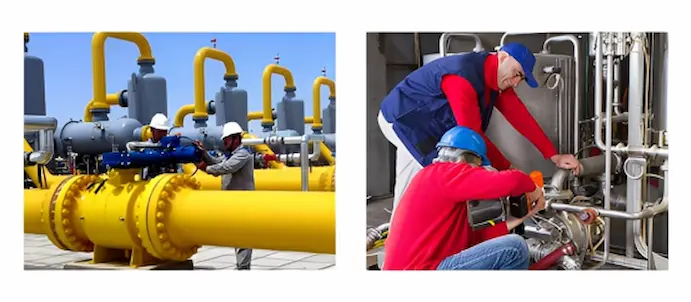
Cryogenic valves should be installed by trained professionals with expertise in cryogenic systems. It’s recommended that all valves undergo regular maintenance, such as periodic checks for leaks, proper lubrication, and alignment. Keeping these valves in peak condition can prevent costly downtime and ensure the safety of operations.
Conclusion: Actionable Steps for Optimal Cryogenic Valve Installation
To ensure the successful installation and longevity of cryogenic valves, always:
-
Select materials designed for extreme cold temperatures.
-
Pay close attention to alignment and positioning during installation.
-
Perform comprehensive leak and pressure tests before starting operations.
By following these best practices, you can significantly enhance the reliability and safety of your cryogenic valve systems.
FAQs
-
What is the temperature range for cryogenic valves?
-
Cryogenic valves are designed to function effectively in temperatures as low as -196°C.
-
-
Why is proper material selection important for cryogenic valves?
-
Materials must be compatible with extreme cold to prevent cracking, leakage, and premature valve failure.
-
-
Can cryogenic valves be used for gases other than LNG?
-
Yes, cryogenic valves are used for a variety of applications, including liquid oxygen, nitrogen, and hydrogen.
-
-
What tests should be conducted before commissioning cryogenic valves?
-
Thorough leak testing and pressure testing should be performed to ensure the valve operates correctly under real-world conditions.
-
-
How often should cryogenic valves be maintained?
-
Cryogenic valves should undergo periodic maintenance, ideally every six months, depending on usage and environmental factors.
-