Quick Overview
Control valves are integral components of industrial systems, used to regulate the flow, pressure, and temperature of fluids. One of the most common questions is whether control valves should always be in the open position. In this article, we’ll explore the ideal operating positions for control valves, their role in fluid control, and best practices for optimal valve performance.
Opening Scenario
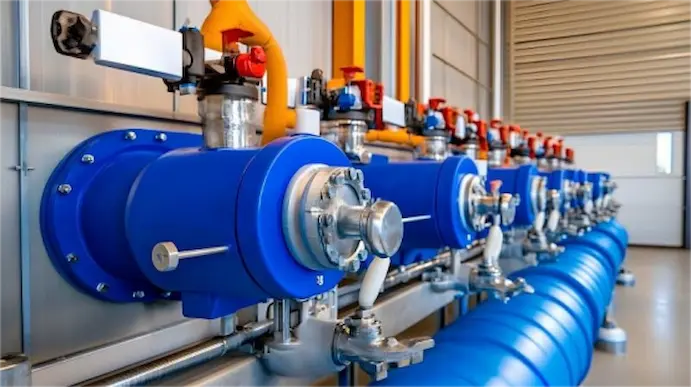
Imagine an industrial plant where control valves regulate the flow of water, chemicals, or gas throughout the system. Operators often debate whether control valves should be fully open or closed during certain processes. The answer depends on the specific application and the function of the valve in the system. If not managed correctly, improper positioning can lead to inefficiencies, safety concerns, and unnecessary wear on the valve components.
Pain Points
Understanding the proper operation of control valves is crucial to system efficiency. However, there are several common challenges faced by engineers and operators:
1. Wasted Energy and Inefficiency
If control valves are left in the open position without any regulation of flow, systems may consume excessive energy, leading to inefficiency. This is particularly noticeable in high-pressure applications where energy is wasted due to unregulated flow.
2. System Instability
Improper valve positioning can lead to system instability. For example, a valve that is too open or too closed may disrupt the flow of fluids, causing pressure spikes or drops that affect downstream processes. This could compromise safety and the accuracy of the process.
3. Increased Wear and Tear
Frequent adjustments and mismanagement of valve positions lead to increased wear on the valve internals. Constantly running a control valve at an extreme open or closed position can cause valve components to degrade faster, leading to costly maintenance and downtime.
Solutions
To improve control valve performance and prevent the issues mentioned above, here are several practical solutions:
1. Use of Positioners
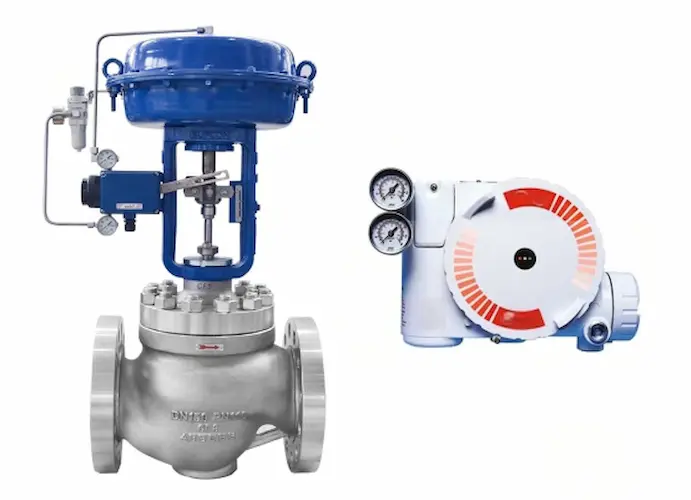
Positioners are devices that ensure control valves are always in the correct position for optimal operation. They regulate the valve’s position and keep it within the desired range, ensuring that flow and pressure remain stable without wasting energy or causing system instability.
For example, the Pneumatic Control Valve provides precise control with integrated positioners, allowing for accurate adjustments in flow regulation.
2. Regular Maintenance and Calibration
Regular maintenance and calibration of control valves ensure that they operate correctly. By periodically checking valve positions and calibrating the actuators, operators can reduce wear and tear while maintaining consistent performance.
3. Installation of Proper Flow Control Systems
Using flow control systems that include pressure relief valves and flow meters in conjunction with control valves can help regulate the overall flow within the system, maintaining a balance between open and closed positions for maximum efficiency.
For example, the Cast Steel Y-Type Strainer is designed to provide efficient filtration and improve overall system flow control.
At Vcore Valve, we offer reliable control valves and related solutions for optimal system performance. Whether you need precise flow regulation valves or filtration systems, we have you covered.
Case Study
A chemical plant faced inefficiencies with its control valves, which were either fully open or fully closed, leading to high energy consumption and inconsistent flow control. By introducing valve positioners and recalibrating the system, the plant achieved a 20% reduction in energy costs. Additionally, the plant improved system stability by ensuring that the valves remained at optimal positions based on real-time requirements.
Data Analysis
| Control Valve Position | Advantages | Disadvantages | Best Use Case |
|---|---|---|---|
| Fully Open | High flow rate, minimal obstruction | High energy consumption, instability in systems | Rapid flow processes, safety relief applications |
| Fully Closed | Prevents flow, isolates sections | Can cause pressure surges, system disruption | Emergency shutoffs, system isolation |
| Partially Open | Energy-efficient, stable flow | Requires careful monitoring | Flow regulation, pressure control |
The table shows the advantages and disadvantages of various control valve positions, helping operators decide the ideal configuration for specific applications.
Trends
1. Smart Control Systems
The rise of smart control systems has revolutionised how control valves are managed. With the integration of IoT and real-time monitoring, operators can continuously adjust valve positions remotely, ensuring optimal flow and pressure management in industrial applications.
2. Energy-Efficient Valve Solutions
With growing emphasis on sustainability, energy-efficient valve technologies are becoming more prevalent. Advances in actuation systems and positioners are enabling more efficient control, reducing both energy costs and system strain.
3. Automation and Predictive Maintenance
Automation is driving the future of valve control, with predictive maintenance tools helping to detect issues before they cause failure. This ensures that control valves are always functioning at their optimal position without the need for constant manual adjustments.
Usage Advice
When choosing control valves for a system, keep the following advice in mind:
1. Understand the Process Needs
The positioning of control valves should depend on the specific needs of the process. For example, flow regulation valves should be positioned to adjust the flow dynamically, while on/off valves should be either fully open or fully closed.
2. Incorporate Positioners for Precision
Integrating positioners into your valve system will improve control and precision, allowing valves to adjust based on real-time needs rather than staying stuck in one position.
3. Consider System Compatibility
Ensure that your control valves are compatible with the rest of your system’s components, including actuators, pressure sensors, and flow meters. This will help maintain smooth operations and reduce the chances of failure.
Conclusion
In industrial systems, control valves are vital for ensuring accurate flow regulation and system stability. Whether they should be in the open or closed position depends on the specific needs of the process. By employing positioners, performing regular maintenance, and integrating smart technologies, operators can significantly enhance the performance of their control valves.
At Vcore Valve, we offer reliable control valves and related solutions for optimal system performance. Whether you need energy-efficient valves or advanced positioning technologies, our products are designed to meet your specific operational needs.
FAQs
1. Should control valves always be open?
No, control valves should be positioned based on the specific needs of the system. They can be partially opened, closed, or fully open, depending on the process requirements.
2. What is the role of a valve positioner?
A valve positioner ensures that a control valve is positioned correctly, whether it needs to be fully open, partially open, or closed, maintaining optimal flow and pressure.
3. Can improper valve positioning damage the system?
Yes, improper positioning can lead to pressure instability, excessive energy consumption, and damage to valve components, resulting in costly repairs and downtime.
4. How can I improve the efficiency of my control valves?
Incorporating positioners, conducting regular maintenance, and using automated control systems can improve the efficiency of control valves and reduce wear.
5. What are the common types of control valves?
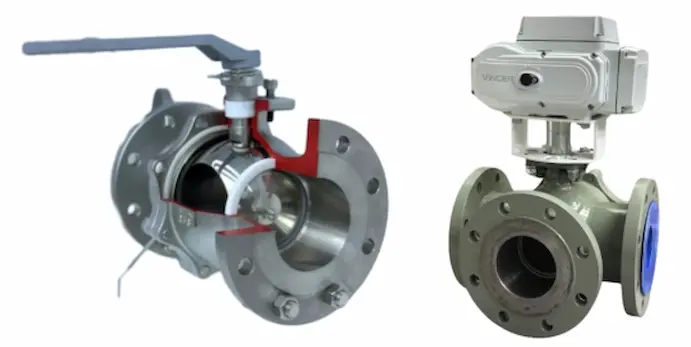
Common types include ball valves, globe valves, and butterfly valves, each offering specific advantages for different applications.
Reference
-
Valve Positioning and Control Technologies – Valve World Magazine
-
Energy Efficient Valve Solutions – Industrial Automation
-
Control Valve Sizing and Selection Guide – Flow Control Handbook