 Understanding the Role of a Rising Stem Gate Valve
In many industrial facilities, valve position needs to be confirmed quickly. Operators often rely on simple visual checks rather than instrumentation, especially in older plants or outdoor pipeline networks. This is one of the practical reasons why the rising stem gate valve remains widely used.
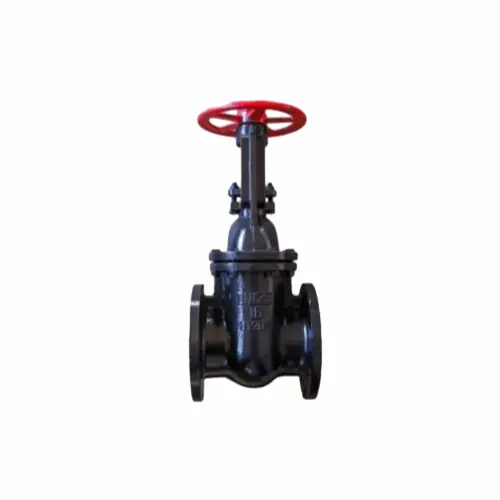
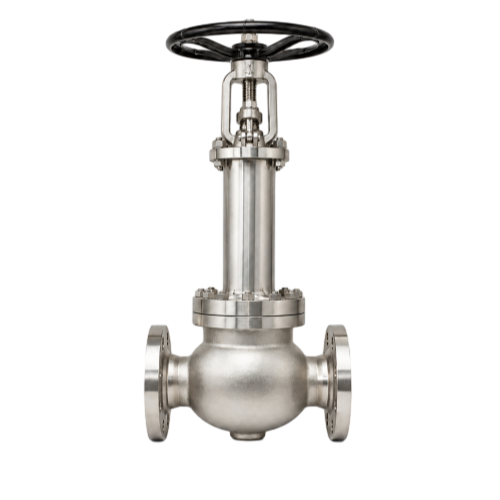
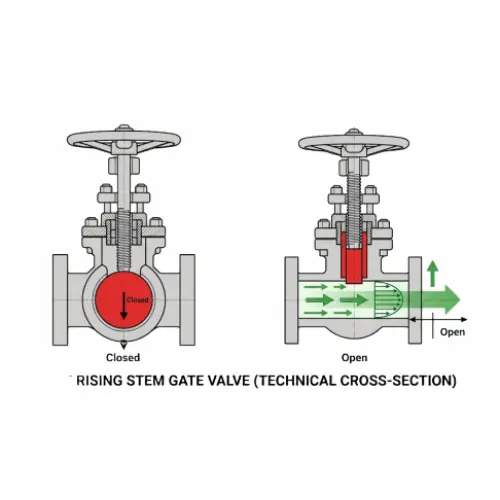
Unlike concealed stem designs, the stem of this valve moves upward when the valve opens. That movement immediately shows whether the line is open or closed. For maintenance crews or plant operators walking through a pipeline corridor, that visual confirmation can save time and prevent mistakes.
At Vcore Valve, we often see this type of valve specified in systems where the pipeline normally stays open for long periods but must be shut off reliably during maintenance or emergency isolation. The valve is not intended for regulating flow. Instead, it works best when fully open or fully closed, acting as a dependable barrier within the pipeline.
What Happens Inside the Valve
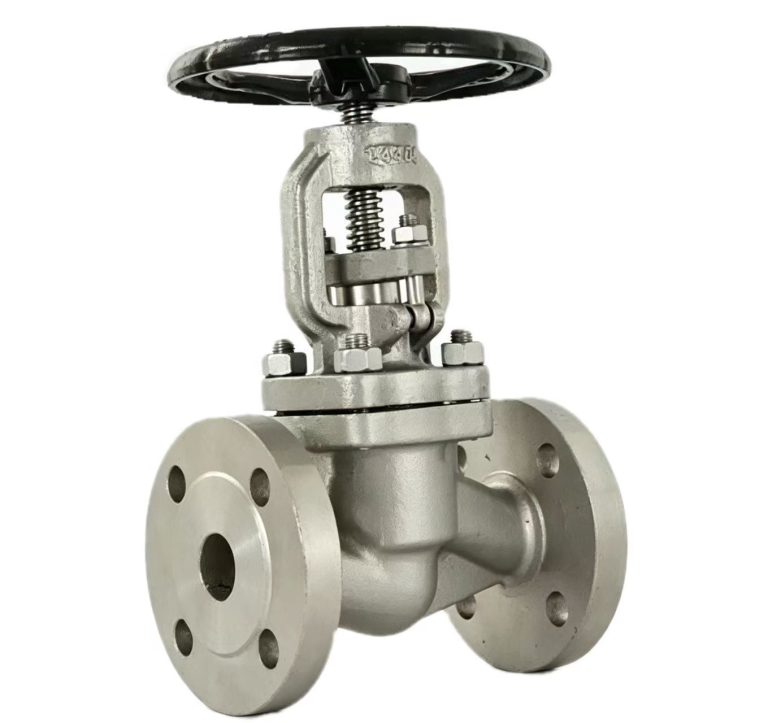
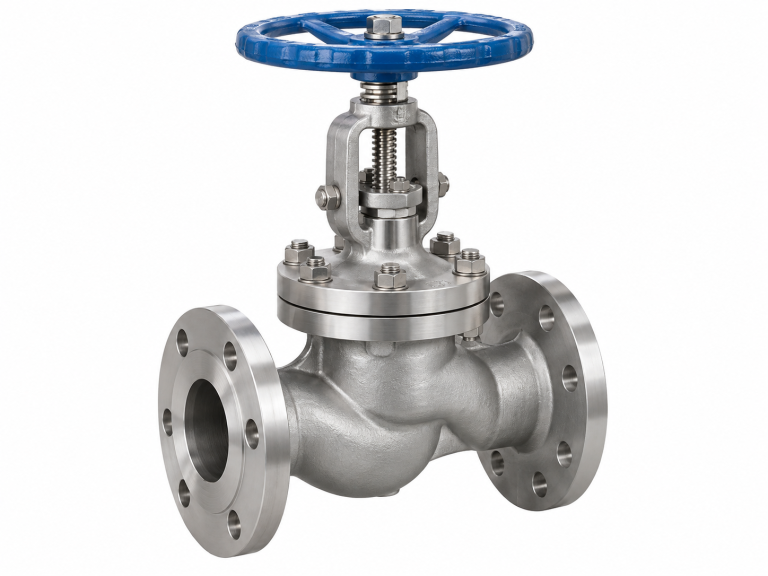
The mechanism behind a rising stem gate valve is mechanically straightforward. Turning the handwheel rotates the stem through an external thread. As the stem rises, it lifts the gate away from the seating surface, allowing the medium to pass through the valve body.
One important detail is that the threaded portion of the stem remains outside the flow path. This configuration, often called an outside screw and yoke (OS&Y) arrangement, protects the threads from direct contact with the process fluid. In water or steam systems where corrosion or deposits can accumulate, keeping the threads outside the valve body helps maintain smoother operation over time.
The gate itself usually takes the form of a wedge. In smaller or moderate-pressure pipelines, a solid wedge is common. In systems where temperature variations cause slight body distortion, a flexible wedge may be used to maintain proper seating.
These design differences may seem small on paper, but they can influence how well the valve seals after repeated cycles or temperature changes.
Where This Valve Is Typically Used
 Where This Valve Is Typically Used
Rising stem gate valves appear in a wide range of pipeline systems, particularly where reliable isolation matters more than frequent operation.
In municipal water networks, they are often installed in distribution lines and pumping stations. Operators appreciate the visible stem position because it makes inspection rounds faster.
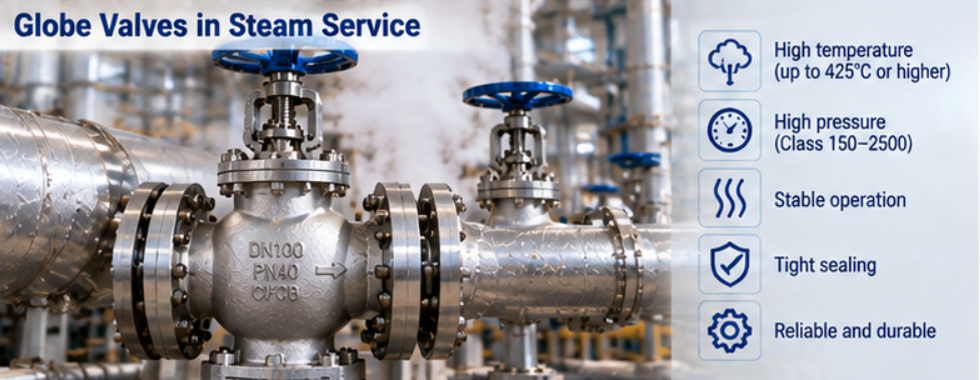
Steam pipelines in industrial plants also frequently use this valve type. When fully open, the gate retracts from the flow path, leaving a straight passage that minimizes resistance. This is helpful in steam systems where pressure drop must be controlled.
Oil and fuel transfer systems sometimes use rising stem gate valves as sectional isolation valves. In these installations, the valve may remain open for months at a time and only close during maintenance work or emergency shutdown procedures.
A Practical Note on Installation
One factor that engineers consider when selecting this valve is the required installation space. Because the stem rises above the valve body when opened, additional vertical clearance is necessary.
In large pipeline galleries or outdoor installations this is rarely an issue. However, in compact equipment rooms or underground valve chambers, the extra height can become a limitation. In those situations, a non-rising stem design may be chosen instead.
Another operational detail involves lubrication. Since the stem threads are exposed to the surrounding environment, periodic lubrication helps maintain smooth operation and prevents wear caused by dust or moisture.
Typical Technical Range
Although configurations vary depending on project requirements, rising stem gate valves supplied by Vcore Valve are commonly manufactured within the following ranges.
| Parameter | Typical Range |
|---|---|
| Size | DN50 – DN600 (2″ – 24″) |
| Pressure Rating | PN10 – PN40 / ANSI Class 150 – 600 |
| Body Material | Carbon Steel, Stainless Steel, Ductile Iron |
| Seat Type | Metal Seat or Soft Seat |
| Temperature Range | -20°C to 425°C |
| End Connections | Flanged, Butt Weld |
| Operation | Handwheel, Gear Operator, Electric Actuator |
These specifications can vary depending on the pipeline standard, operating temperature, and medium being handled.
Choosing the Right Configuration
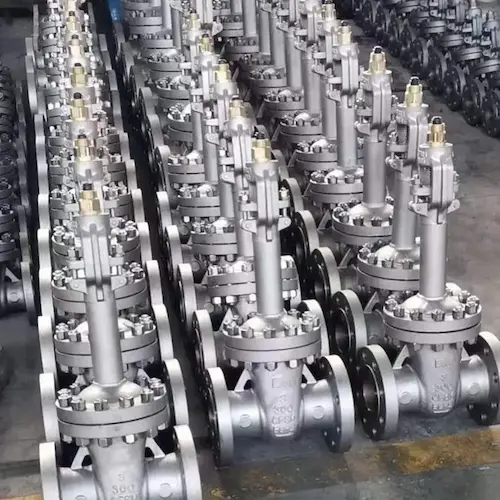 Choosing the Right Configuration
When customers discuss gate valve selection with us, the decision rarely depends on one factor alone. Pressure class, medium, temperature, and maintenance access all influence the final choice.
For example, a steam system may require metal seats to handle temperature loads, while a water distribution network may use softer sealing materials to improve shut-off performance. Similarly, stainless steel bodies might be selected for corrosive environments where carbon steel would require additional protection.
In other words, even though the valve design itself is familiar, the final configuration often reflects the specific conditions of the pipeline where it will be installed.
About Vcore Valve
Vcore Valve manufactures industrial valves for pipeline systems used in water treatment, oil and gas transport, energy facilities, and general process industries. Our focus is not only on meeting dimensional standards but also on ensuring that valves remain reliable after years of service in real operating environments.
FAQs
What is the main advantage of a rising stem gate valve?
The most noticeable advantage is the visible stem movement, which allows operators to quickly confirm whether the valve is open or closed.
Can a rising stem gate valve regulate flow?
It is generally not recommended for throttling. Gate valves perform best when used for full shut-off or full flow conditions.
Why are the stem threads located outside the valve body?
Keeping the threads outside the flow path protects them from corrosion, deposits, and process fluids that could interfere with smooth operation.
Where are rising stem gate valves commonly installed?
They are widely used in water distribution systems, steam lines, oil pipelines, and industrial utility networks.
What is the main limitation of this design?
The valve requires additional vertical space because the stem rises when the valve opens.