 Product Overview
In many industrial pipeline systems, corrosion rarely appears suddenly. It usually develops slowly after years of exposure to aggressive media such as seawater, chloride solutions, or oxidizing chemicals. Valves installed in these environments are often the first components to show signs of degradation, especially around sealing areas and threaded connections.
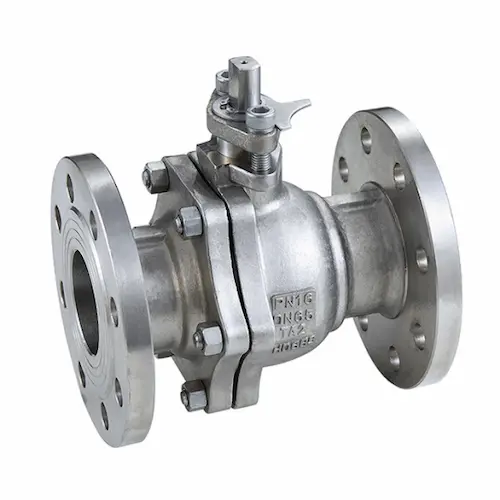
A titanium ball valve is typically selected for these conditions because titanium behaves differently from common steels. Instead of relying on coatings or alloy additives to resist corrosion, titanium naturally forms a stable oxide layer when exposed to oxygen. This passive film protects the underlying metal from chemical attack and can regenerate automatically if the surface is scratched or worn.
For this reason, titanium valves are frequently used in industries where long-term corrosion stability is essential. Desalination plants, offshore platforms, and chemical transfer pipelines are typical examples where conventional carbon steel or stainless steel valves may require frequent replacement.
Material Characteristics and Corrosion Behavior
Titanium alloys used in industrial valves are known for their resistance to pitting corrosion and crevice corrosion. Stainless steels such as 304 or 316 perform well in many applications, but chloride-rich environments can gradually cause localized corrosion over time.
Titanium reacts differently. When exposed to oxygen, it forms a thin yet extremely stable oxide layer. This protective film prevents further chemical reaction with surrounding media. Even if the surface layer is damaged during operation, it quickly reforms in the presence of oxygen, maintaining the protective barrier.
Because of this property, titanium ball valves are often installed in seawater circulation systems, marine pipelines, and chemical processing units where corrosion resistance is critical for maintaining long service life.
Structural Design Considerations
In valve engineering, material selection alone does not determine long-term reliability. The internal structure also plays an important role in maintaining sealing stability and flow efficiency.
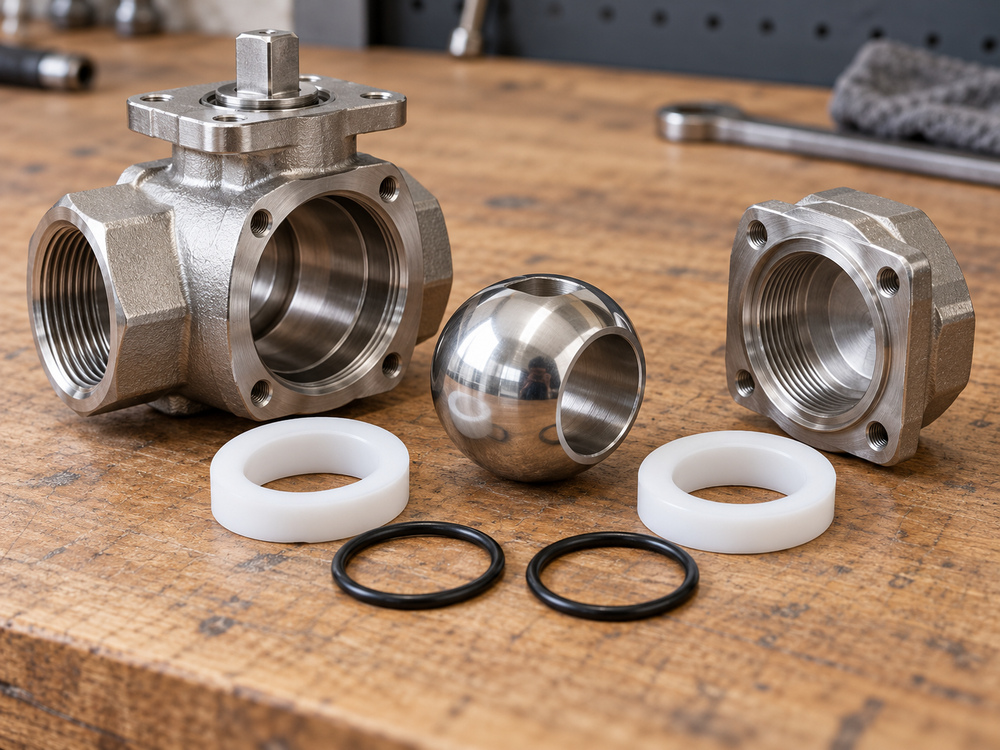
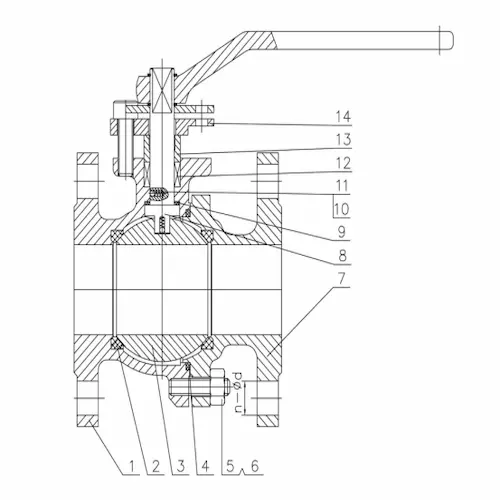
Most titanium ball valves used in industrial pipelines adopt a full-bore flow design. This means the internal diameter of the valve closely matches the pipeline diameter. When the valve is fully open, the fluid can pass through with minimal resistance, reducing turbulence and pressure drop.
Seat materials are typically selected based on the operating medium and temperature range.
Seat Material Selection
Common seat materials include:
PTFE for general chemical resistance and low friction sealing
Reinforced PTFE for improved pressure resistance
PEEK for higher temperature applications and enhanced mechanical strength
Choosing the correct seat material is important because sealing performance depends not only on the ball surface but also on the compatibility between seat material and operating media.
Typical Technical Specifications
| Parameter | Typical Range |
|---|---|
| Nominal Size | DN15 – DN300 |
| Pressure Rating | PN16 – PN100 / ANSI Class 150 – 600 |
| Body Material | Titanium Grade 2 / Titanium Grade 5 |
| Ball Material | Titanium Alloy |
| Seat Material | PTFE / Reinforced PTFE / PEEK |
| Operating Temperature | -29°C to 200°C |
| Connection Type | Flanged / Threaded / Welded |
| Leakage Standard | API 598 / ISO 5208 |
| Operation Method | Lever / Gear / Pneumatic / Electric |
These specifications may vary depending on project requirements and specific system conditions.
Practical Application Example
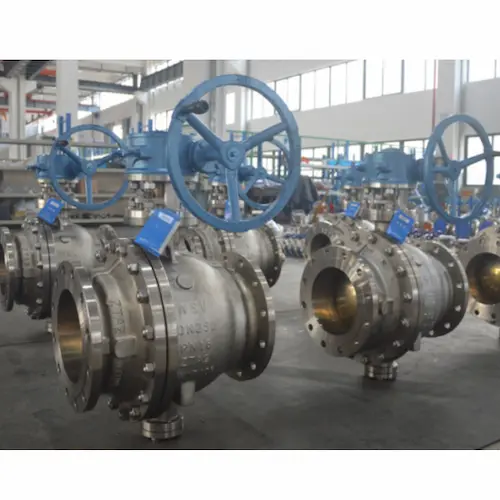 Practical Application Example
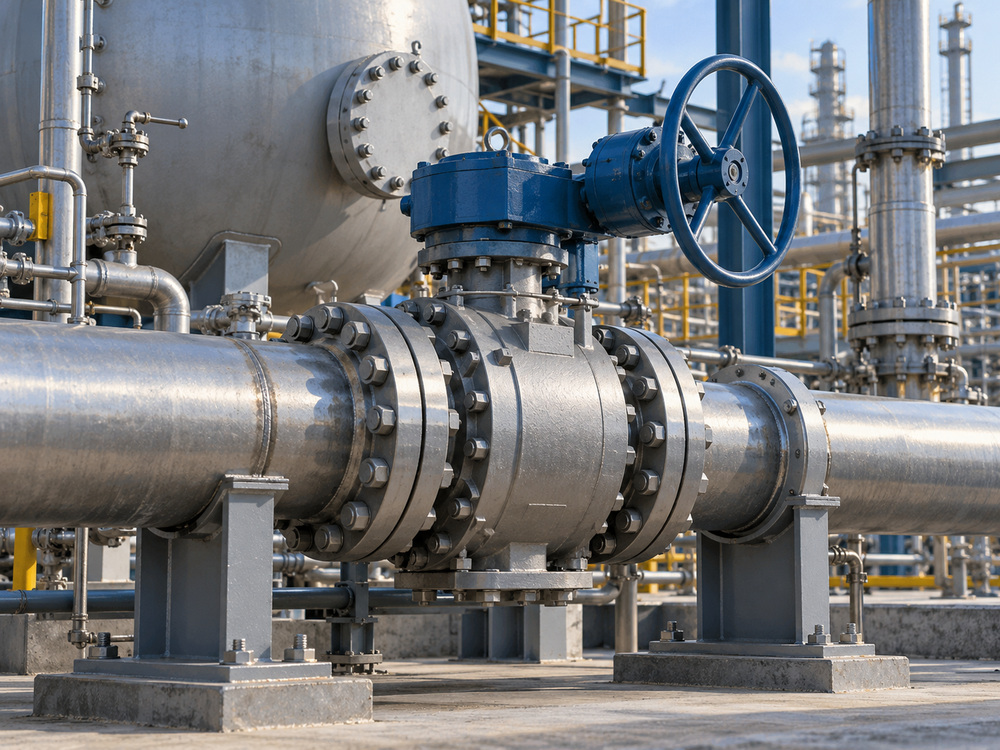
In coastal industrial facilities, seawater is commonly used as a cooling medium. Pipelines in these systems operate continuously while transporting saltwater with high chloride content.
Operators often observe that standard stainless steel valves may begin to develop pitting corrosion after several years of operation, particularly around sealing areas where stagnant fluid may accumulate.
Titanium ball valves tend to perform differently under these conditions. The naturally forming oxide layer on titanium surfaces helps prevent localized corrosion even when exposed to long-term seawater contact. As a result, the valve body and internal components maintain structural stability for longer service periods.
This characteristic makes titanium valves particularly useful in desalination plants, offshore energy installations, and marine engineering systems where corrosion failures can lead to costly downtime.
Manufacturing Considerations
Titanium is not as easy to machine as carbon steel or stainless steel. The material generates significant heat during cutting and requires specialized tooling to maintain dimensional accuracy.
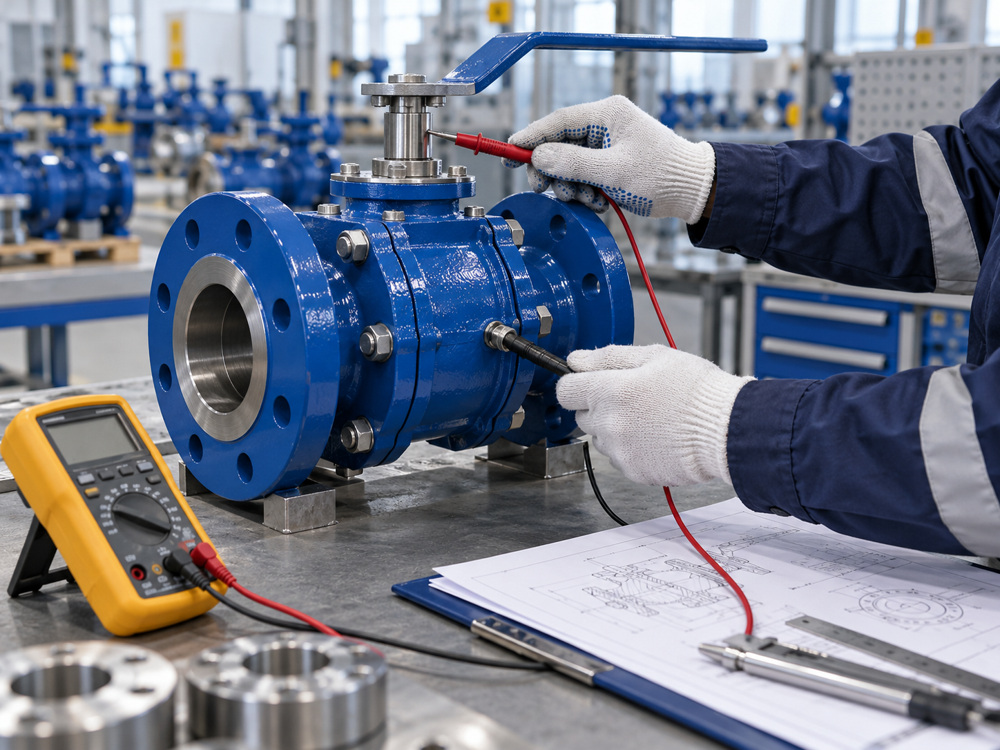
Surface finishing of the ball is especially important because sealing reliability depends heavily on the smoothness of the ball surface. Precision machining and polishing help ensure proper contact between the ball and the seat during operation.
These manufacturing challenges partly explain why titanium valves are usually reserved for applications where corrosion resistance justifies the additional production cost.
FAQs
Why are titanium ball valves used in seawater systems
Titanium naturally forms a protective oxide film that resists chloride corrosion. This makes it particularly suitable for seawater pipelines and desalination equipment.
Are titanium ball valves stronger than stainless steel valves
Titanium has a high strength-to-weight ratio. While it is lighter than many steels, it still provides excellent mechanical strength for industrial valve applications.
In which industries are titanium ball valves commonly installed
Typical industries include desalination plants, offshore platforms, marine pipelines, and chemical processing facilities where corrosion resistance is critical.
Are titanium valves difficult to manufacture
Yes. Titanium requires specialized machining techniques and tooling because it generates heat quickly during cutting operations. This contributes to the higher manufacturing cost.