Understanding the Role of Butterfly Valves in Isolation Service
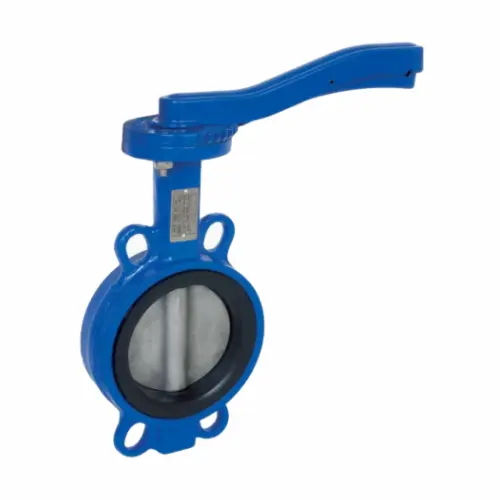
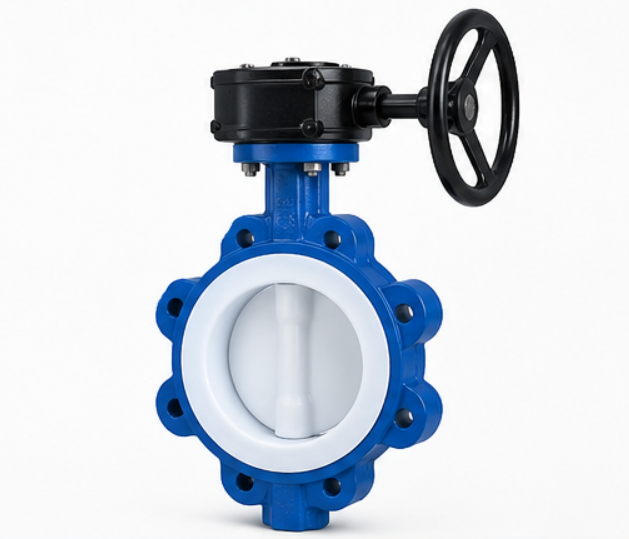
In many industrial facilities, valves serve two distinct purposes: regulating flow or isolating sections of a pipeline. When the objective is simply to stop fluid movement for maintenance or operational control, a compact quarter-turn valve, Isolation Butterfly Valve, often becomes the most practical option.
Butterfly valves fit this role well because their internal mechanism is straightforward. A circular disc positioned at the center of the pipeline rotates ninety degrees to open or close the flow path. When fully open, the disc aligns with the direction of the flow; when closed, it blocks the pipeline.
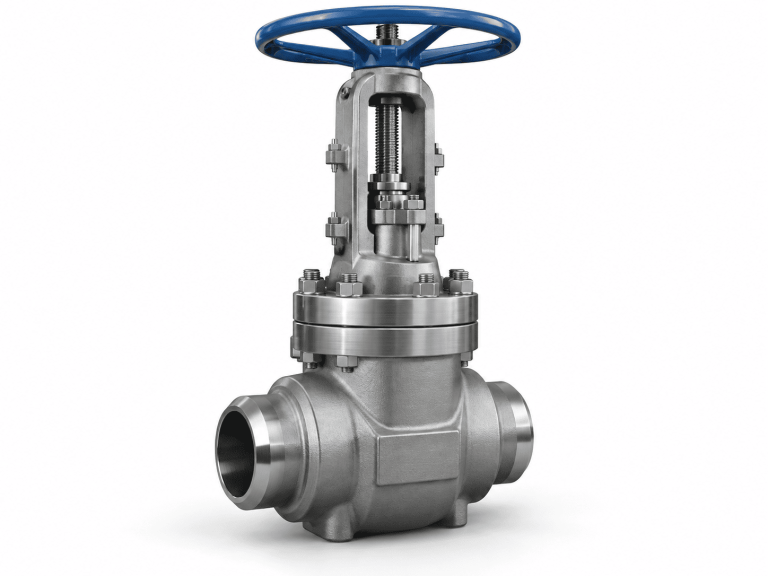
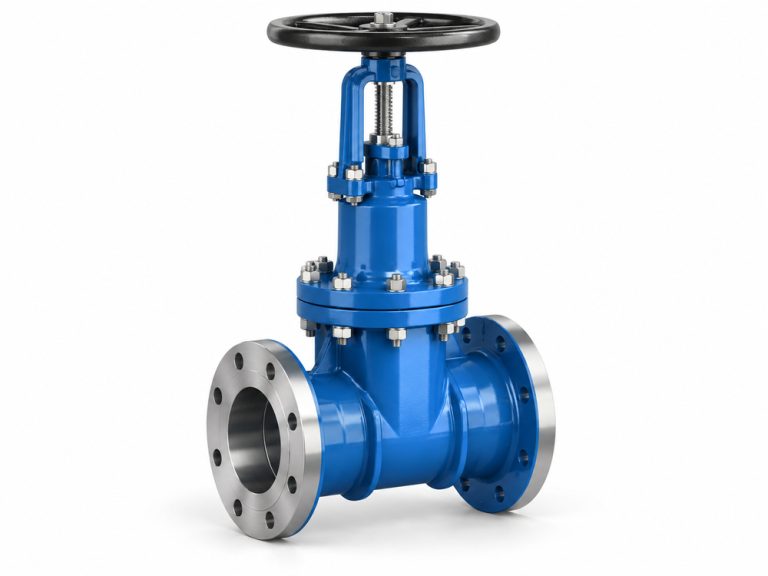
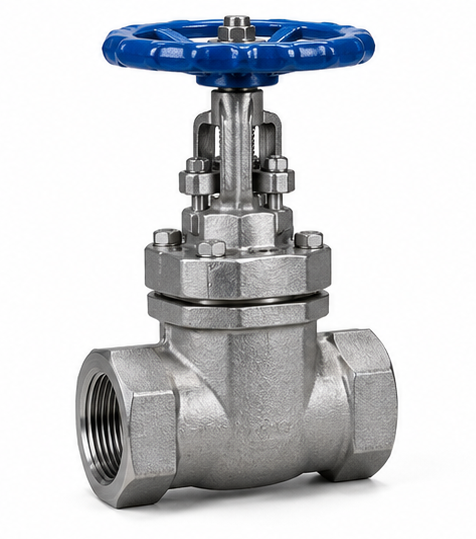
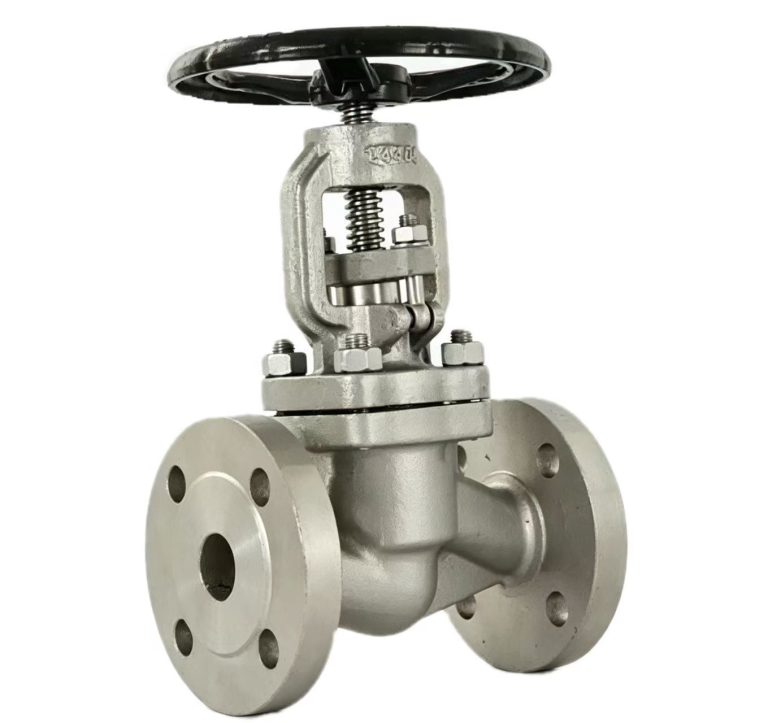
Engineers frequently select this design when working with large pipelines because alternative valve types can become extremely heavy. For example, once pipeline sizes approach DN600 or larger, traditional gate valves may require significantly more installation space and structural support.
 Practical Observations from Industrial Pipelines
In real operating environments, isolation valves are rarely used continuously. Many of them remain open for extended periods and are only operated when sections of the pipeline must be isolated for inspection, pump replacement, or filter maintenance.
Operators often appreciate the simplicity of butterfly valves in these situations. The quarter-turn motion makes the open and closed positions immediately clear, and the actuation mechanism can remain relatively small even for large valve diameters.
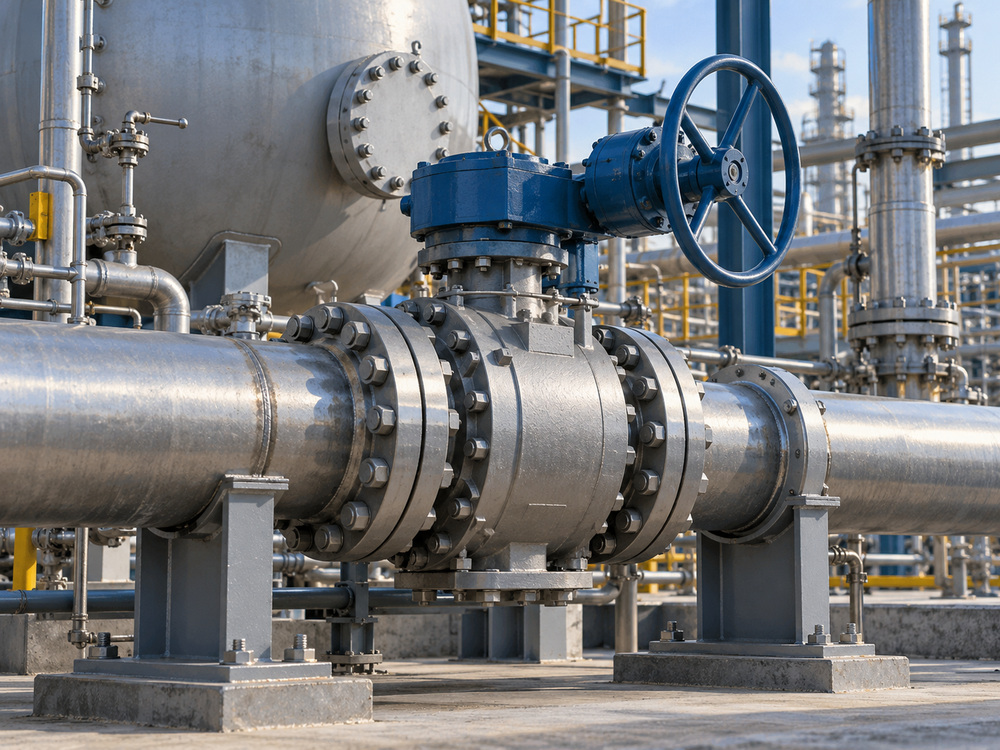
In cooling water systems used by industrial plants or power facilities, it is common to see gear-operated butterfly valves installed along major distribution lines. These valves may remain open for months at a time, only closing during scheduled maintenance work.
Structural Characteristics of Isolation Butterfly Valves
Although butterfly valves appear simple, several structural details influence how reliably they operate during long service periods.
Disc Geometry and Flow Interaction
Unlike gate valves, the disc of a butterfly valve remains within the pipeline even when the valve is open. This means the fluid interacts with the disc surface continuously. For most water or utility applications, the resulting pressure drop is small enough to be acceptable.
Disc edge finishing can influence this interaction. Smooth or slightly rounded edges typically help reduce turbulence and vibration when fluid velocity is relatively high.
Seat Design and Sealing Behavior
Sealing occurs when the edge of the rotating disc presses against a seat ring located inside the valve body. The seat material determines how the valve responds to pressure, temperature, and chemical exposure.
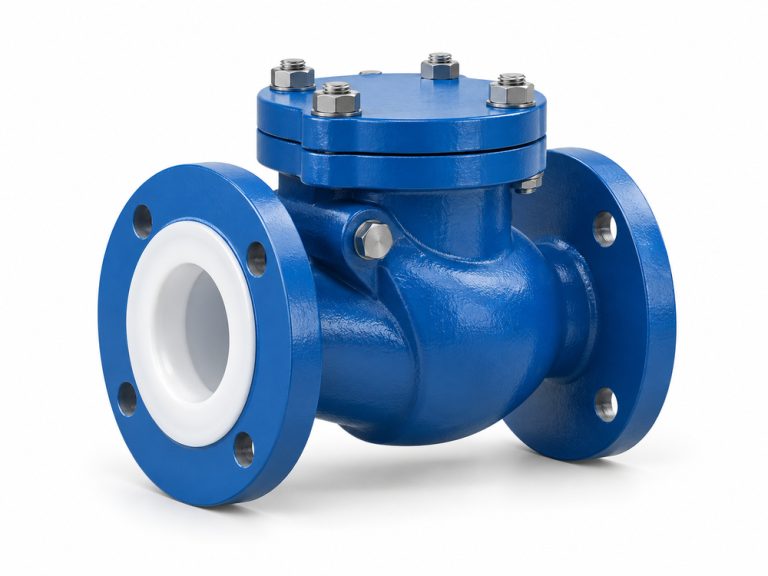
Elastomer seats such as EPDM are commonly used in water systems because they provide flexible sealing contact. In chemical service environments, PTFE seats are often preferred due to their chemical resistance.
The durability of the seat usually depends more on how frequently the valve is operated rather than on pipeline pressure alone. Systems that cycle valves frequently may require occasional seat inspection during maintenance intervals.
Typical Technical Specifications
| Parameter | Typical Range |
|---|---|
| Nominal Size | DN50 – DN2000 |
| Pressure Rating | PN10 – PN25 / ANSI Class 150 |
| Body Material | Ductile Iron / Carbon Steel / Stainless Steel |
| Disc Material | Stainless Steel / Ductile Iron |
| Seat Material | EPDM / PTFE / NBR |
| Operating Temperature | -20°C to 200°C |
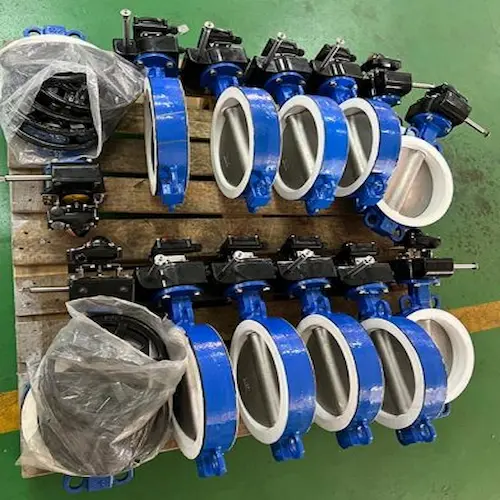
| Connection Type | Wafer / Lug / Flanged |
| Operation Method | Lever / Gear / Pneumatic / Electric |
| Leakage Standard | ISO 5208 / API 598 |
Actual valve specifications depend on system requirements and material selection.
Installation Considerations
Although butterfly valves are relatively simple devices, installation practices can still influence long-term performance. One issue sometimes encountered during field installation is flange misalignment.
If the pipeline flanges are forced together during assembly, the valve body may experience uneven stress. Even slight distortion can influence how the disc contacts the seat during closure.
Installers generally avoid this by ensuring the valve is centered between the flanges before tightening bolts. Gradual bolt tightening in a cross pattern helps maintain even compression around the valve body.
Manufacturing Perspective from Vcore Valve
From a manufacturing standpoint, the most sensitive area of an isolation butterfly valve is the sealing interface between the disc edge and the seat ring. Small dimensional variations in shaft alignment or disc positioning can affect how evenly the disc presses against the seat during closure.
In production experience at Vcore Valve, careful control of machining tolerance in the shaft bore and disc geometry has proven important for maintaining consistent sealing performance. Even minor alignment improvements during assembly can significantly improve shut-off reliability, particularly in larger valves.
Surface finishing of the disc edge is another detail that influences sealing behavior. A smoother contact surface helps distribute pressure more evenly along the seat ring and can reduce localized wear during repeated operation.
Typical Application Scenarios
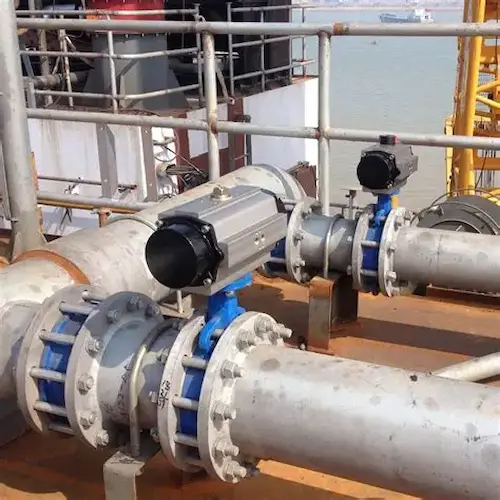
Isolation butterfly valves appear in a wide range of industrial systems. Some of the most common include:
Water treatment and distribution pipelines
Cooling water circulation systems in power plants
Municipal utility networks
Chemical processing pipelines where quick shut-off is required
In these systems, the valve typically acts as a sectional isolation device rather than a flow regulator. When maintenance work begins, the valve is closed to isolate a pipeline section so that pumps, filters, or heat exchangers can be serviced safely.
FAQs
What is the primary purpose of an isolation butterfly valve
Its main purpose is to completely stop or allow fluid flow in a pipeline so that sections of the system can be isolated for maintenance or operational control.
Why are butterfly valves often used in large pipelines
Butterfly valves remain relatively lightweight and compact even at large diameters, which simplifies installation compared with some other valve types.
Can butterfly valves regulate flow precisely
They can partially restrict flow, but they are generally used for isolation rather than precise flow regulation.
Where are isolation butterfly valves commonly installed
Typical installations include water treatment facilities, cooling water systems, municipal pipelines, and general industrial utility networks.