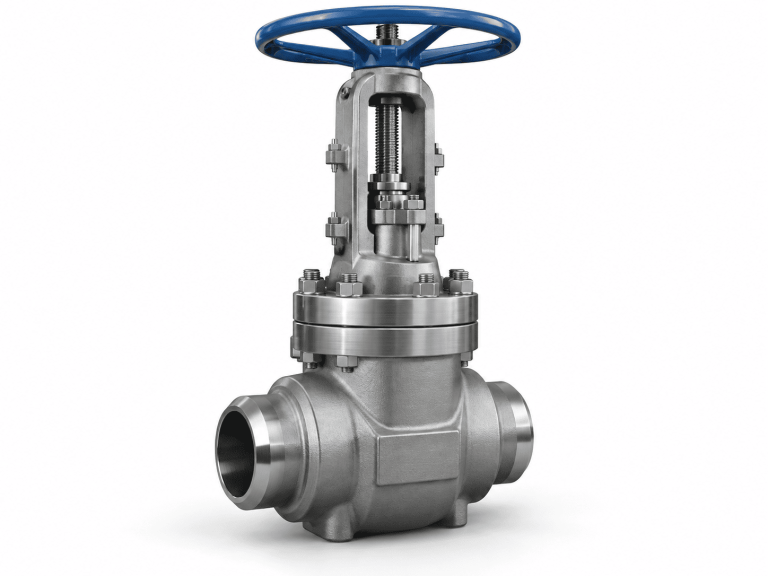
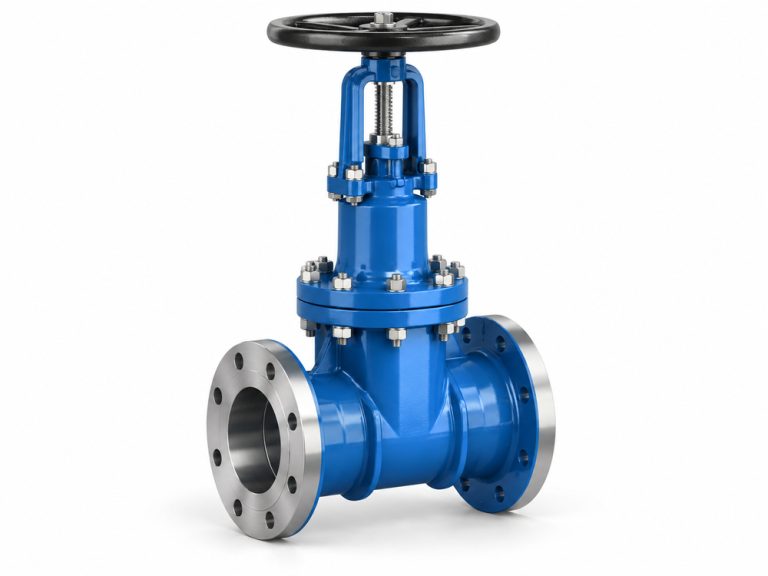
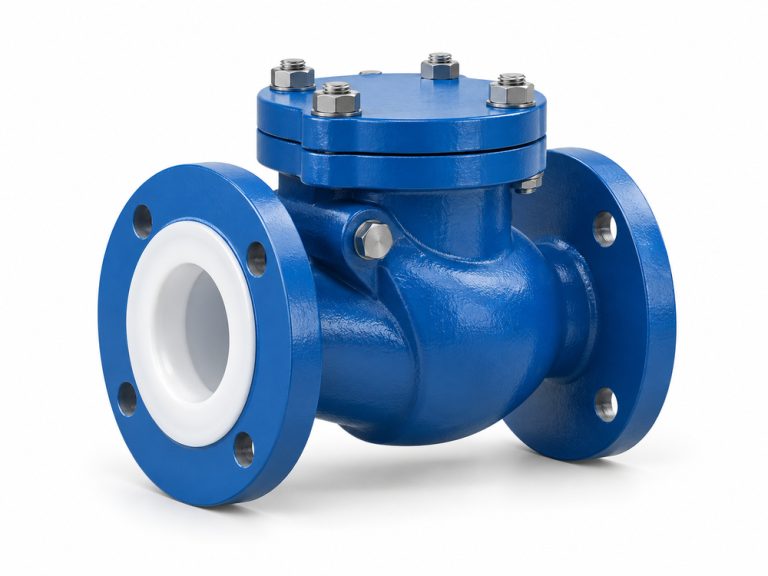
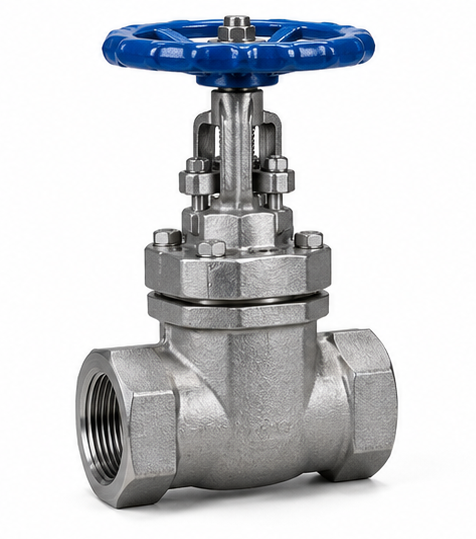
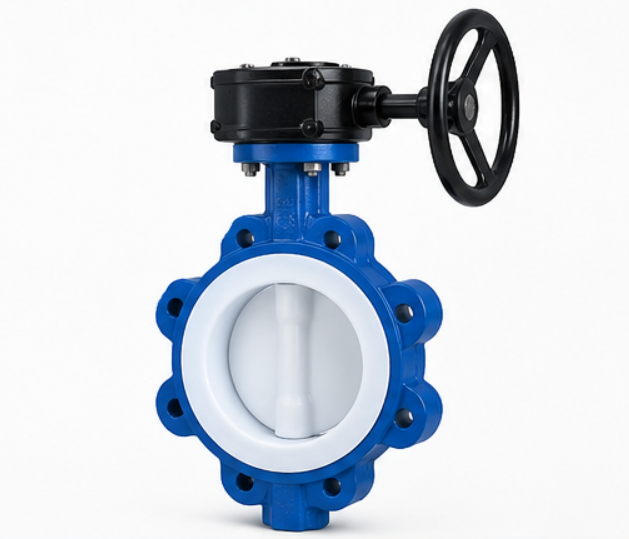
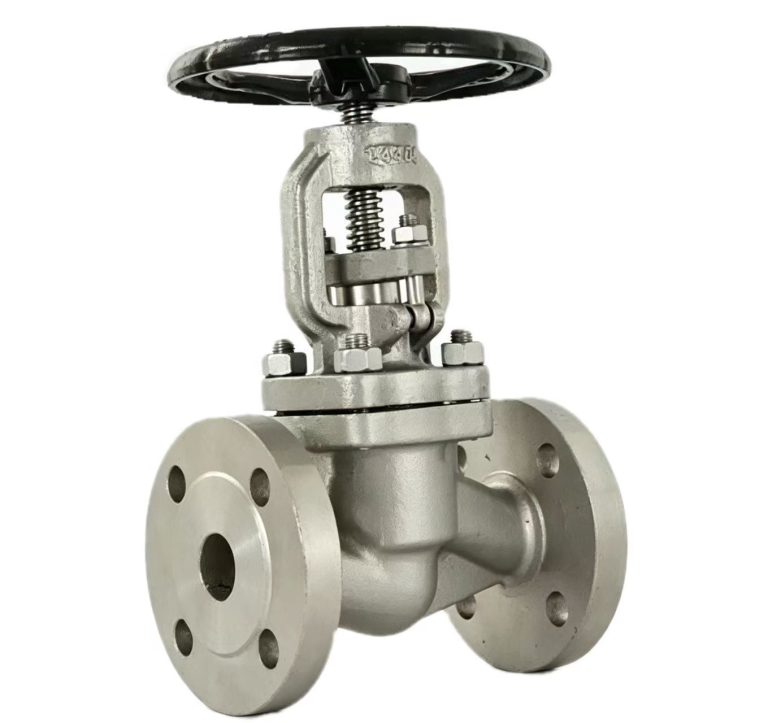
Quick summary: The Explosion-Proof Valve is selected for hazardous area service where valve body, actuator, solenoid, limit switch and wiring enclosure must match the site classification. Vcore Valve recommends confirming certificate scope, actuator type, material, connection and inspection documents from the selected model before quotation.
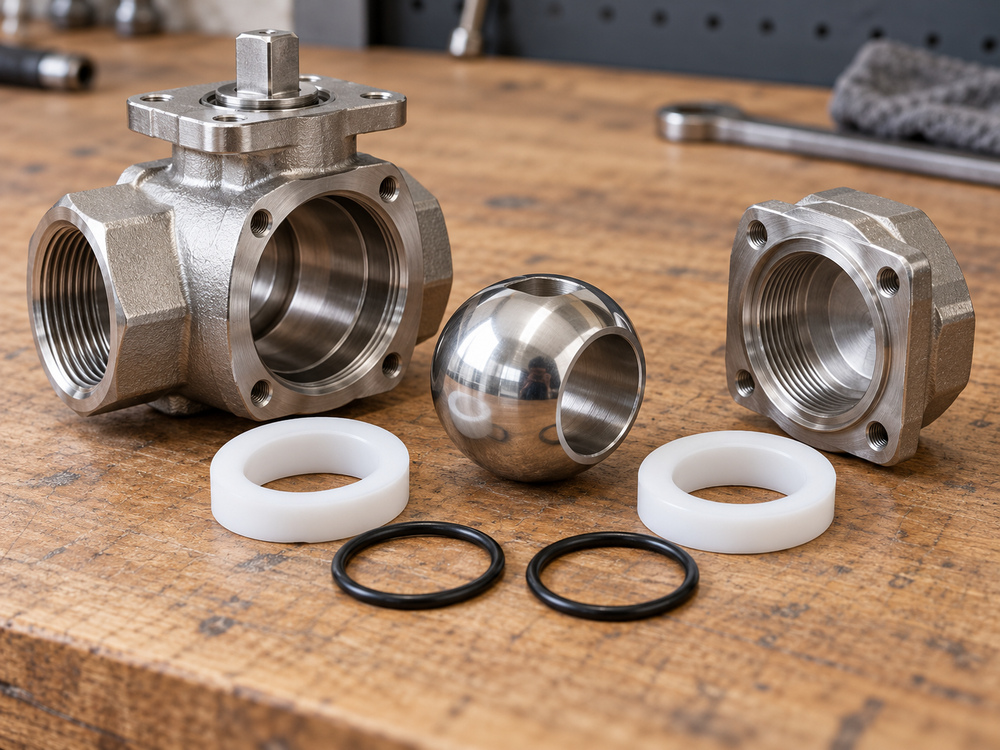
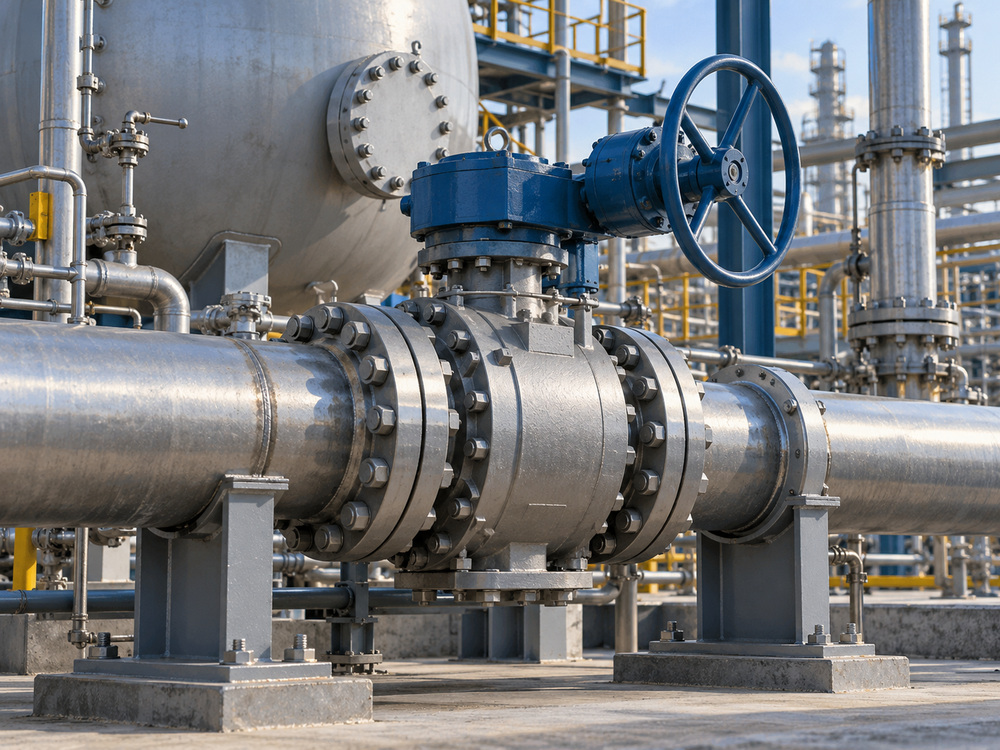
The Explosion-Proof Valve is not a single universal valve design. In real projects it usually means a ball valve, butterfly valve, gate valve or control valve fitted with explosion-proof electric or pneumatic accessories for classified areas. The body pressure class, size range, temperature range and approval standard must be confirmed from the exact selected model and certificate instead of assumed from the product name or old URL.
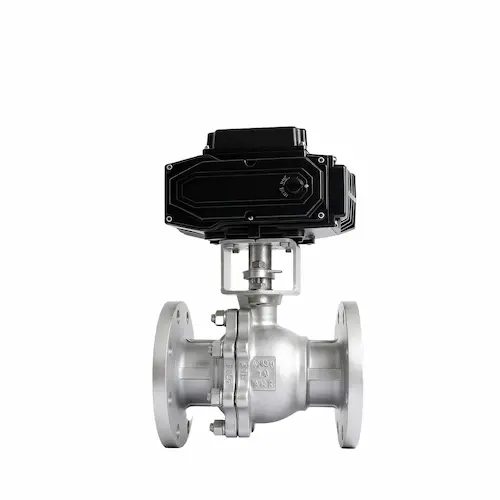
Application Areas
| Application | Engineering Purpose |
|---|---|
| Chemical processing | Controls flow where flammable vapors or classified zones may be present. |
| Oil and gas utilities | Supports isolation or automated operation in hazardous area piping. |
| Tank farms | Used with suitable actuators and switches for remote shut-off or transfer lines. |
| Solvent handling | Requires accessory selection that matches site electrical classification. |
| Power and industrial plants | Provides controlled isolation for auxiliary systems requiring protected enclosures. |
Product Configuration
| Configuration Item | Selection Notes |
|---|---|
| Valve type | Ball, butterfly, gate, globe or control valve should match the process function. |
| Actuator | Electric or pneumatic actuator must match torque/thrust and hazardous area rating. |
| Accessories | Solenoid valve, limit switch and positioner require compatible enclosure certification. |
| Body material | Select according to fluid, corrosion, temperature and pressure data. |
| Connection | Flanged, threaded or welded connection should match piping specification. |
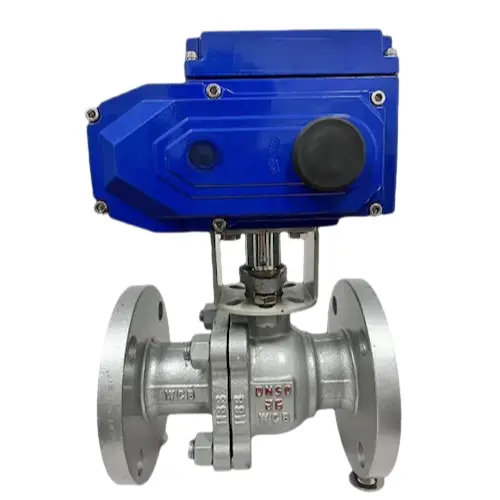
Technical Specification Review
| Technical Point | What To Confirm |
|---|---|
| Hazardous area class | Confirm gas group, temperature class, zone/division and local code requirements. |
| Certificate scope | ATEX, IECEx or other approvals should only be stated when the selected model certificate confirms them. |
| Valve sizing | Confirm size, pressure rating and flow duty from the selected datasheet. |
| Power or air supply | Match actuator voltage, air pressure and fail position to site design. |
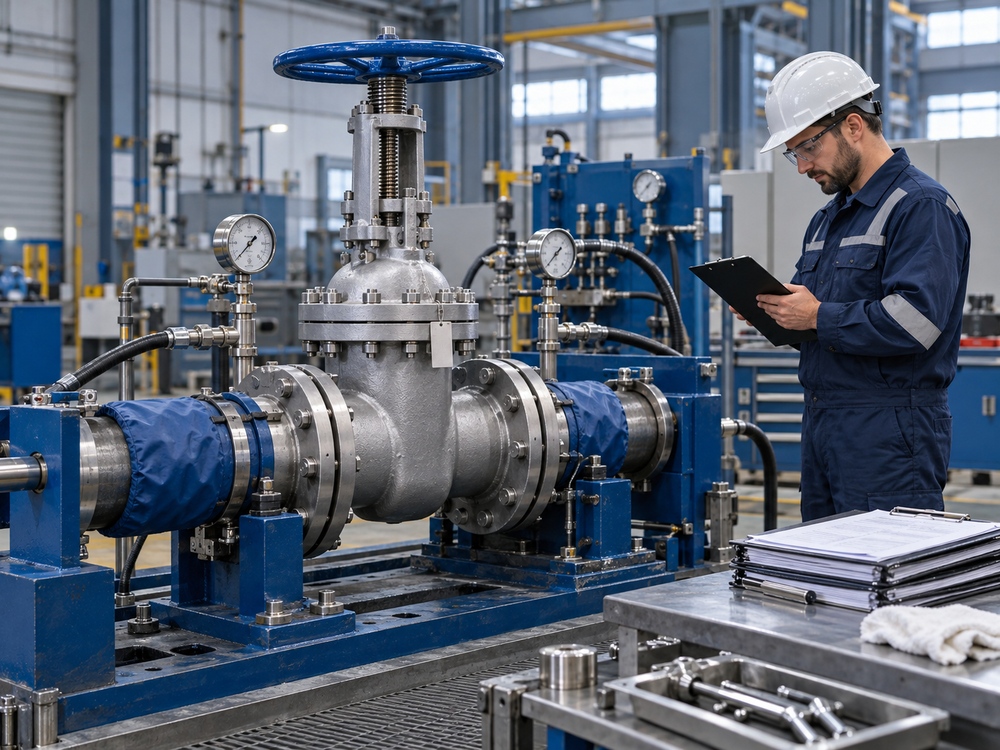
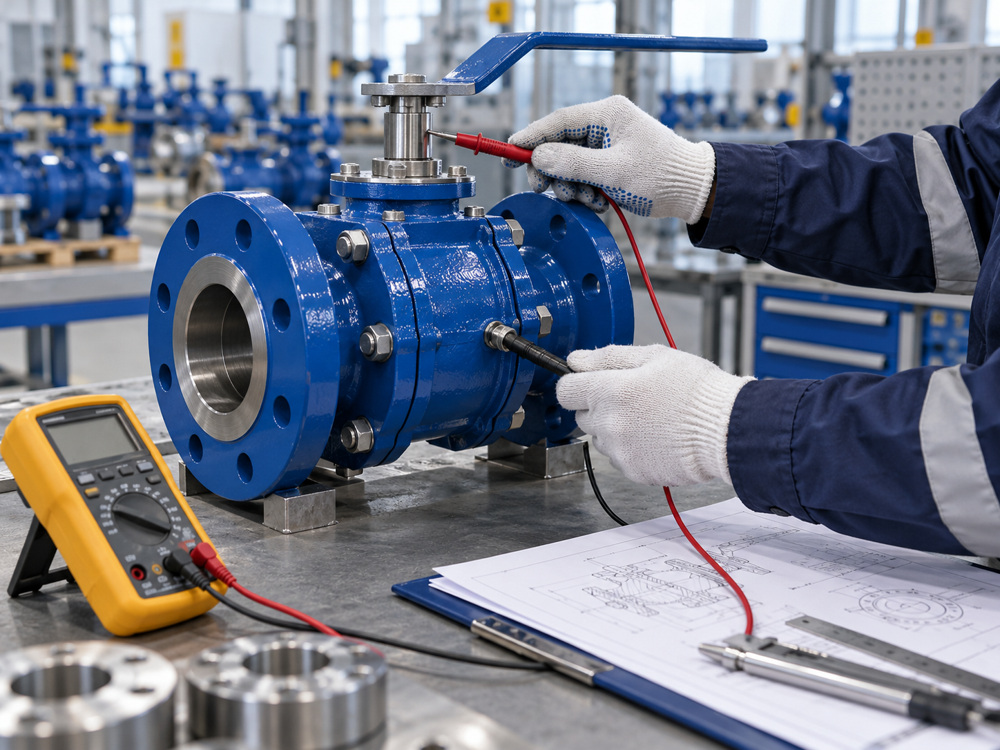
| Testing | Pressure, functional and electrical checks should follow the purchase specification. |
Explosion-Proof Valve Package Compared With Standard Automated Valve
| Feature | Explosion-Proof Valve Package | Standard Automated Valve |
|---|---|---|
| Area suitability | Selected for classified or hazardous areas when certification matches the site. | Used in non-classified areas or protected installations. |
| Accessories | Accessory enclosures must have suitable protection and approval scope. | Standard enclosures may not be acceptable in hazardous areas. |
| Documentation | Certificate, wiring drawing and inspection records are usually critical. | Basic valve and actuator documents may be sufficient. |
| Selection risk | Mismatch between certificate and site classification can create safety risk. | Main risk is usually process fit, torque or control performance. |
Procurement Checklist
| Checklist Item | Reason |
|---|---|
| Define site classification | Certificate selection starts from the hazardous area classification. |
| Confirm valve function | Isolation, throttling or control service determines valve type and actuator. |
| Check fail position | Fail open, fail closed or fail last must match process safety logic. |
| Review cable entry | Thread type and gland selection must match site electrical practice. |
| Request documents | Ask for certificate, drawing, test report and wiring document when required. |
Explosion-Proof Valve Selection Notes
An Explosion-Proof Valve should be selected as a complete valve and actuator assembly. Engineers should confirm whether the certificate covers only the actuator, only the accessory enclosure or the complete package. General hazardous area information can be reviewed through IECEx, while final compliance must come from the selected Vcore Valve model documentation.
FAQ
Does every Explosion-Proof Valve have ATEX approval?
No. ATEX approval depends on the exact model and certificate. It should not be claimed unless the selected model documentation confirms it.
Can any valve body be used with an explosion-proof actuator?
The valve body must still match pressure, temperature, fluid and torque requirements. The actuator rating alone is not enough.
What information is needed for quotation?
Provide medium, size, pressure class, hazardous area classification, power or air supply, fail position and document requirements.
Which documents should be requested?
Common documents include certificate, drawing, wiring diagram, pressure test report and functional test record.
For related automated valves, review the Vcore Valve ball valve range or contact Vcore Valve for a matched actuator package.