Ball Valve Preservation Before Installation: Storage Checks for Oil and Gas Projects
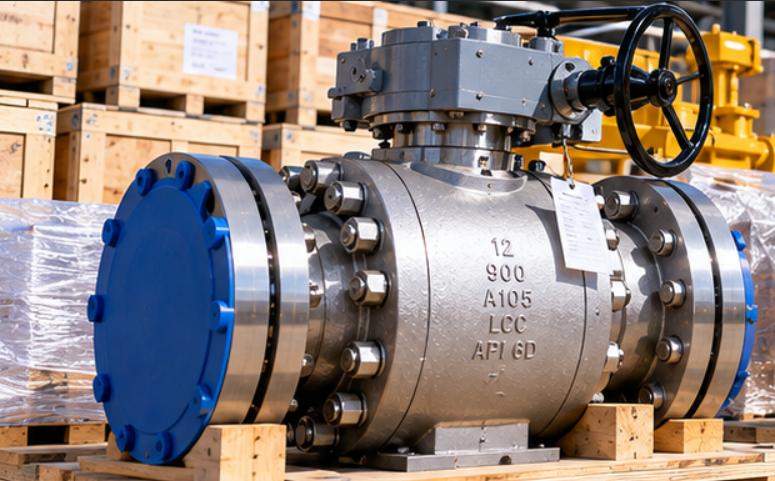
Oil and gas projects often receive ball valves long before the piping system is ready. A Class 900 trunnion-mounted valve may pass its factory shell and seat tests, then spend months in a coastal warehouse, an open laydown yard or a remote pipeline staging area. The storage interval is a separate risk period: rainwater, chloride deposits, dust, impact and unauthorized operation can compromise a valve that was compliant at dispatch.
This guide focuses on preservation between factory acceptance and installation, not the design selection already covered by Vcore’s Trunnion Ball Valve and High Pressure Ball Valve product pages.
1. Define the preservation period at purchase order stage
Preservation should start in the RFQ, not after delivery. Ask the supplier to state the intended shipping and storage condition, preservation validity or reinspection interval, approved corrosion inhibitor, end protection, packaging method and restrictions on valve cycling. These details vary with valve design, seat material, actuator package and project environment.
| Project condition | Preservation concern | Required action |
|---|---|---|
| Short indoor storage | Dust, handling damage, missing caps | Keep dry, capped and on supports; log inspections |
| Extended storage | Inhibitor life, elastomer aging, humidity | Supplier-approved periodic inspection and renewal |
| Coastal laydown yard | Salt spray, standing water, coating defects | Weatherproof elevated storage; chloride and corrosion checks |
| Actuated valve package | Moisture in enclosures, actuator damage | Follow actuator OEM storage instructions and protect connections |
2. Receiving inspection: what to record before opening the crate
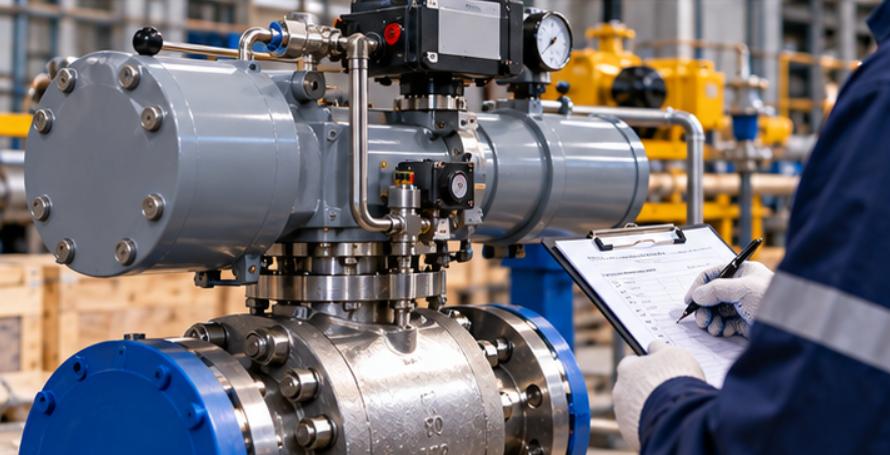
Record valve tag number, purchase order, manufacturer, serial number, size, pressure class, end connection, operator, crate condition and receipt date. Photograph visible shipping damage before removing packaging. Match nameplates and preservation labels with the packing list, approved general arrangement drawing and inspection release note.
- Check lifting points, crate stability, impact indicators if supplied and visible transit damage.
- Confirm both ends remain closed with intact protective covers.
- Check that RF/RTJ flange faces and weld ends are protected against impact and moisture.
- Look for water stains, torn vapor barrier, wet desiccant indicators or corrosion on exposed fasteners.
- Quarantine damaged or undocumented valves for supplier disposition before installation.
3. Keep foreign material and water out of the valve cavity
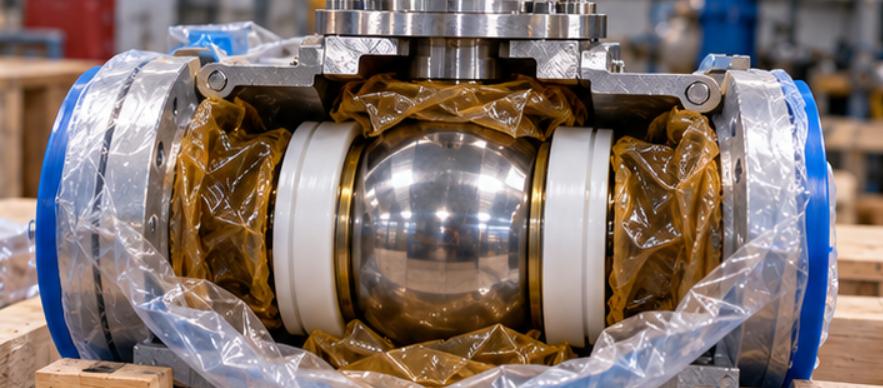
Ball valve seats and polished ball surfaces can be damaged by sand, welding debris, packaging fragments or corrosion products. Never leave end covers off in a dusty staging area. Avoid using the valve bore as a convenient passage for tools, lifting bars or temporary piping materials.
Storage position and valve operating position must follow the manufacturer’s instructions. Do not apply a universal rule that all ball valves must be stored fully open or fully closed: the approved position can depend on soft seats, trunnion seat design, internal preservation fluid, drain/vent arrangement and transport restraints. Similarly, periodic stroking should occur only if the OEM procedure authorizes it and defines the method.
4. Protect the ball, seats, stem and pressure boundary differently
| Component | Storage risk | Preservation check |
|---|---|---|
| Ball and seats | Particles, moisture, incompatible inhibitor | Maintain clean sealed ends; use OEM-approved internal treatment |
| Stem and packing | Moisture, corrosion, unapproved cycling | Inspect exposed stem and packing area without disturbing seals |
| Body and bolting | Atmospheric corrosion, coating damage | Inspect paint, bolts, drains and support contact points |
| RF/RTJ faces | Nicks, rust and groove damage | Keep rigid face protectors; verify gasket surfaces before installation |
| BW ends | End damage, contamination | Keep weld-end caps and bevel protection in place |
| Actuator and controls | Water ingress, missing plugs, wiring damage | Follow OEM humidity, heater and electrical storage requirements |
For fire-tested assemblies, do not assume the Fire Safe Ball Valve label eliminates storage controls. Fire-safe qualification and storage preservation address different risks.
5. Special checks for Class 900, RTJ and sour-service projects
High-pressure valves often carry stricter traceability and interface requirements. A Class 900 marking does not prescribe a universal storage interval. Check the exact material schedule, seat compound, pressure-temperature rating and end connection. For RTJ flanges, inspect ring grooves for corrosion or dents; do not attempt field grinding without an approved repair instruction.
Where NACE MR0175/ISO 15156 compliance is specified, preserve material traceability and hardness records. Storage corrosion and undocumented repair can create nonconformities even if the original material certificates were acceptable. Review the site’s Sour Service Valve Selection Guide for material-related considerations.
6. Storage inspection schedule and hold points
Do not invent a fixed monthly or quarterly preservation rule for every valve. The interval should follow the purchase specification and manufacturer instructions, with additional checks after storms, flooding, handling incidents or long storage extensions.
| Hold point | Minimum record | Release criterion |
|---|---|---|
| Receipt | Photographs, tag/serial, packing condition | Damage disposition complete |
| Periodic inspection | Environment, caps, corrosion, packaging, date | No unresolved deterioration |
| Preservation renewal | OEM instruction, product, technician, approval | Compatible treatment and documented completion |
| Pre-installation release | Visual checks, docs, approved functional checks | Site QA/QC and OEM requirements met |
7. Pre-installation checklist: what should be verified?
- Confirm valve tag, size, class, material, end connection and flow/service duty against the approved line list.
- Review storage history, inspection logs and any nonconformance or repair report.
- Inspect flange faces or weld bevels after carefully removing protectors in a controlled clean area.
- Check inside the bore for foreign material, visible corrosion and moisture without damaging sealing surfaces.
- Confirm temporary preservation materials can be removed safely and are compatible with the planned cleaning/commissioning method.
- Verify actuator condition, position indication, electrical/air connections and approved functional test instructions.
- Confirm applicable pressure/seat test reports are available; decide whether site retesting is required by contract or engineering assessment.
- Keep end protection installed until the valve is ready to connect to clean piping.
Factory acceptance evidence does not automatically require full retesting after storage, nor does it automatically waive site checks. Agree any additional test with engineering and the valve OEM; unnecessary testing can expose soft seats to unsuitable media or pressure conditions. See Valve Pressure Test Methods for shell-versus-seat test distinctions.
8. Sample EPC procurement clause and handover package
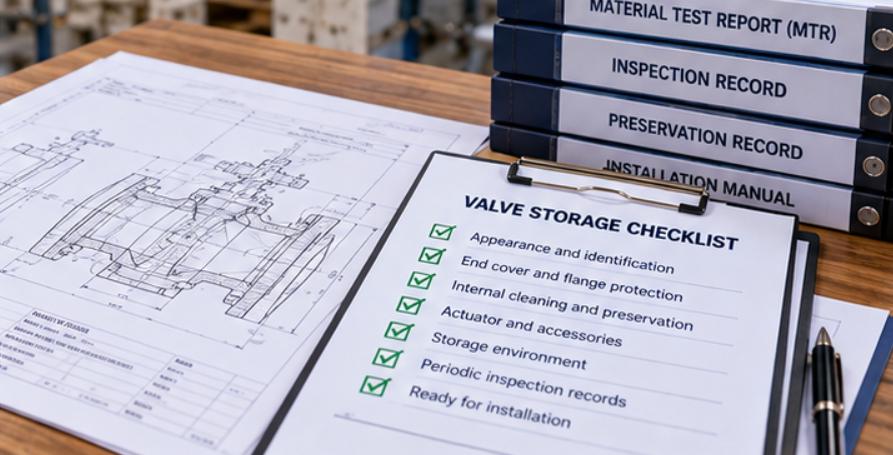
Request the approved GA drawing, datasheet, material certificates, applicable API 6D or project-specific test reports, fire-test evidence where required, actuator documentation, preservation procedure, packing list, serial-number register, storage inspection log and final nonconformance disposition. For pipeline construction and in-line maintenance planning, compare the Fully Welded Ball Valve and Top Entry Ball Valve configurations.
9. FAQ
Should a ball valve be stored open or closed?
Follow the exact manufacturer’s storage instruction. The correct position can depend on valve construction, seat system and internal preservation requirements.
Can ball valves be stored outdoors before installation?
Only when the approved packaging and storage procedure permit it. Coastal exposure, flooding, UV, dust and condensation can require additional protection or indoor storage.
Should we inject grease into a trunnion ball valve during storage?
Not unless the OEM preservation procedure specifies an approved product and method. Generic grease may harm seats or contaminate the process.
Does a factory pressure test remain valid after long storage?
The original report remains a record of factory testing, but storage damage must be assessed. Additional testing depends on the contract, condition and approved engineering/OEM instructions.
What is the most important preservation document for an EPC buyer?
The manufacturer-approved valve and actuator preservation procedure, linked to the individual tag/serial number and supported by inspection and renewal records.
For additional ball valve configurations, browse Vcore’s Ball Valve Product Range. Send valve tags, storage duration, location, coating, seat type and actuator details through the Vcore contact page for a project-specific preservation review.