
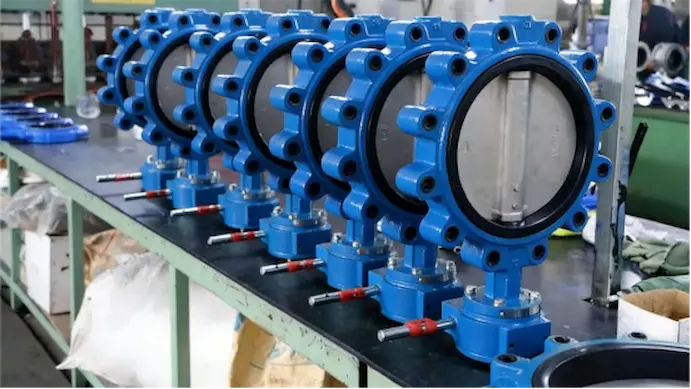
5 Common Lug Butterfly Valve Installation Mistakes and How to Avoid Them
Learn the most common lug butterfly valve installation mistakes and how to avoid leakage, seat damage, excessive operating torque, flange misalignment, uneven bolt loading, piping stress, and end-of-line service problems. This guide explains correct disc position during installation, flange inspection, cross-bolt tightening, controlled torque, pipeline alignment, pressure-rating limits, manufacturer instructions, and commissioning checks for lug-type butterfly valves in industrial piping systems.
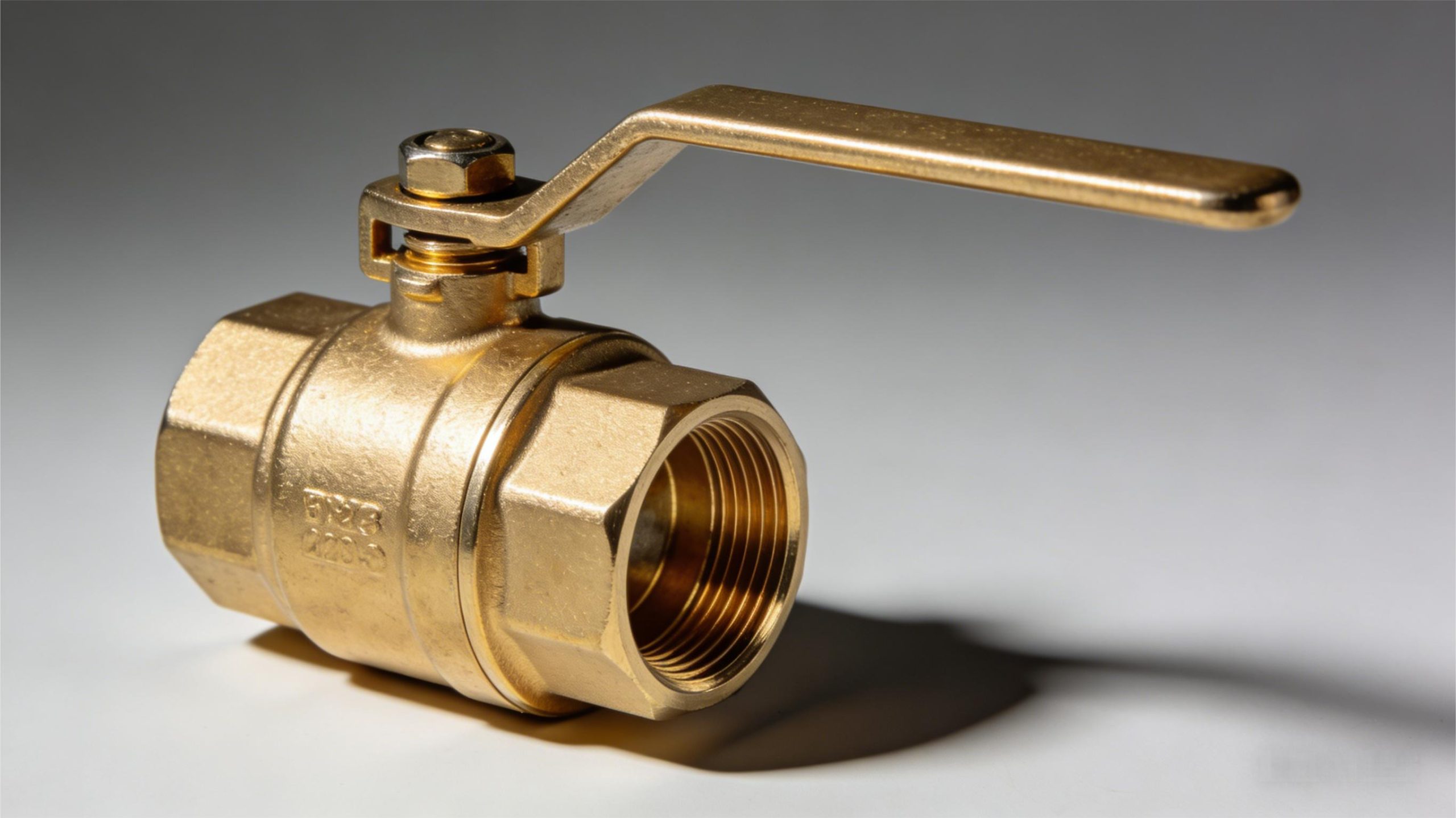
Brass Ball Valves: The Ultimate Guide to Uses, Benefits & Bronze Comparisons
Quick Summary Brass ball valves are the unsung heroes of plumbing
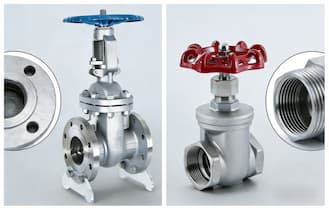
Flanged Valves vs. Screwed Valves: How to Choose the Right Valve for Your Application
Compare flanged and screwed valves by connection type, pressure and temperature capability, sealing reliability, installation, maintenance, and cost. Flanged valves are better suited to large-diameter, high-pressure, high-temperature, corrosive, and frequently maintained industrial pipelines, while screwed valves provide a compact and economical solution for smaller, moderate-pressure water, air, HVAC, and general utility systems.
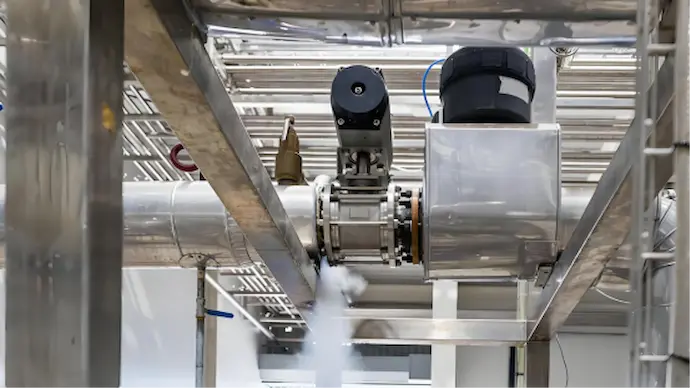
Industrial Valve Failures and Repair | Causes & Solutions
Learn the common causes of industrial valve failures and how to decide whether a valve should be repaired, refurbished, or replaced. The guide explains leakage, sticking, jamming, actuator failure, cavitation, erosion, material mismatch, sealing damage, predictive maintenance, inspection records, pressure testing, and root-cause analysis for improving valve reliability and reducing unplanned shutdowns.
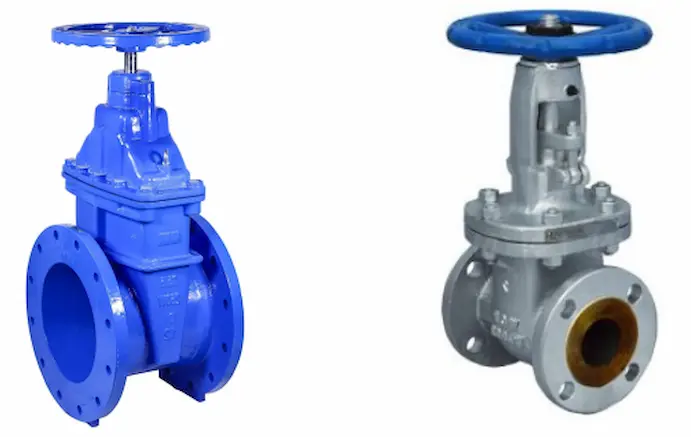
Ductile Iron vs Cast Steel Valves | Material Selection Guide
Compare ductile iron and cast steel valves by mechanical strength, pressure and temperature capability, corrosion protection, weight, cost, standards, and application. Ductile iron valves provide a lighter and more economical solution for water supply, wastewater, HVAC, and moderate-pressure systems, while cast steel valves offer greater strength and reliability for high-pressure, high-temperature, steam, oil and gas, petrochemical, and other demanding industrial services.
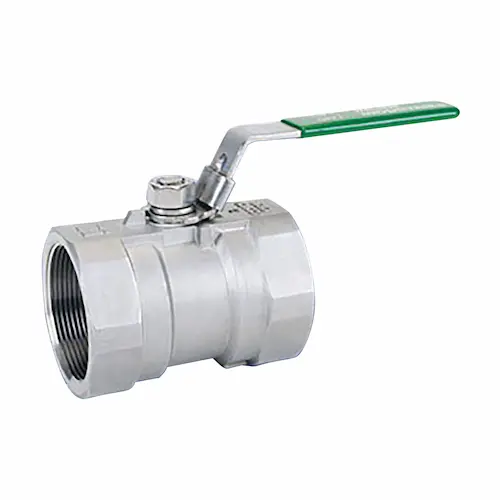
Ball Valves: Types, Uses & Buying Guide for Industrial & Home Applications
Quick Summary When it comes to controlling the flow of