
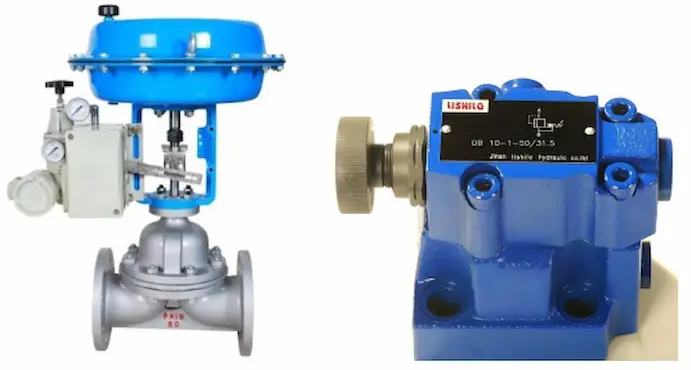
Pneumatic Control Valve vs Hydraulic Valve Comparison
Compare pneumatic control valves and hydraulic valves by power medium, output force, response speed, control accuracy, maintenance, environmental risk, and application. Pneumatic control valves offer fast, clean, and relatively simple operation for chemical, food, pharmaceutical, and automated process systems, while hydraulic valves provide much higher actuation force and precise heavy-load control for mining, steel, heavy machinery, and other demanding applications.
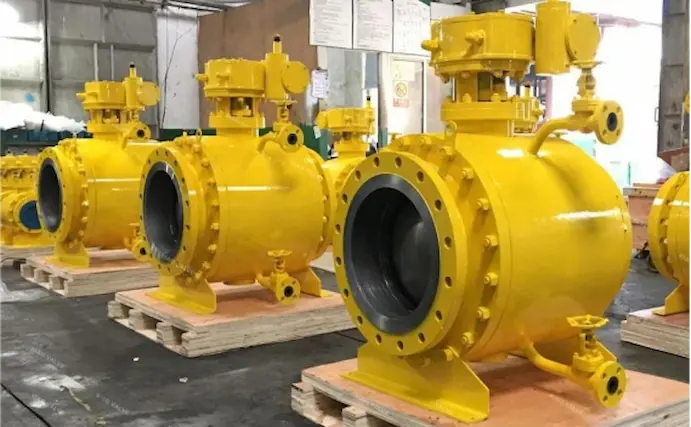
Metal Seated Ball Valve Faults and Practical Solutions
Learn the main valve pressure test methods used to verify valve body strength, seat sealing, backseat performance, and leakage control before delivery or commissioning. The guide explains hydrostatic testing, pneumatic testing, shell tests, seat leakage tests, backseat tests, test documentation, safety precautions, and common standards such as API 598, ISO 5208, and EN 12266 for industrial valves.
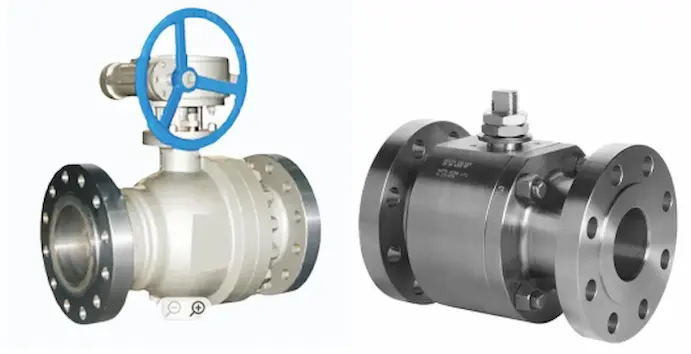
Floating vs Fixed Ball Valves: Key Differences Explained
Compare floating and fixed (trunnion-mounted) ball valves by ball support, sealing mechanism, operating torque, pressure capability, valve size, cost, and application. Floating ball valves provide a simpler and more economical solution for small- to medium-size, low- and medium-pressure pipelines, while fixed ball valves offer lower torque and greater sealing stability for large-diameter, high-pressure oil, gas, power, and process systems.
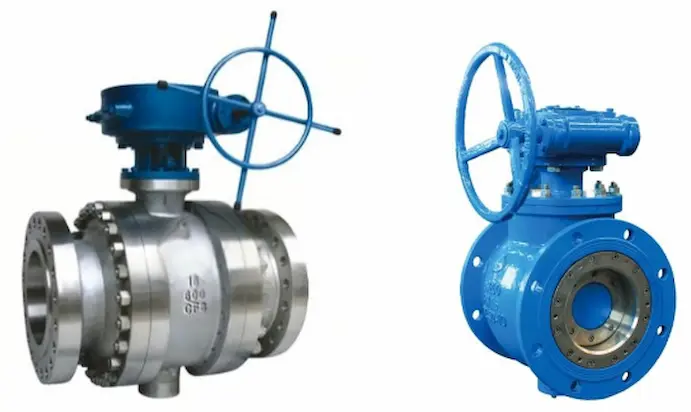
Eccentric Half Ball Valve Design & Industrial Applications
Learn how eccentric half-ball valves use an offset shaft and half-ball closure design to reduce seat rubbing, operating torque, and wear in abrasive, slurry, wastewater, pulp, ash, and solids-containing media. The guide explains the valve’s working principle, metal-seated sealing behavior, self-cleaning action, automation suitability, key selection factors, and differences from standard ball valves and butterfly valves in demanding industrial service.
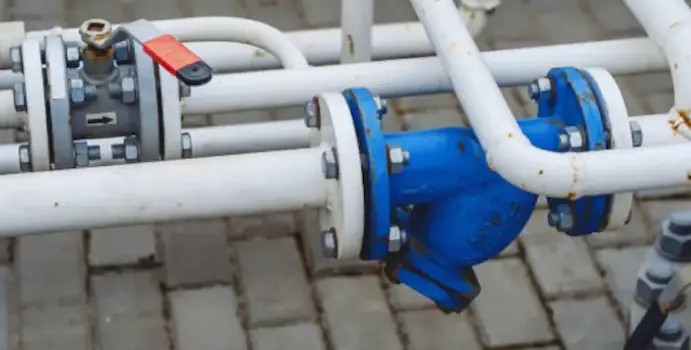
Lift Check Valve Structure, Working Principle & Applications
Learn how lift check valves use pressure differential, guided vertical disc movement, gravity, spring force, or back pressure to prevent reverse flow in pressurized pipeline systems. The guide explains lift check valve structure, working principle, horizontal and vertical installation requirements, flow stability, pressure-loss considerations, water-hammer limitations, and key selection factors for steam, oil, gas, boiler feed, refinery, and industrial process applications.
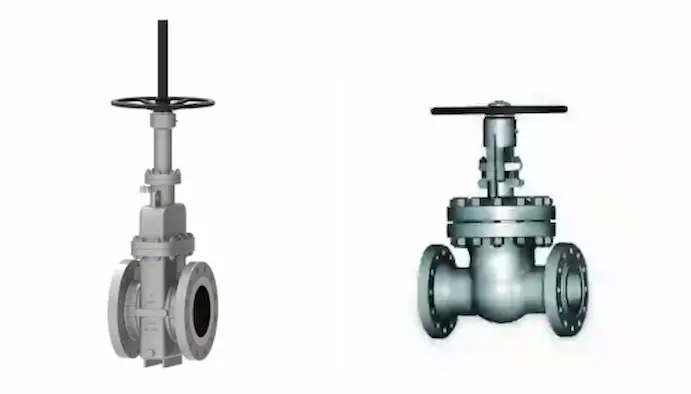
Single Disc vs Double Disc Gate Valves Explained
Compare single-disc and double-disc gate valves by disc structure, sealing mechanism, operating torque, pressure sensitivity, maintenance, and application. Single-disc gate valves offer a simpler, lower-cost design for stable high-pressure and high-temperature service, while double-disc designs provide better low-pressure and bidirectional sealing for water supply, wastewater, and other pipeline isolation systems.