

Flanged Globe Valves: Installation, Maintenance and End-Connection Selection Guide
Learn how flanged globe valves improve installation, removal, inspection, and maintenance in industrial piping systems. The guide explains how flange connections support easier alignment, gasket replacement, bolted-joint inspection, valve removal, and maintenance access compared with welded or threaded end connections, while outlining key considerations such as flow direction, gasket selection, bolt tightening, flange standard compatibility, pressure-temperature rating, and service conditions.
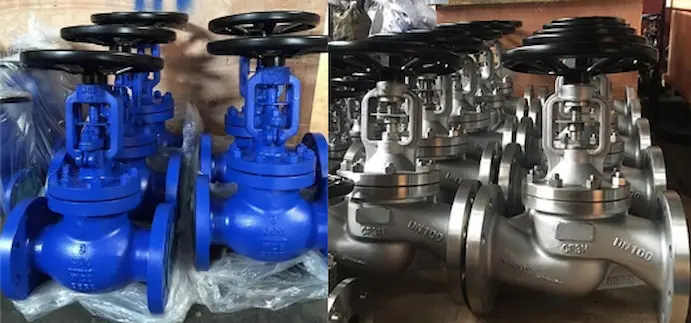
Bellow Seal Globe Valves : Stem Sealing, Emission Control and Selection Guide
Learn how bellow seal globe valves use a welded metal bellows assembly to reduce stem leakage and fugitive emissions in high-temperature, hazardous, toxic, steam, thermal oil, and chemical service. The guide explains bellows sealing principles, backup packing, material selection, cycle-life considerations, pressure-temperature requirements, emission-control standards, and key selection factors for critical industrial piping systems.
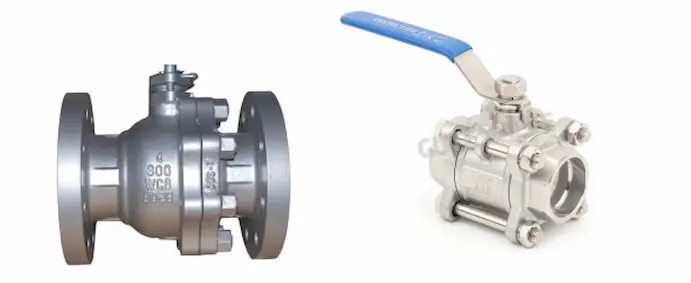
Anti-Blowout Stem in Ball Valves: Safety Design and Selection Guide
Learn why anti-blowout stems are an essential safety feature in industrial ball valves. The guide explains how an internally retained stem design prevents pressure-driven stem ejection, how floating and trunnion ball valves can incorporate stem retention, and what buyers should verify through cross-section drawings, applicable API or ISO standards, fire-safe requirements, pressure-temperature ratings, material records, and inspection documentation.
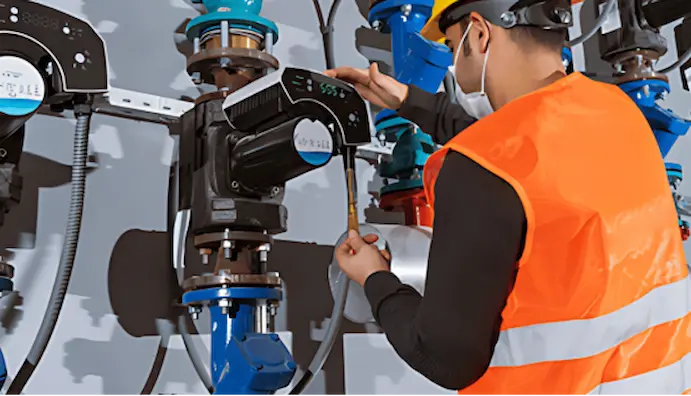
How to Extend the Service Life of Your Globe Valve
Learn how proper globe valve maintenance can extend service life, reduce leakage, control operating torque, and prevent premature valve failure. The guide explains routine inspection, stem and thread lubrication, packing checks, seat and disc wear, thermal cycling effects, throttling-related erosion, maintenance records, and practical service-life practices for steam, chemical, high-temperature, and industrial process systems.
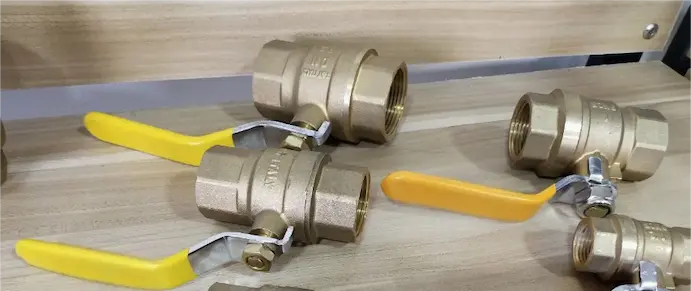
Why Choose Ball Valves for Compressed Air Systems
Learn why ball valves are widely used in compressed air systems for isolation, zoning, leakage control, and low-resistance airflow. The guide explains how tight shutoff, full-bore construction, suitable seat materials, pressure rating, cycling requirements, and proper valve sizing help reduce air loss, pressure drop, compressor workload, and operating cost in industrial pneumatic networks.
How Ball Valves Improve Energy Efficiency
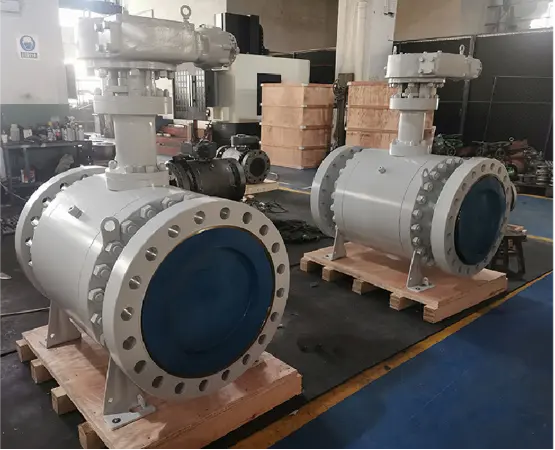
Learn how correct ball valve selection can improve piping-system energy efficiency by reducing unnecessary pressure loss, pump load, turbulence, leakage-related losses, and actuator oversizing. The guide explains full-bore versus reduced-bore ball valves, valve pressure-drop considerations, flow resistance, lifecycle energy cost, and practical selection factors for pump-driven industrial systems.