
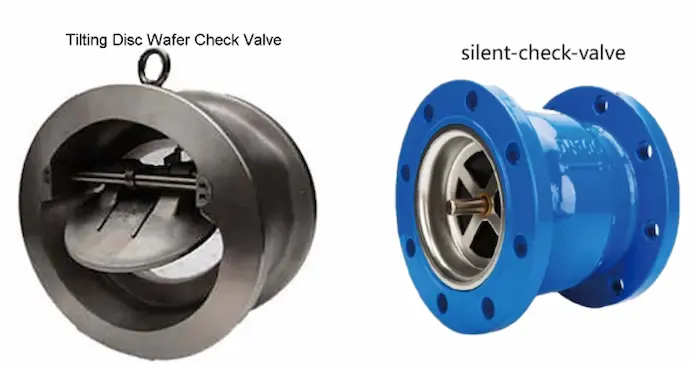
Tilting Disc vs Silent Check Valve Comparison
Compare tilting disc and silent check valves by closing mechanism, pressure loss, water-hammer control, installation space, noise level, and application. Tilting disc check valves provide low flow resistance for large, steady-flow pipelines, while spring-assisted silent check valves close rapidly to reduce reverse flow, noise, and pressure surges in pump discharge systems.
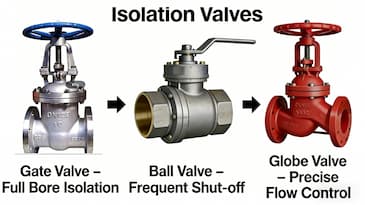
Isolation Valves vs. Gate Valves: What Is the Difference?
Compare isolation valves and gate valves by function, shut-off performance, flow resistance, operating frequency, maintenance, and application. Isolation valve is a broad category that includes gate, ball, butterfly, and globe valves, while gate valves are specifically designed for full-open or full-closed service with minimal pressure drop in large pipelines.
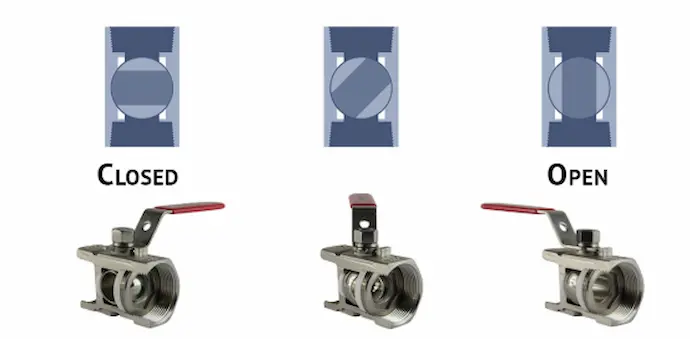
How to Tell If a Ball Valve Is Open or Closed: Position Indicator Guide
Learn how to determine whether a ball valve is open or closed by checking handle alignment, stem-slot direction, gear-operator indicators, actuator feedback, and valve documentation. The guide explains common causes of position misjudgment, why handle position alone can be misleading after maintenance or reassembly, and how clear marking, lockable handles, operator training, and reliable position indication improve safe valve operation and isolation.
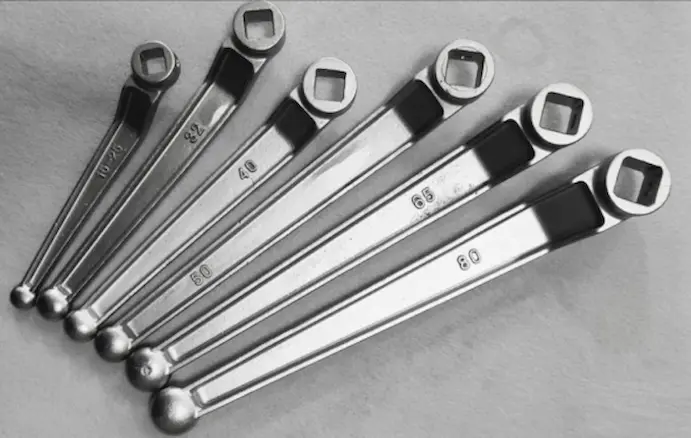
Ball Valve Wrenches and Manual Operating Tools: Safe Torque and Operation Guide
Learn how ball valve wrenches and manual operating tools affect safe and reliable valve operation. The guide explains why wrench length, valve size, operating torque, stem design, seat friction, pressure conditions, tool fit, and operator technique must be matched correctly to avoid over-torque, stem damage, seat wear, unsafe handle movement, and premature ball valve failure.

Valve Pressure Testing: Methods, Standards and Inspection Requirements
Learn valve pressure testing methods, shell test vs seat test vs backseat test, standards (API 598, API 6D, ISO 5208, EN 12266), test media, documentation, and RFQ requirements.
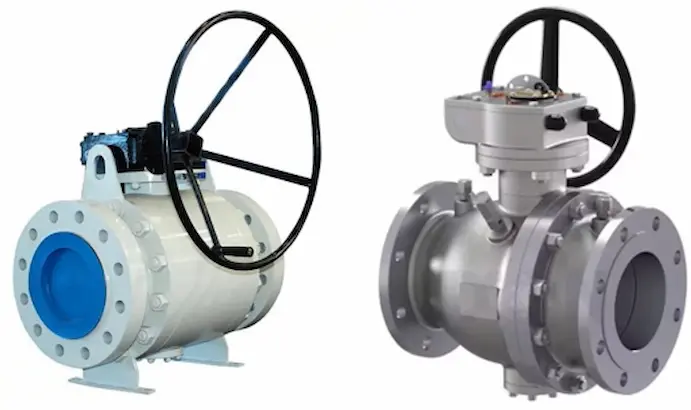
Soft Seat vs Metal Seat Ball Valve Explained
Soft seat vs metal seat ball valve comparison by seat material, leakage class, temperature, media, abrasion resistance, fire-safe design, torque and RFQ requirements.