
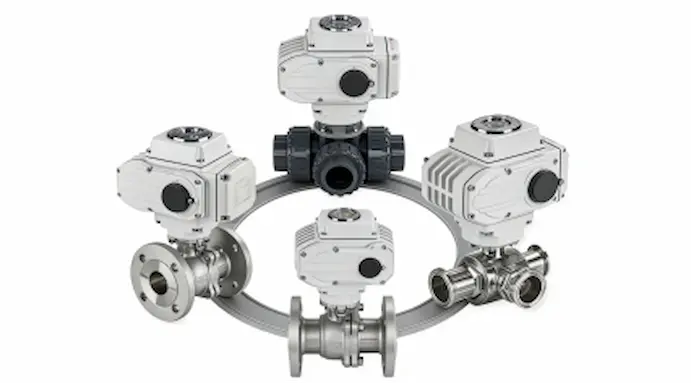
Actuated Ball Valves for Process Automation: Types, Selection and Control
Learn how actuated ball valves support process automation by combining quarter-turn ball valve shutoff with pneumatic, electric, or smart actuator control. The guide explains on/off and modulating configurations, actuator selection, torque verification, PLC/DCS/SCADA integration, feedback accessories, fail-safe options, hazardous-area considerations, and key application factors for oil and gas, chemical, water treatment, food, power, and manufacturing systems.
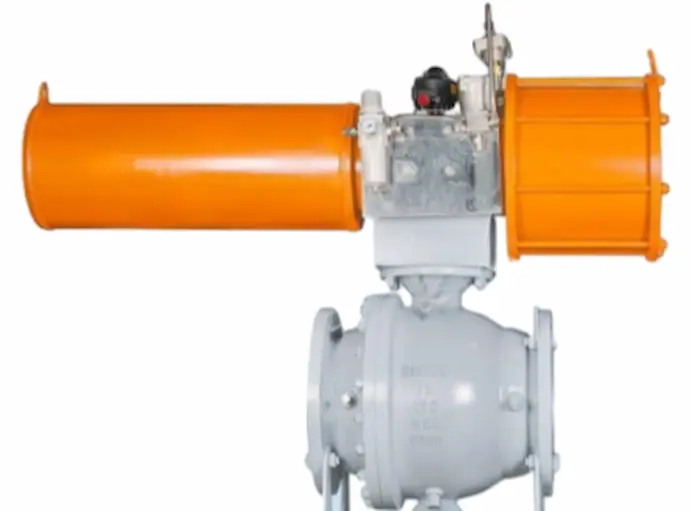
Low-Torque Ball Valves for Automation: Torque, Actuator Sizing and Selection
Learn why low-torque ball valves are important for pneumatic and electric automation systems. The guide explains how seat friction, ball surface finish, stem design, bearing support, pressure differential, media conditions, and torque consistency affect actuator sizing, air or power consumption, cycling reliability, positioning stability, and long-term performance in automated industrial valve packages.
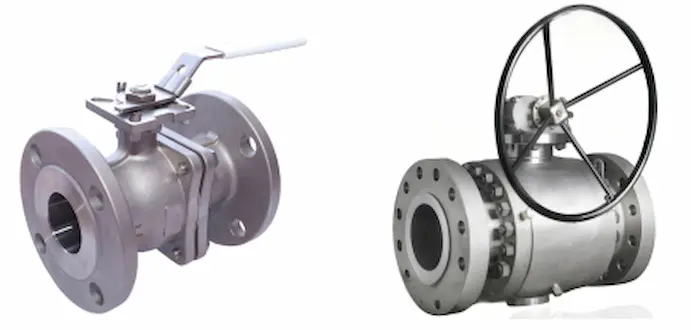
PTFE vs PEEK: Choosing the Right Ball Valve Seal
Compare PTFE and PEEK ball valve seats by chemical resistance, temperature capability, pressure resistance, wear performance, operating torque, and cost. PTFE seats are economical and highly resistant to aggressive chemicals in moderate-temperature service, while PEEK seats provide greater mechanical strength, dimensional stability, and durability for high-pressure, high-temperature, and severe industrial applications.
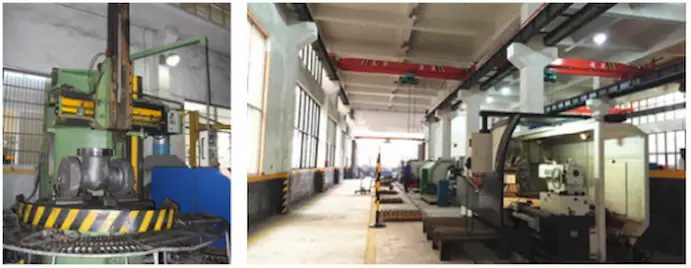
Benefits of Wedge Gate Valves in High-Pressure Systems
earn why wedge gate valves are widely used in high-pressure systems, including their pressure-assisted sealing, robust body construction, and long service life. The guide compares solid, flexible, and split-wedge designs and explains their suitability for oil and gas pipelines, high-pressure steam, power generation, and chemical processing applications.
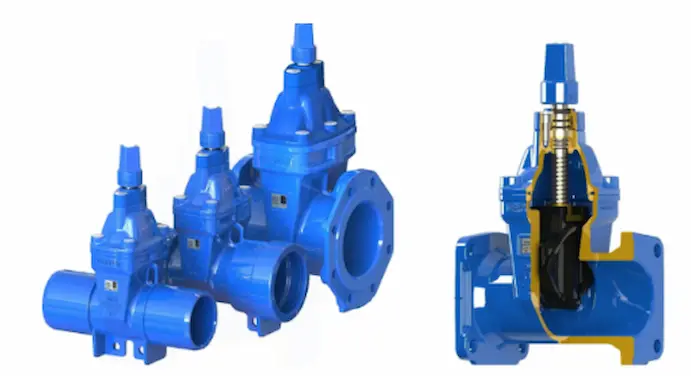
Gate Valves for Water and Wastewater Systems: Applications and Selection Guide
Learn how gate valves are used in water and wastewater systems for pipeline isolation, maintenance shutdowns, low-resistance full-open flow, and reliable shutoff in municipal water networks, treatment plants, and industrial utility lines. The guide explains key selection factors such as resilient-seated design, ductile iron construction, epoxy coating, corrosion resistance, wastewater service conditions, AWWA-related standards, and proper on/off operation.
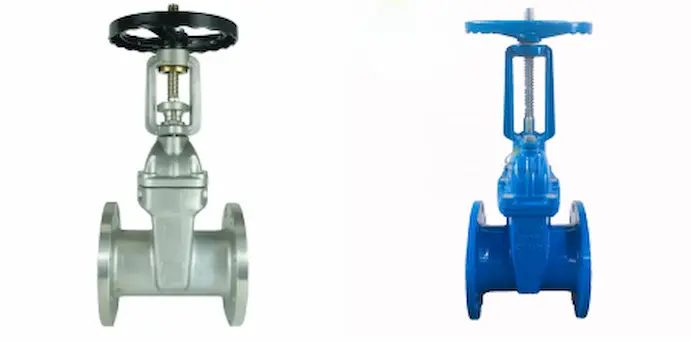
Rising Stem Gate Valves: OS&Y Design, Features and Selection Guide
Learn how rising stem gate valves use visible stem movement to indicate valve position and support safer pipeline isolation. The guide explains OS&Y gate valve construction, rising stem operation, differences from non-rising stem designs, space requirements, maintenance visibility, high-pressure service considerations, and key selection factors for oil and gas, steam, water, power, and above-ground industrial pipeline systems.