
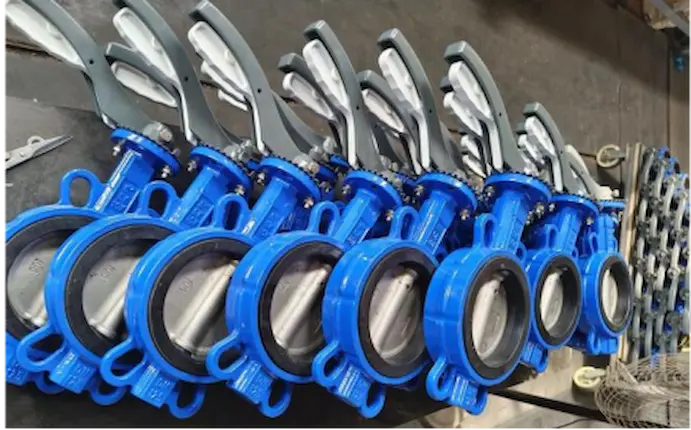
Ductile Iron Butterfly Valves for the UK Market | Vcore Valve
Explore how ductile iron butterfly valves are used in the UK market for municipal water distribution, commercial HVAC, and general industrial utility pipelines. The guide explains key buyer concerns such as material strength, resilient-seat sealing, wafer and lug body options, EN or WRAS-related compliance expectations, quality consistency, installation compatibility, and long-term supplier reliability.
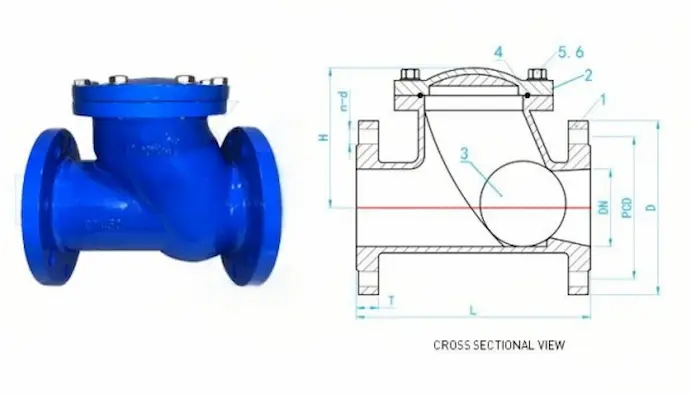
Ductile Iron Ball Check Valve Shipped to Russia | Vcore Valve
Learn how ductile iron ball check valves were selected and shipped for water and industrial pipeline applications in Russia. The case highlights key factors such as backflow prevention, PN10/PN16 pressure ratings, flanged connection, rubber-coated ball construction, cold-environment considerations, pressure testing, export packaging, and supplier reliability for international valve projects.
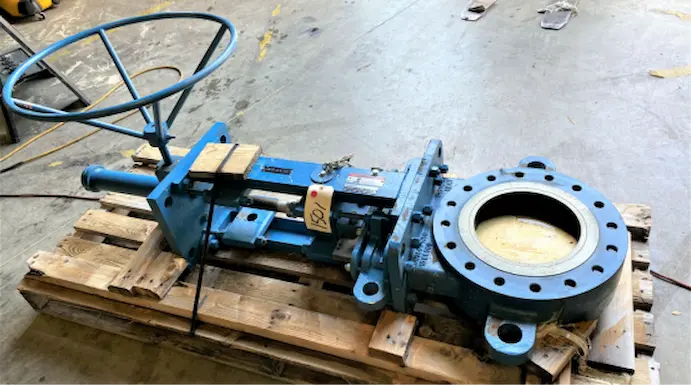
Manual Knife Gate Valves for Brazil: Slurry and Wastewater Application Case
Learn how manual knife gate valves were selected and delivered for slurry, solids, fibrous media, wastewater, and industrial discharge applications in Brazil. The case highlights key factors such as rising-stem handwheel operation, replaceable resilient seats, DN80–DN300 flanged construction, pressure and sealing tests, export packaging, and valve selection for demanding South American industrial projects.
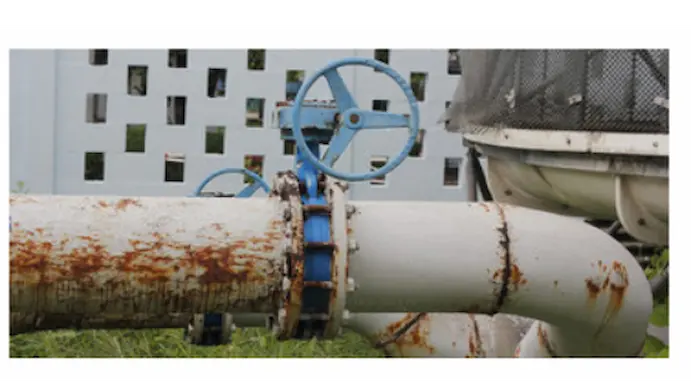
How to Fix a Leaking Butterfly Valve: Causes, Inspection and Repair Guide
Learn how to troubleshoot and repair a leaking butterfly valve by identifying whether leakage comes from the seat, shaft, flange, body, or sealing surface. The guide explains common causes such as worn seats, damaged O-rings, misalignment, over-tightened flange bolts, material incompatibility, corrosion, and excessive pressure, while outlining safe isolation, inspection, repair, replacement, and preventive maintenance steps.
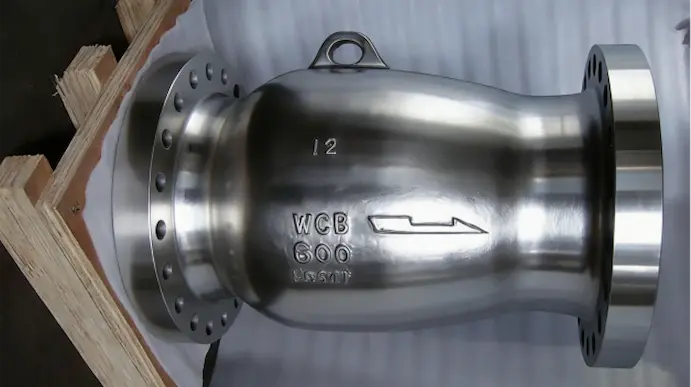
Nozzle Check Valve for Non-Slam Flow Control
Learn how nozzle check valves, also known as axial flow or non-slam check valves, use a spring-assisted axial disc to reduce reverse-flow velocity, valve slam, noise, and pressure-surge risk in pump discharge and high-flow pipeline systems. The guide explains their working principle, flow path, sealing options, material selection, pressure-loss considerations, installation limits, and key sizing factors for power, water, desalination, oil and gas, and industrial process applications.
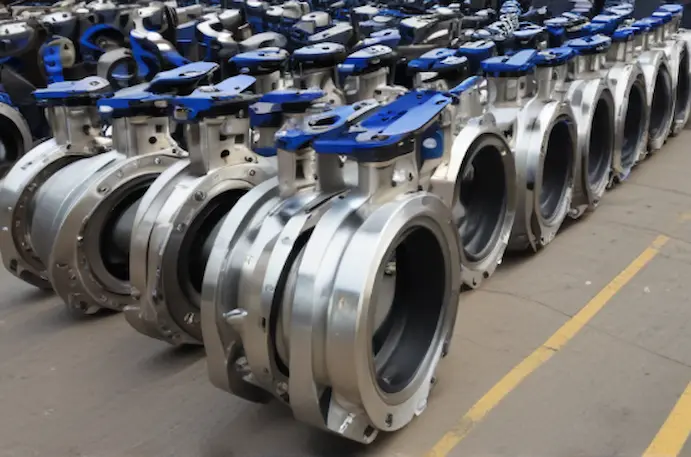
Stainless Steel Butterfly Valve: Materials, Applications and Selection Guide
Learn how stainless steel butterfly valves are selected for corrosive, hygienic, automated, and general industrial piping systems. The guide explains key factors such as stainless steel body and disc materials, wafer and lug configurations, double-offset and triple-offset designs, resilient or metal seats, actuator compatibility, pressure-drop considerations, media compatibility, and application requirements in food, chemical, water treatment, energy, and process industries.