
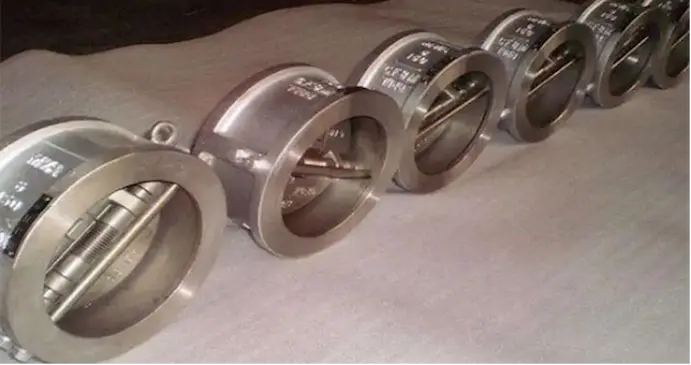
Working Principle of Double Plate Check Valve Explained
Learn how a dual-plate check valve uses two spring-assisted plates mounted around a central hinge to permit forward flow and close automatically as flow decelerates. The guide explains its opening and closing sequence, compact wafer construction, non-return function, water-hammer considerations, installation orientation, and key selection factors for pumps, water systems, HVAC, and industrial pipelines.
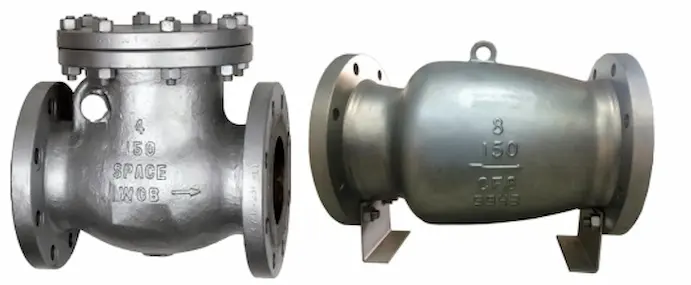
Why Install a Check Valve at the Pump Outlet?
Learn why check valves are installed at pump outlets to prevent reverse flow, reverse pump rotation, water hammer, seal damage, and unstable system operation. The guide also explains proper installation position, valve selection, and why fast-closing designs such as nozzle check valves are often preferred for pump discharge lines.
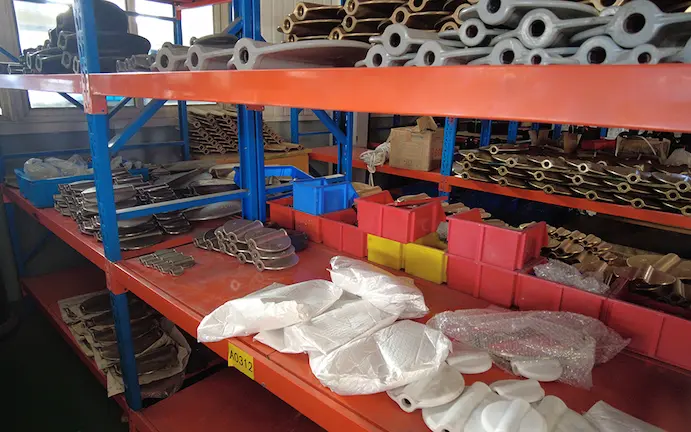
Butterfly Valve Disc Material Selection Guide
Compare common butterfly valve disc materials—including epoxy-coated ductile iron, stainless steel, aluminum bronze, and coated discs—by corrosion resistance, mechanical strength, operating torque, temperature capability, cost, and media compatibility. Epoxy-coated ductile iron suits water and HVAC systems, stainless steel is preferred for chemical and hygienic service, and aluminum bronze provides strong seawater resistance for marine and offshore applications
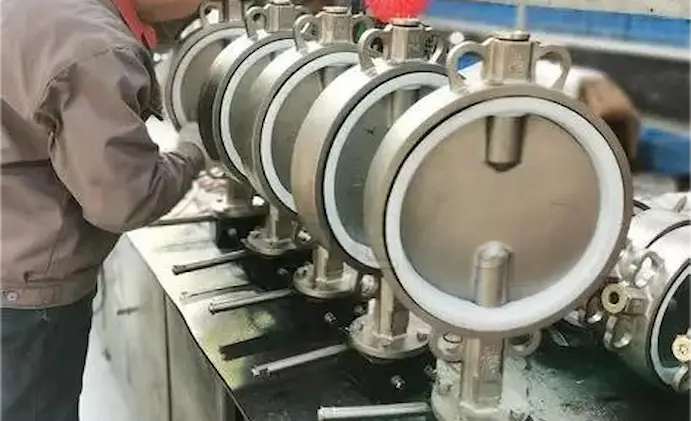
Two-Piece Shaft Butterfly Valve: Design, Applications and Selection
Learn how a Class 150 butterfly valve with a two-piece shaft design supports the disc through separate upper and lower shafts. The guide explains its construction, operating characteristics, wafer and lug body options, resilient-seat configurations, actuation compatibility, and key selection factors for water, HVAC, wastewater, and general industrial piping systems.
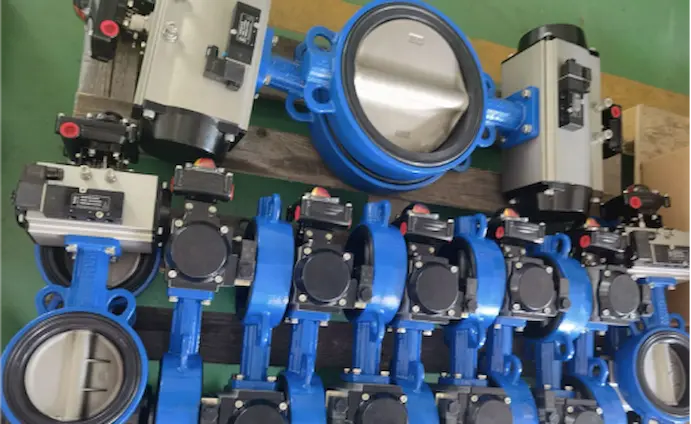
Resilient Seated Butterfly Valve Seat Design Guide
Compare booted, molded-in, and cartridge seat designs used in resilient-seated butterfly valves. The guide explains how seat retention, replaceability, flange sealing, pressure and vacuum capability, operating torque, media compatibility, maintenance access, and lifecycle requirements affect the selection of a suitable butterfly valve seat configuration.
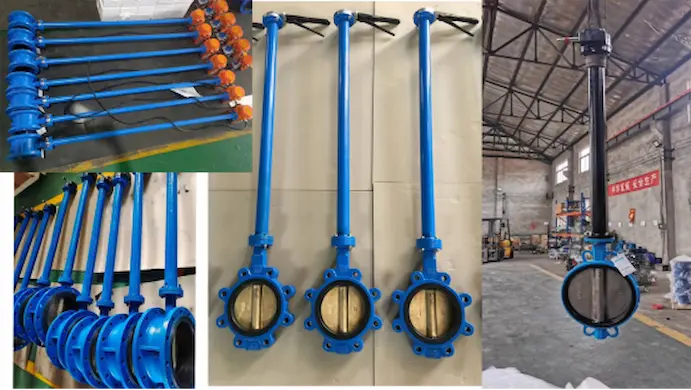
Extended Stem Butterfly Valves for Underground Pipelines
Learn how extended stem butterfly valves allow buried pipeline valves to be operated safely from ground level or inside a valve box without excavation. The guide explains stem length selection, valve box compatibility, corrosion and ingress protection, torque transmission, installation planning, and routine inspection considerations for municipal water, utility, and underground industrial pipeline systems.