
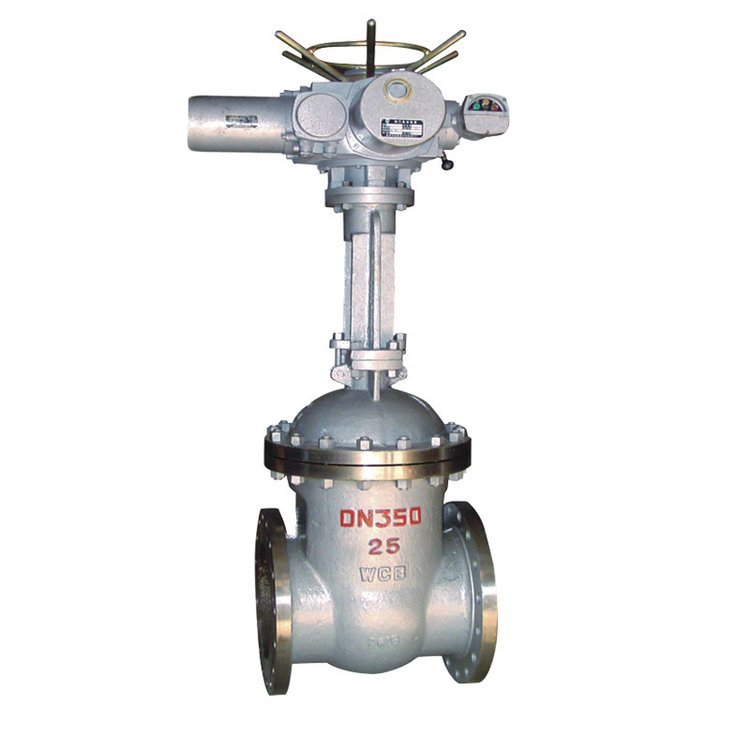
High-Temperature Valve Suppliers (≥500℃) Compliant with ISO15848: Chemical Industry Case Studies
Quick Summary The High-temperature valve (≥500℃) compliant with ISO15848 is
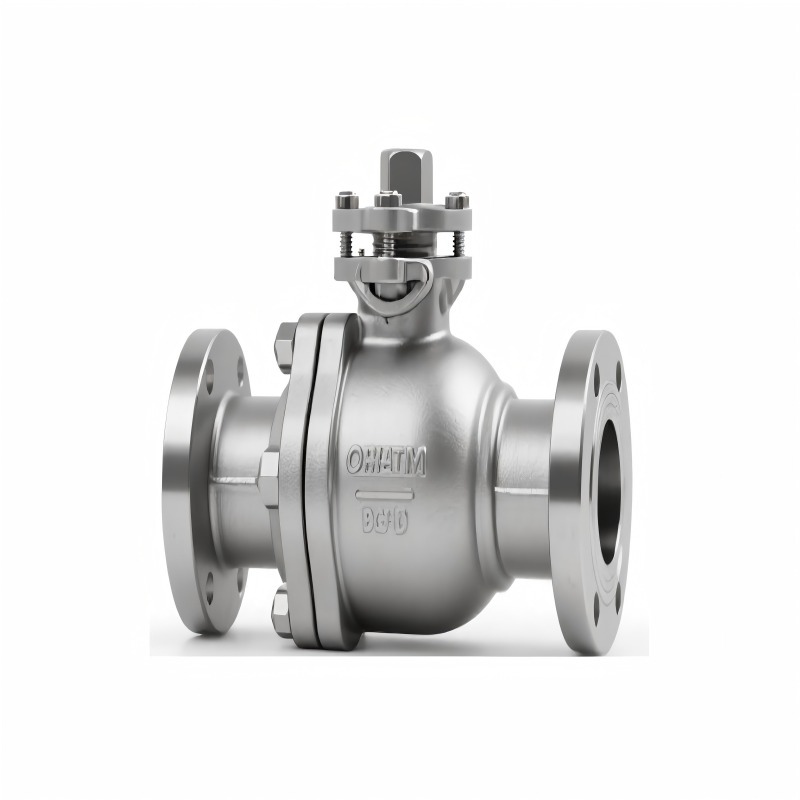
Full Port Ball Valve: The Ultimate Solution for Unobstructed Industrial Flow
Quick Summary The Full Port Ball Valve (or full-bore ball
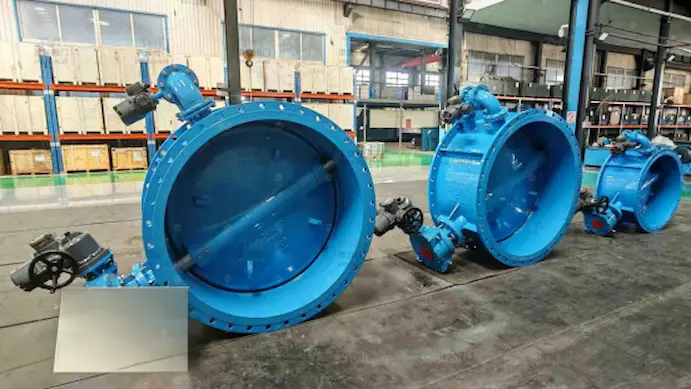
Factors Affecting Butterfly Valve Prices | Vcore Valve
Quick Summary The butterfly valve price can vary significantly—even for
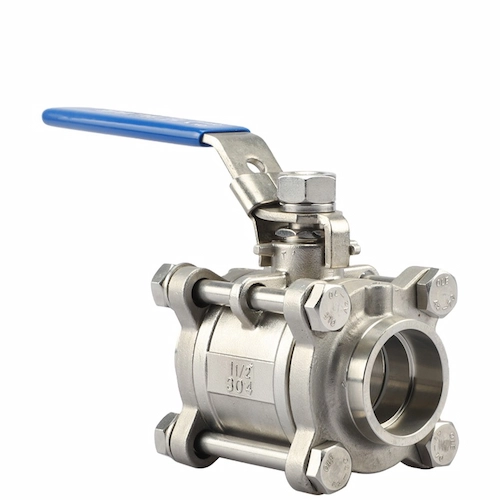
2PC vs 3PC Ball Valve: Key Differences & Which to Choose
Compare 2-piece and 3-piece ball valves by body construction, maintenance access, installation space, cost, pressure capability, and application. Two-piece ball valves offer a compact and economical solution for general water, air, HVAC, and low-maintenance pipelines, while three-piece ball valves allow easier in-line servicing and component replacement for chemical, high-pressure, sanitary, and frequently maintained industrial systems.
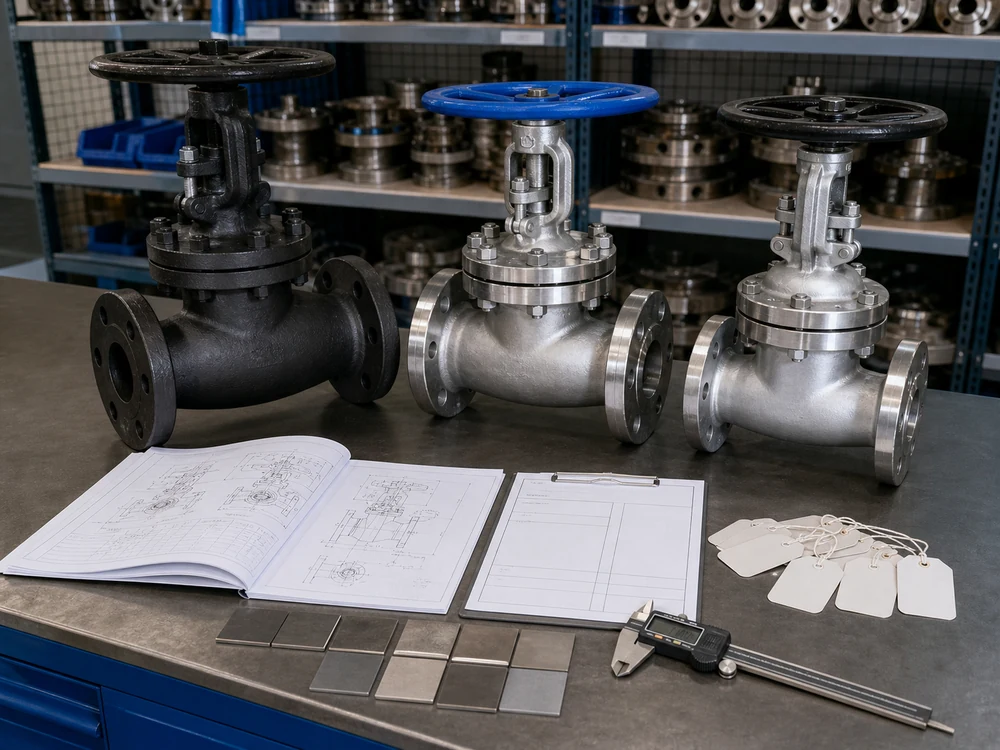
Valve OEM and ODM Process for Custom Industrial Valves
A buyer-focused guide to valve OEM and ODM projects, covering responsibility boundaries, RFQ inputs, design review, material traceability, manufacturing controls, inspection, testing, documentation, private labelling and delivery.
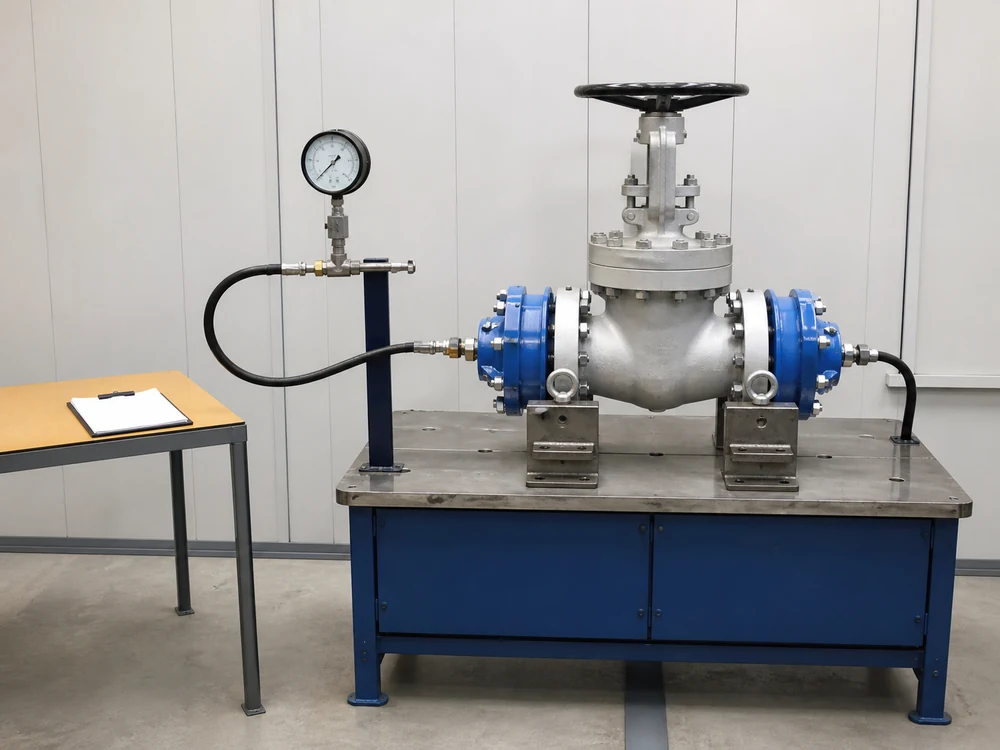
Valve Pressure Units Explained: MPa, Bar, PSI, PN and Class
A practical guide to converting MPa, bar, PSI, kPa and kgf/cm², distinguishing pressure units from PN and ASME Class designations, and preparing accurate industrial valve specifications.