
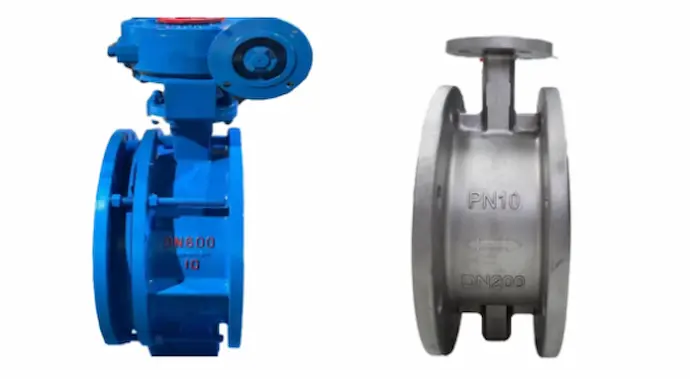
Understanding the Valve Arrow on Butterfly Valve Bodies
Learn what the arrow marked on a butterfly valve body or nameplate may indicate and why it must be checked before installation. The guide explains flow direction, preferred pressure orientation, manufacturer markings, valve alignment, and installation practices that help maintain reliable sealing, correct operating torque, and longer valve service life.
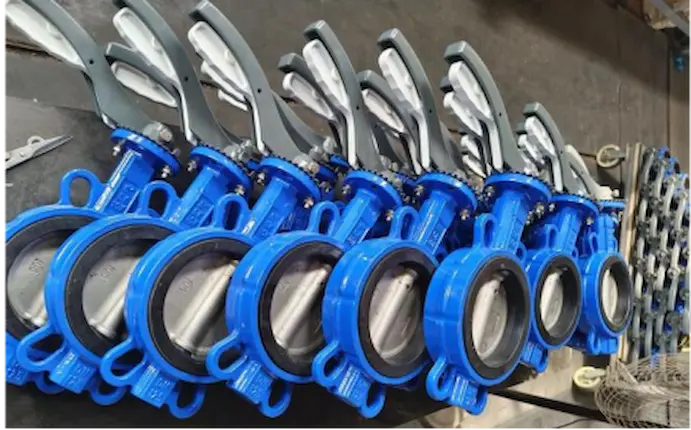
Why Conventional Butterfly Valves May Be Unsuitable for Abrasive Dry Bulk Solids
Learn why conventional butterfly valves may experience abrasion, particle packing, seat damage, flow restriction, and incomplete shutoff when handling dry powders and granular materials. The guide explains the limitations of standard butterfly valve designs and outlines key factors for selecting purpose-built bulk-solids valves, slide gates, rotary airlocks, or feeding equipment for cement, mining, food, and powder-processing systems.
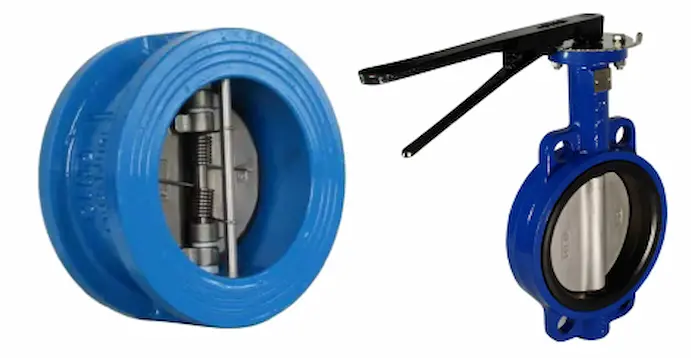
What is the Difference Between Butterfly Valve and Butterfly Check Valve?
Compare butterfly valves and butterfly check valves by operating function, disc movement, flow direction, installation, maintenance, and application. Butterfly valves are manually or automatically operated for pipeline isolation and throttling, while butterfly check valves operate automatically to allow one-way flow and prevent reverse flow in water, cooling, HVAC, chemical, and industrial piping systems.
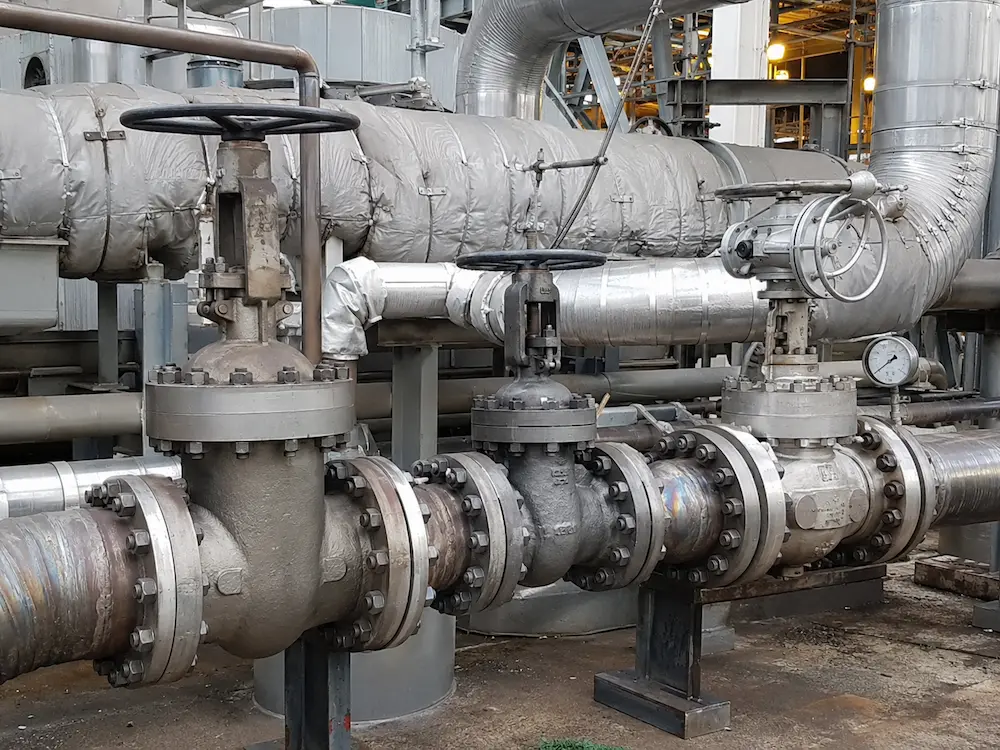
High Temperature High Pressure Valves: Materials, Seats and Selection Guide
Learn how to choose high temperature high pressure valves by valve type, body material, trim, seat, graphite packing, gasket, pressure-temperature rating, steam service, testing documents and project requirements.
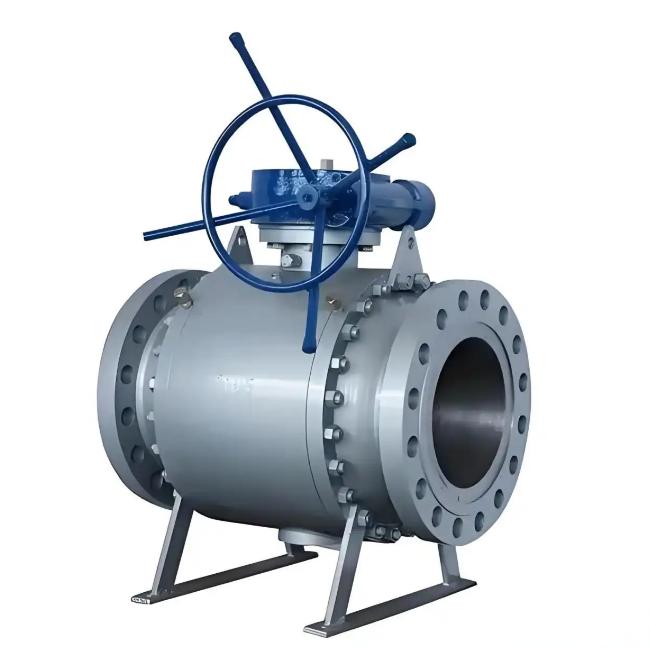
The Full Port Ball Valve vs. Standard Ball Valves: Which Delivers Better Industrial Performance?
Compare full-port and standard ball valves by bore diameter, flow capacity, pressure loss, pigging compatibility, installation size, and cost. Full-port ball valves provide an unrestricted flow path for high-flow, long-distance, and critical industrial pipelines, while standard reduced-port valves offer a more compact and economical option for low-flow, non-critical water, air, and general piping systems.
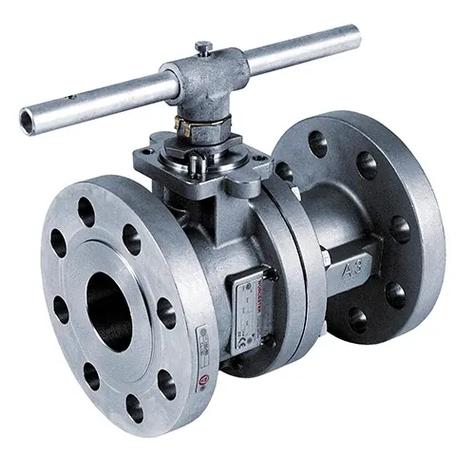
Full Port Ball Valve Maintenance and Repair Guide
Learn how to maintain and repair full port ball valves used in industrial pipelines, water systems, chemical service, oil and gas, steam, and utility applications. This guide explains routine inspection, leakage checks, stem and seat maintenance, media-compatible lubrication, torque monitoring, spare-part selection, pressure and seat leakage testing, repair-or-replace decisions, and common mistakes that can lead to stem seizure, internal leakage, corrosion, and premature valve failure.