
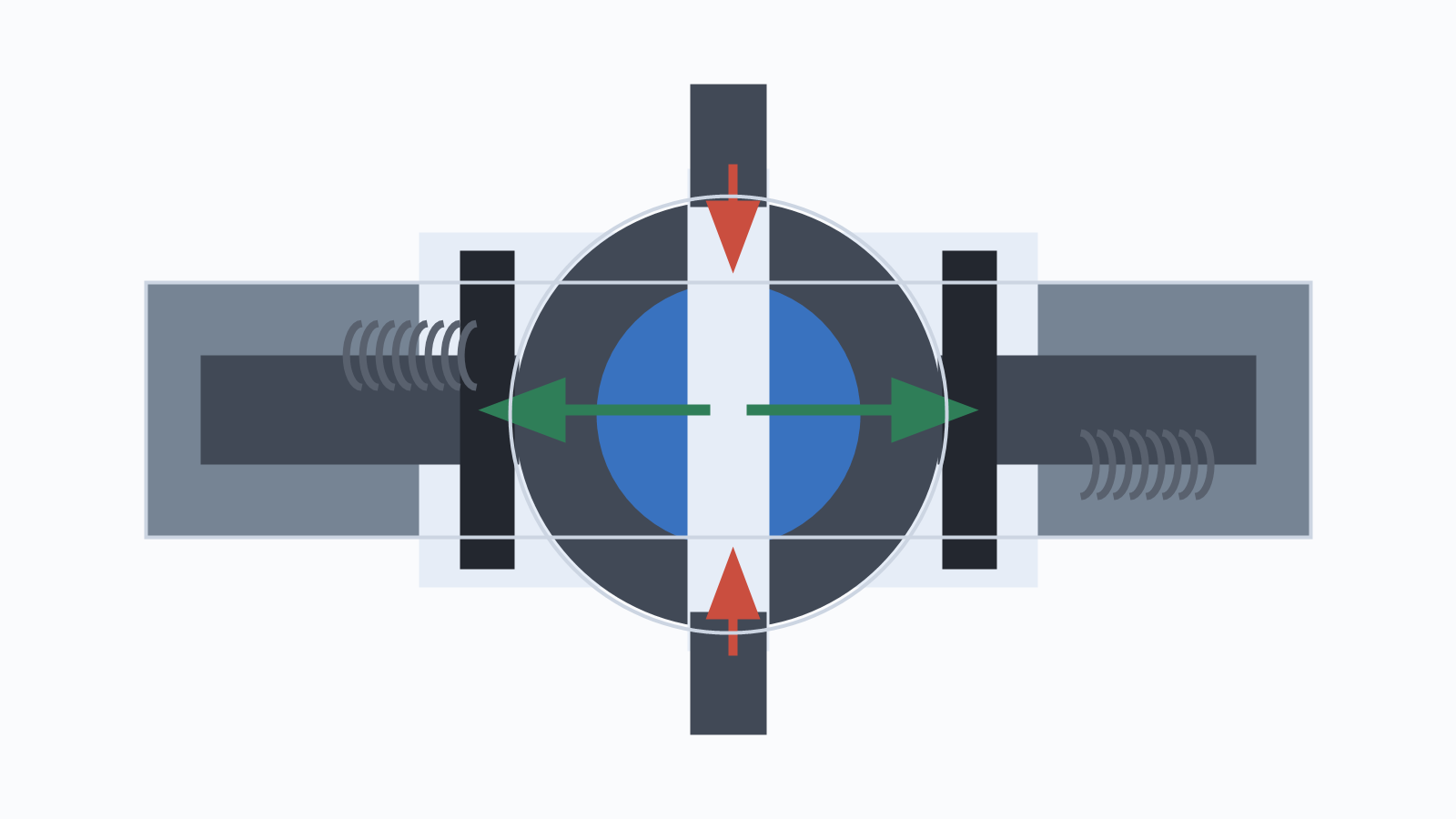
Ball Valve Cavity Relief: Thermal Expansion, SPE vs DPE and DBB/DIB
Ball valve cavity relief protects an isolated body cavity from pressure rise caused by trapped fluid and thermal expansion. This guide explains SPE and DPE seat behavior, DBB/DIB configurations, cryogenic service and cavity relief selection.
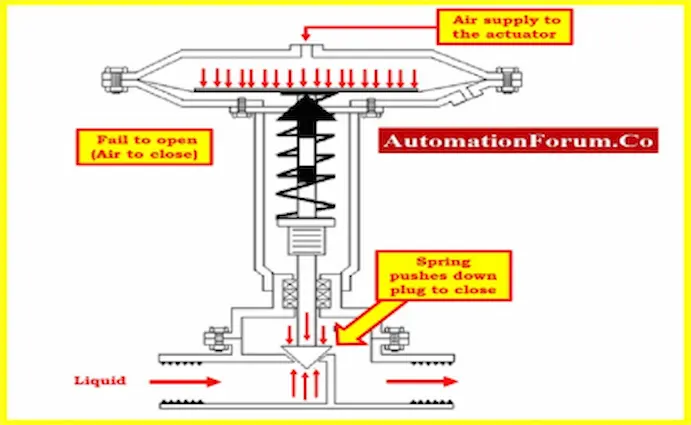
What Is the Difference Between a Fail-Close and Fail-Open Valve?
Compare fail-closed and fail-open valves by their response to loss of power, air supply, or control signal. The guide explains how fail-closed configurations stop potentially hazardous flow, while fail-open configurations maintain essential cooling, venting, or circulation, and outlines the safety, actuator, differential-pressure, and process requirements that determine the correct failure position.
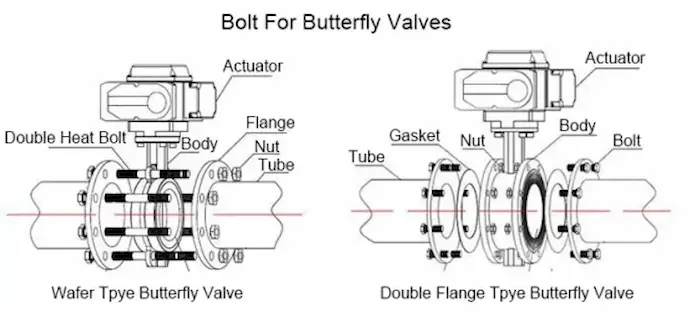
A Complete Guide on Valve Installation: Butterfly Valve Bolt Chart and Best Practices
Learn the essential steps for correct butterfly valve installation, including valve sizing, flange alignment, bolt selection, controlled tightening, gasket and seat protection, and post-installation leak testing. The guide explains how proper installation practices help prevent leakage, flange damage, valve-body distortion, premature seal failure, and unnecessary maintenance.
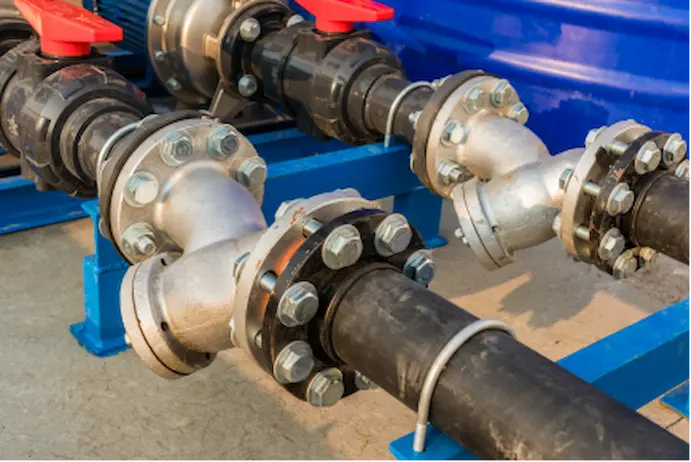
Where Should You Place the Y-Strainer in Your Piping System?
Learn where to install a Y-strainer in a piping system to protect pumps, control valves, flow meters, and other sensitive equipment from debris. The guide explains upstream placement, flow-direction requirements, installation orientation, maintenance accessibility, mesh and sizing considerations, and cleaning practices that help reduce clogging, pressure loss, equipment damage, and unplanned downtime.
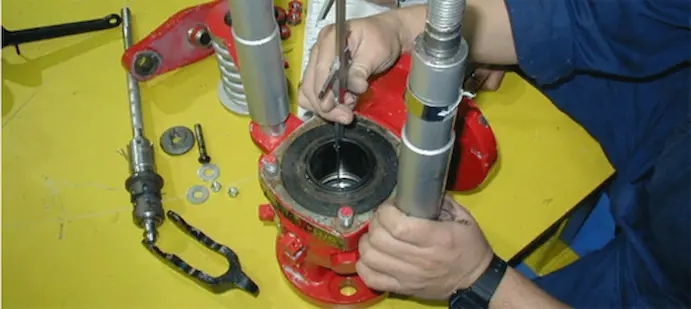
Basic Knowledge and Measures for Valve Corrosion Prevention
Learn what causes corrosion in industrial valves and how it can lead to leakage, reduced sealing performance, structural damage, and premature valve failure. The guide explains practical prevention measures, including service-compatible material selection, protective coatings, routine inspection, moisture control, and timely maintenance for water, chemical, gas, and corrosive process systems.
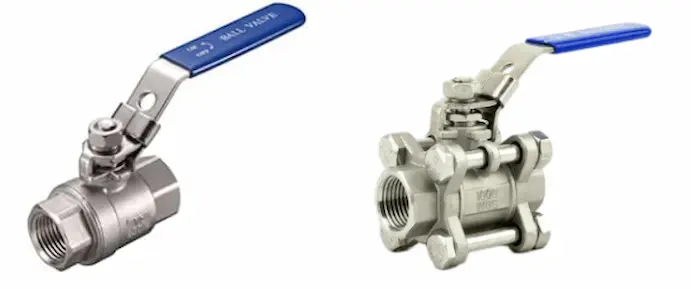
Lockable Ball Valves: Enhancing Industrial Safety and Control
Learn how lockable ball valves help prevent unauthorized or accidental operation by securing the valve in an open or closed position. The guide explains their role in lockout/tagout procedures, maintenance isolation, hazardous-energy control, selection, inspection, and safe operation in industrial fluid and gas systems.