
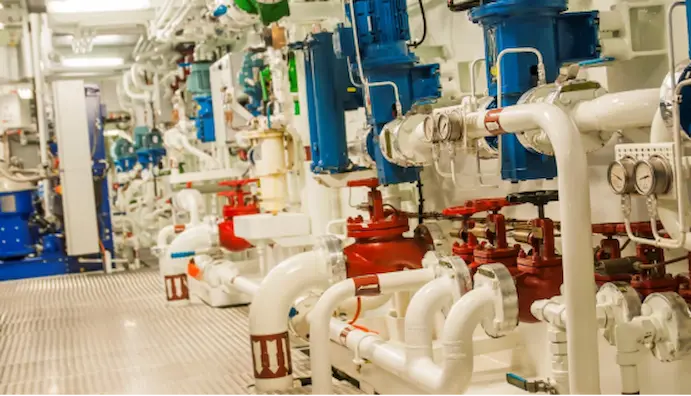
Best Valves for Seawater Applications
Valves for seawater applications need chloride corrosion review, suitable materials, lining or coating, and clear RFQ data for seawater valve selection.
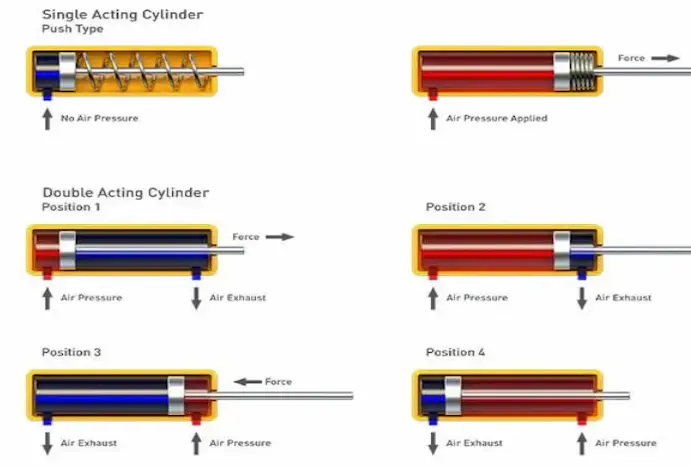
Difference Between Single-Acting and Double-Acting Actuators
Compare single-acting and double-acting actuators by operating principle, fail-safe function, air consumption, torque output, control capability, maintenance, and application. Single-acting actuators use spring return for automatic fail-open or fail-close operation, while double-acting actuators use air or power in both directions to provide higher torque and more consistent control for demanding valve automation systems.
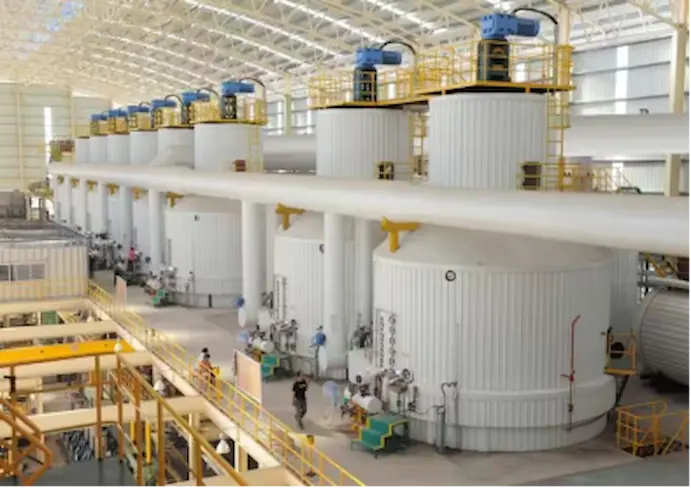
Valves for Sugar Industry
Explore the main valve types used in sugar mills and sugar-processing plants for syrup handling, steam service, cooling water, isolation, and flow control. The guide explains how viscosity, sugar deposits, corrosion, abrasion, temperature, hygiene requirements, and control accuracy affect valve material, design, and application selection.
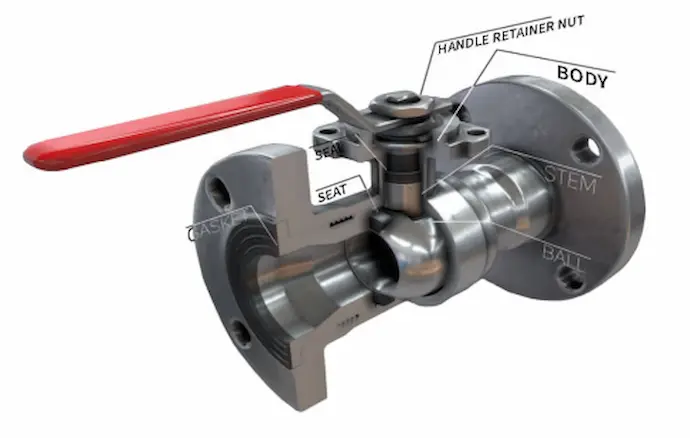
Why Ball Valves are the Best Choice for Gases
Learn why ball valves are widely used for natural gas, industrial gas, biogas, and other pressurized gas systems. The guide explains their quarter-turn operation, tight shutoff, low flow resistance, pressure capability, material options, and key selection factors for reducing leakage and maintaining safe, reliable gas isolation.
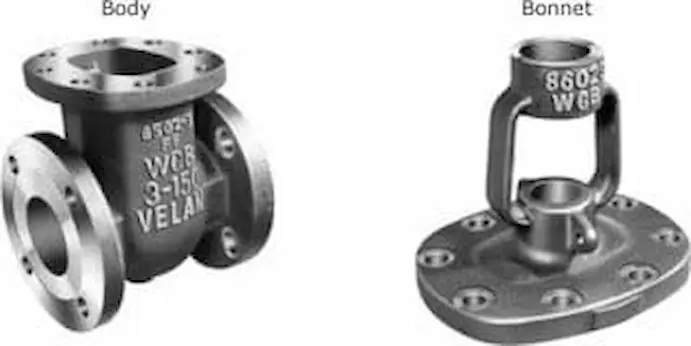
Overview of Valve Bonnets: Crucial Parts of Industrial Valves
Learn how valve bonnets form the upper pressure boundary of industrial valves while supporting the stem, packing, sealing components, and operating mechanism. The guide compares bolted, welded, and union bonnet designs and explains how pressure, temperature, corrosion resistance, sealing integrity, material selection, and maintenance requirements affect bonnet selection and valve reliability.
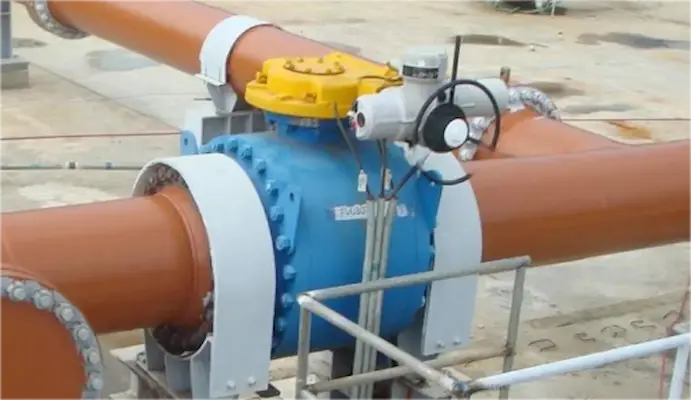
Best Valves for Slurry Applications
Explore the best valve options for abrasive, viscous, and solids-containing slurry systems. The guide compares slurry ball valves, eccentric plug valves, and knife gate valves while explaining how particle size, viscosity, abrasion, corrosion, sealing performance, flow efficiency, and operating frequency affect valve selection and service life.