
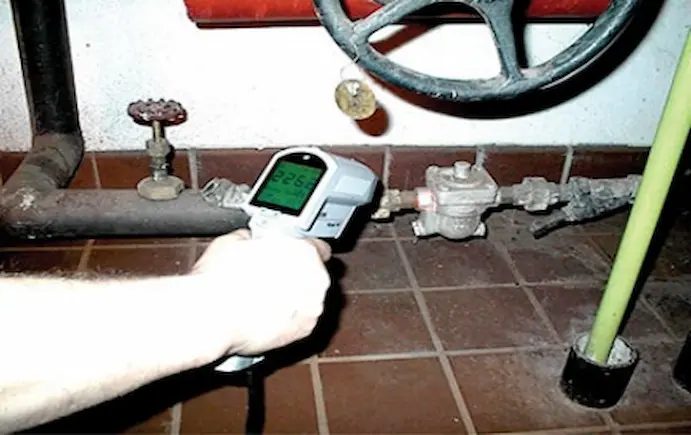
Essential Tips for Installing Steam Traps in Industrial Systems
Learn how to install steam traps correctly for efficient condensate and non-condensable gas removal in industrial steam systems. The guide covers steam trap selection and sizing, installation orientation, common mistakes, routine inspection, and maintenance practices that help reduce steam loss, water hammer, equipment damage, energy consumption, and unplanned downtime.
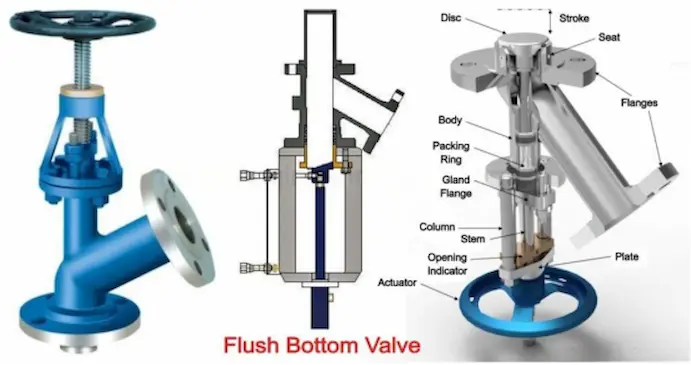
Flush Bottom Valve: Definition, Types, Components, Working, and Advantages
Learn how flush bottom valves provide complete and controlled discharge from tanks, reactors, and process vessels while reducing residue accumulation, contamination, and flow blockage. The guide explains common valve types, components, operating principles, advantages, and selection factors for viscous liquids, slurries, volatile fluids, and other demanding process media.
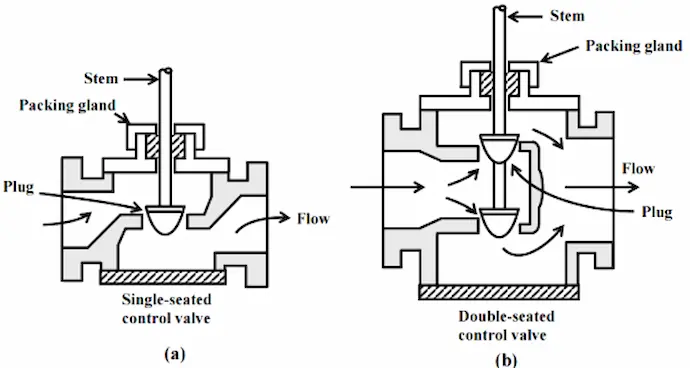
Single-Seated vs Double-Seated Control Valves: Which One is Right for Your System?
Compare single-seated and double-seated control valves by seat configuration, shutoff performance, pressure balancing, flow capacity, actuator requirements, maintenance, and application. Single-seated valves generally provide tighter shutoff and simpler maintenance, while double-seated valves handle higher flow rates and pressure differentials with lower actuator force.
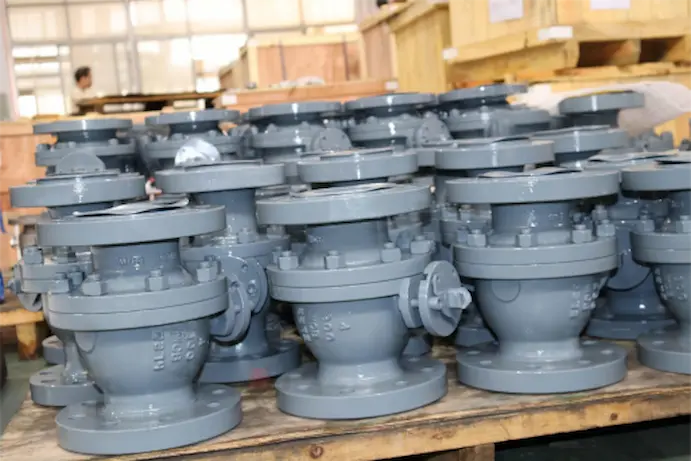
Fireproof & Anti-Static D-Ball Valves: Ensuring Industrial Safety
Learn how fire-safe and anti-static D-ball valves reduce ignition, fire, and explosion risks in systems handling flammable liquids and gases. The guide explains their fire-resistant sealing, static-charge dissipation, operating benefits, selection considerations, and applications in oil and gas, petrochemical, refinery, chemical-processing, and offshore systems.
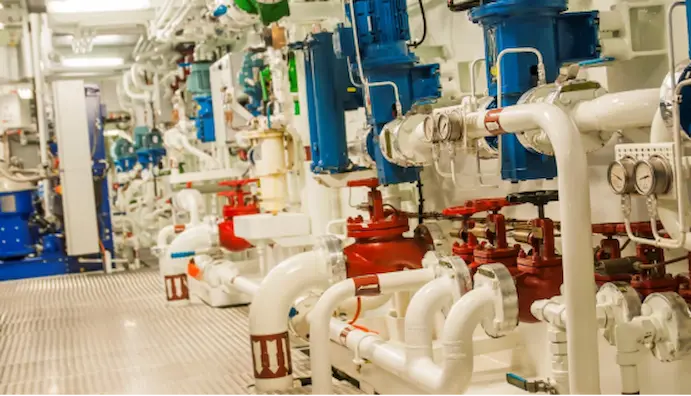
Best Valves for Seawater Applications
Valves for seawater applications need chloride corrosion review, suitable materials, lining or coating, and clear RFQ data for seawater valve selection.
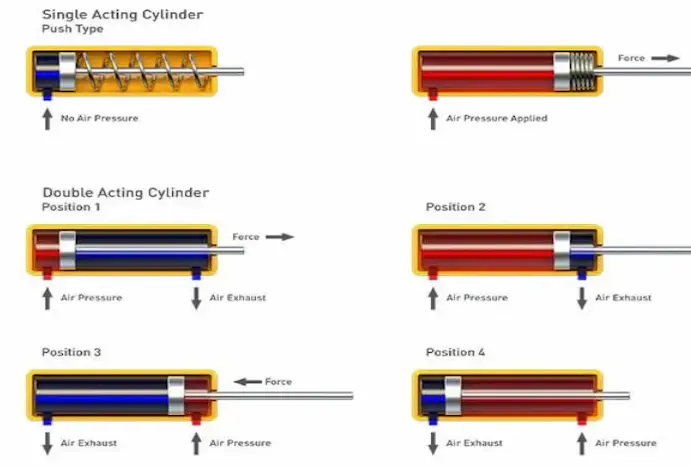
Difference Between Single-Acting and Double-Acting Actuators
Compare single-acting and double-acting actuators by operating principle, fail-safe function, air consumption, torque output, control capability, maintenance, and application. Single-acting actuators use spring return for automatic fail-open or fail-close operation, while double-acting actuators use air or power in both directions to provide higher torque and more consistent control for demanding valve automation systems.