
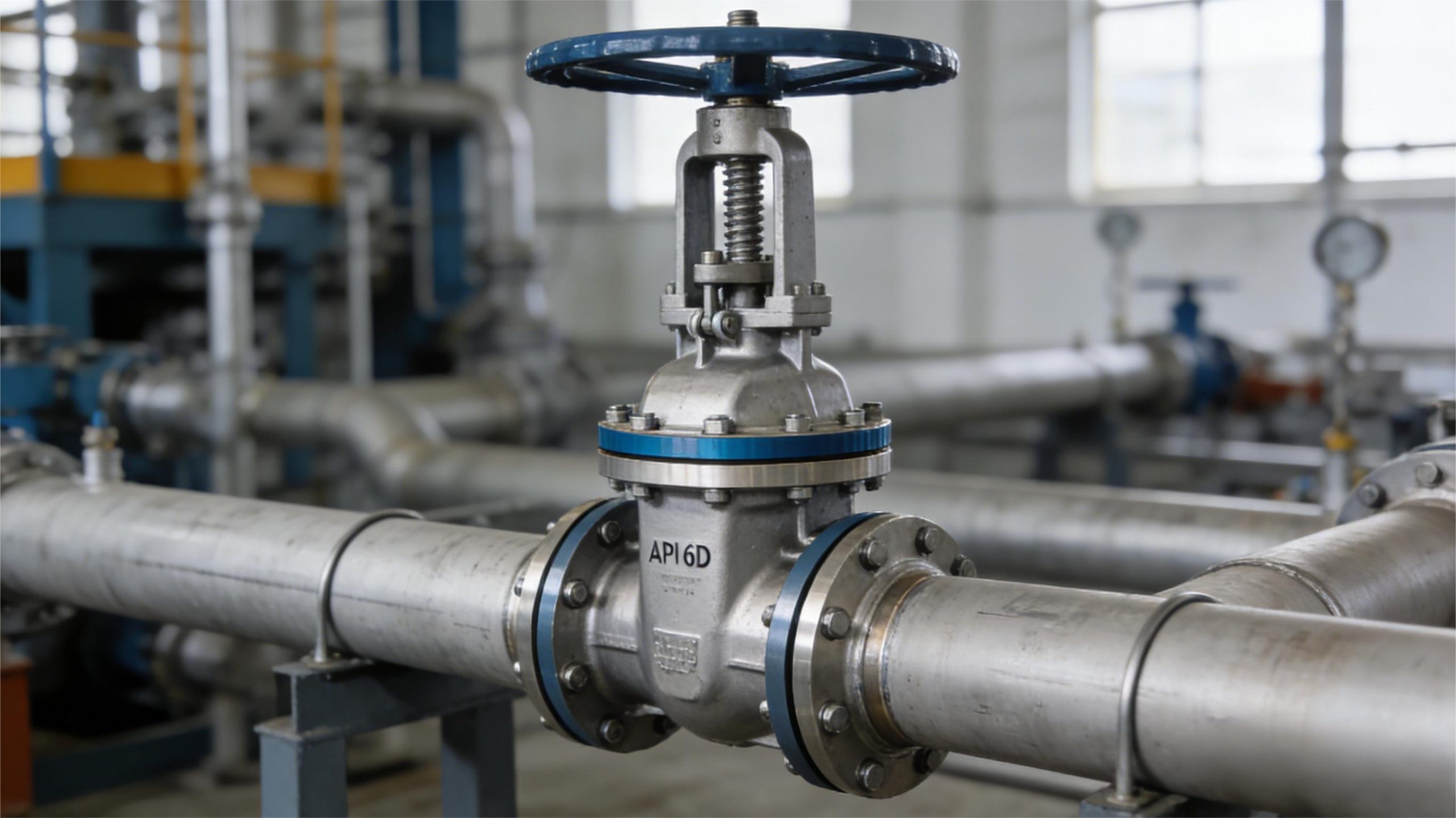
API 6D : Industrial Valve Benchmark for Oil & Gas Pipelines
Quick Summary API 6D is the American Petroleum Institute’s flagship
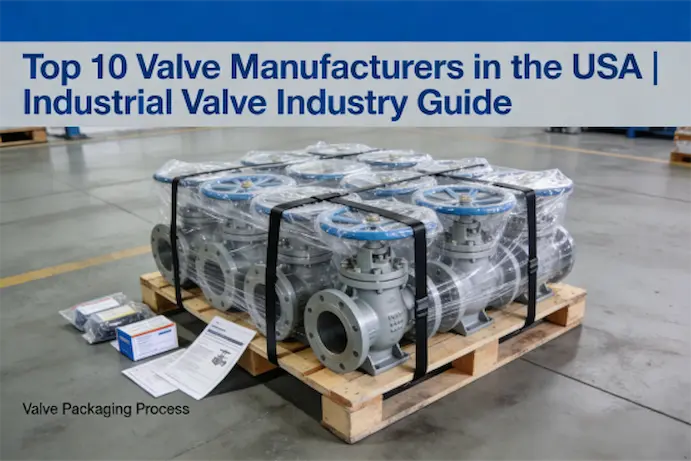
Top 10 Valve Manufacturers in the USA | Industrial Valve Industry Guide
This 2026 guide reviews leading valve manufacturers and major valve suppliers active in the U.S. market. It compares companies by core valve products, typical industries, technical strengths, and buyer suitability rather than using a simple brand ranking. The goal is to help industrial buyers quickly understand which manufacturers are stronger in control valves, engineered valves, chemical process valves, water and wastewater valves, oilfield valves, instrumentation valves, and severe-service applications.
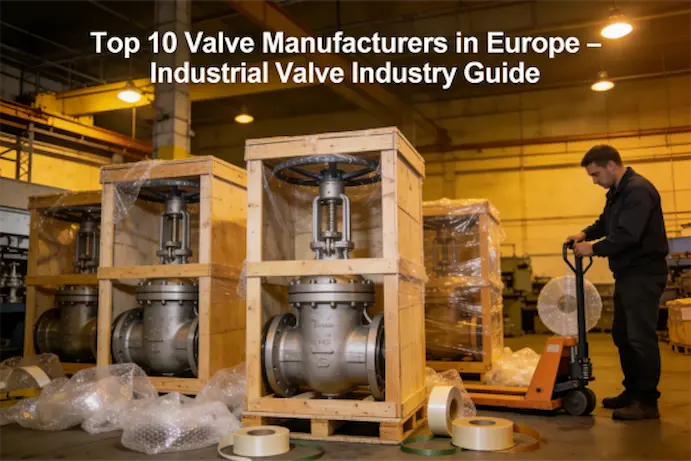
Top 10 Valve Manufacturers in Europe – Industrial Valve Industry Guide
Explore ten notable valve manufacturers in Europe, comparing their core products, engineering specialties, target industries, international presence, and buyer suitability. The guide covers suppliers specializing in control valves, safety valves, oil and gas pipeline valves, cryogenic equipment, steam systems, municipal water infrastructure, and severe-service flow control, while emphasizing certification, technical documentation, testing capability, and project-specific supplier evaluation.
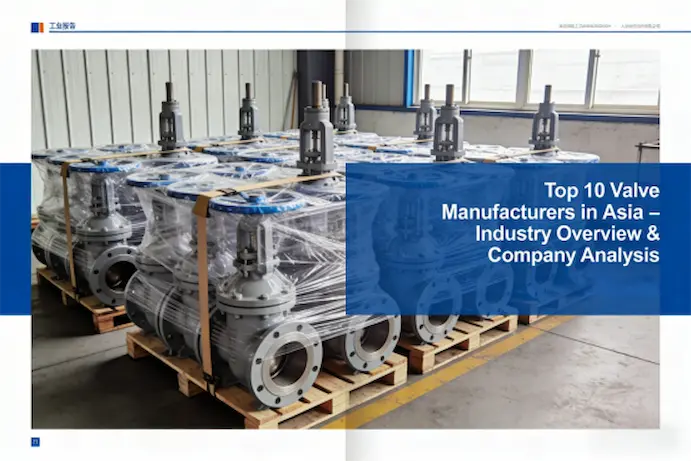
Top 10 Valve Manufacturers in Asia – Industry Overview & Company Analysis
Explore ten notable valve manufacturers in Asia, comparing their countries, core product lines, technical strengths, target industries, certifications, and international project experience. The guide covers manufacturers from China, Japan, South Korea, and India serving oil and gas, petrochemical, power generation, marine, HVAC, water infrastructure, and industrial pipeline applications, while emphasizing certification verification, material traceability, pressure testing, documentation, lead time, and export capability when selecting a supplier.
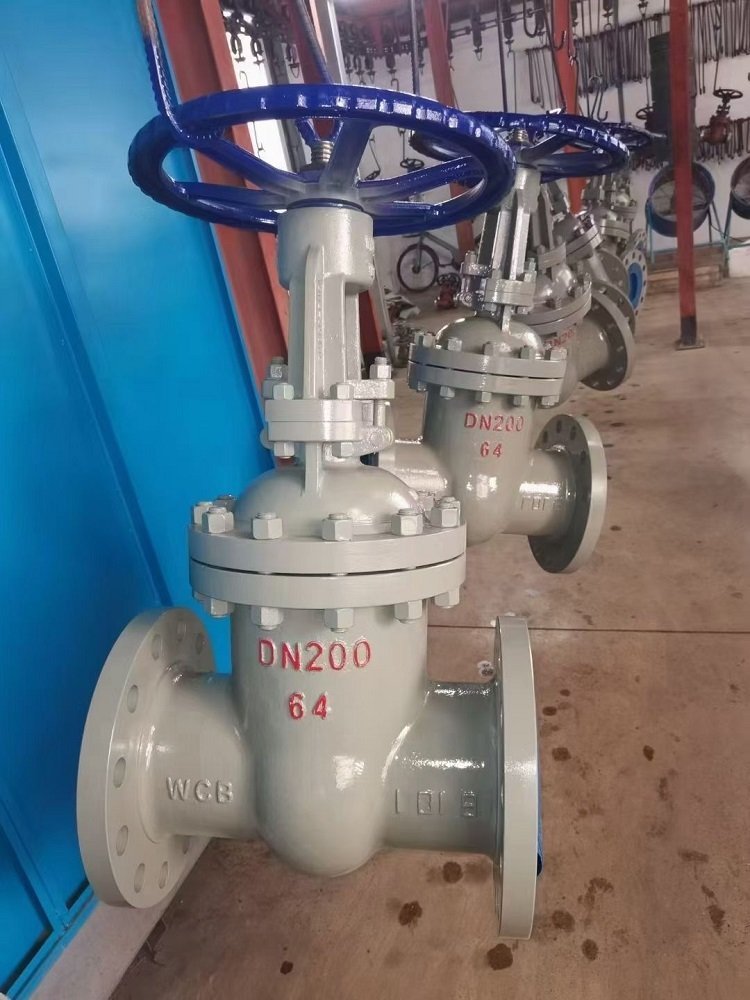
API 600 Standard: A Complete Guide for Industrial Gate Valves (2026)
Quick Summary API 600 is a globally recognised standard developed by
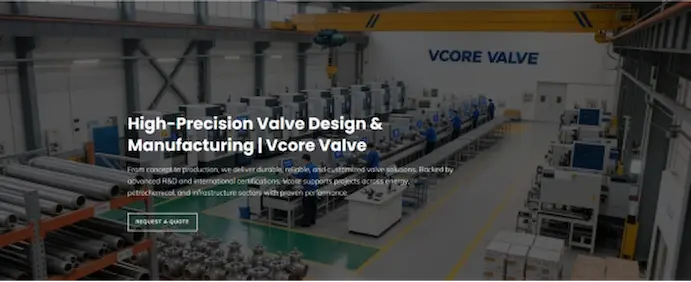
Top 10 Valve Manufacturers in China (2026 Buyer’s Guide)
Explore ten notable valve manufacturers in China in 2026, comparing their core products, technical capabilities, target industries, export experience, and buyer suitability. The guide covers suppliers serving oil and gas, petrochemical, power generation, municipal water, mining, and general industrial projects, while highlighting key selection factors such as API and ISO compliance, testing capability, documentation, customization, production capacity, and project experience.