
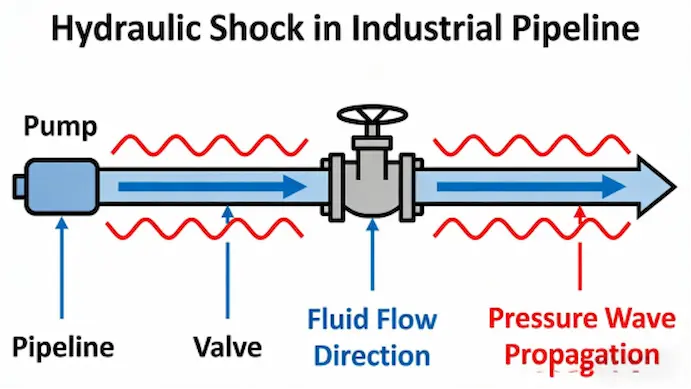
Water Hammer Explained: Causes and Solutions
Learn what causes water hammer in pipeline systems and how sudden valve closure, pump shutdown, trapped air, and high flow velocity create damaging pressure surges. The guide explains practical prevention methods, including water hammer arrestors, non-slam check valves, slow-closing valves, controlled pump operation, surge protection, and routine system maintenance.
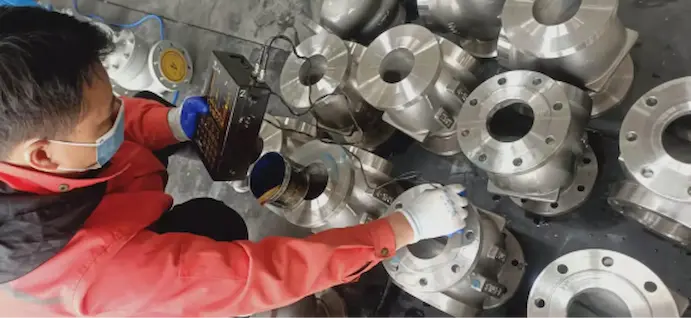
Industrial Valve Manufacturing: From Casting to Final Testing
Learn how industrial valves are manufactured from raw material inspection, casting or forging, CNC machining, surface treatment, assembly, pressure testing, seat leakage testing, functional inspection, and final documentation. This guide explains how material traceability, machining accuracy, quality control, applicable valve standards, pressure testing, inspection records, and supplier manufacturing capability help buyers evaluate valve quality for oil and gas, chemical processing, power generation, water treatment, and industrial pipeline projects.
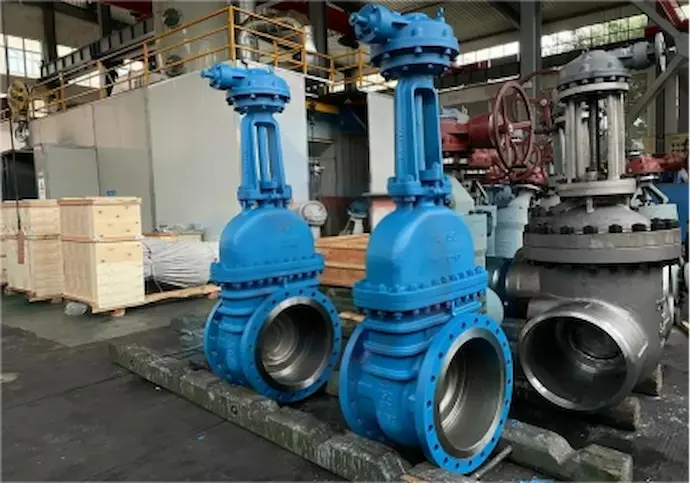
How to Prevent Thermal Binding in Gate Valves
Quick Overview Thermal binding in gate valves is a critical
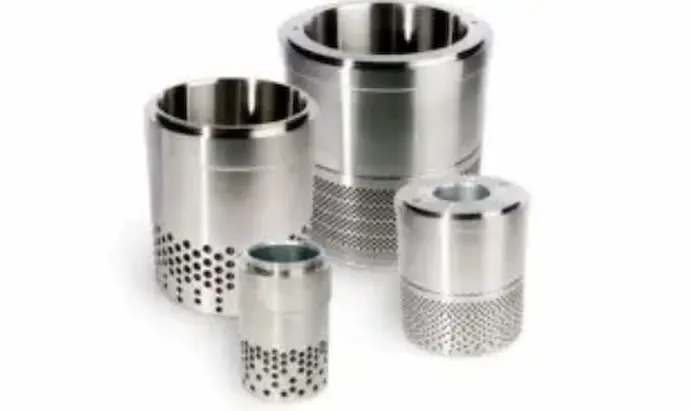
Control Valve Trim Options for Cavitation and Noise Reduction
Explore control valve trim options for reducing cavitation, vibration, and excessive noise in high-pressure systems. The guide compares multi-hole cage, multi-stage pressure-reduction, labyrinth, and low-noise trims while explaining how pressure drop, fluid properties, flow velocity, and noise limits affect trim selection and valve service life.
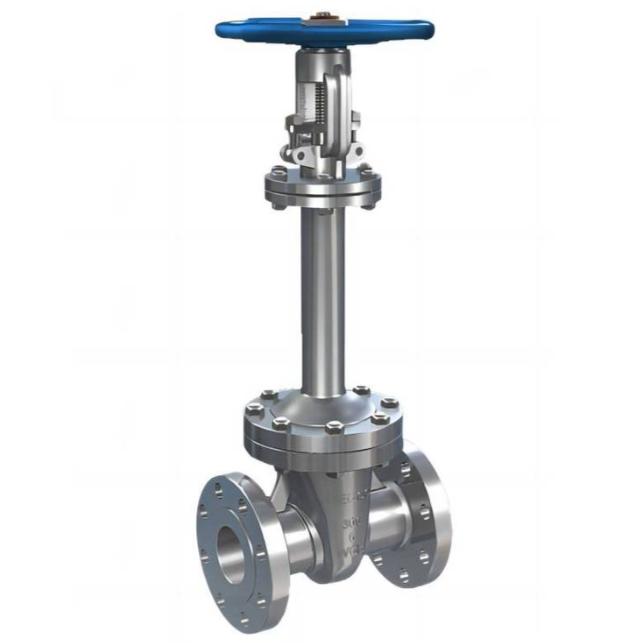
Cryogenic Valves for LNG: Design & Standards
Quick Summary Cryogenic Valves are the backbone of LNG infrastructure,
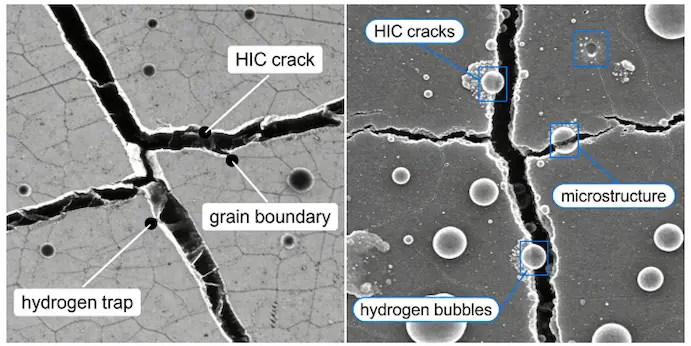
Hydrogen Induced Cracking (HIC) Explained for Valves
Learn how hydrogen-induced cracking (HIC) develops inside steel valve bodies and pressure components exposed to hydrogen sulfide and sour-service environments. The guide explains the causes, failure risks, material-selection requirements, NACE MR0175/ISO 15156 compliance, HIC testing, and inspection practices used to prevent hidden cracking and unexpected valve failure.