
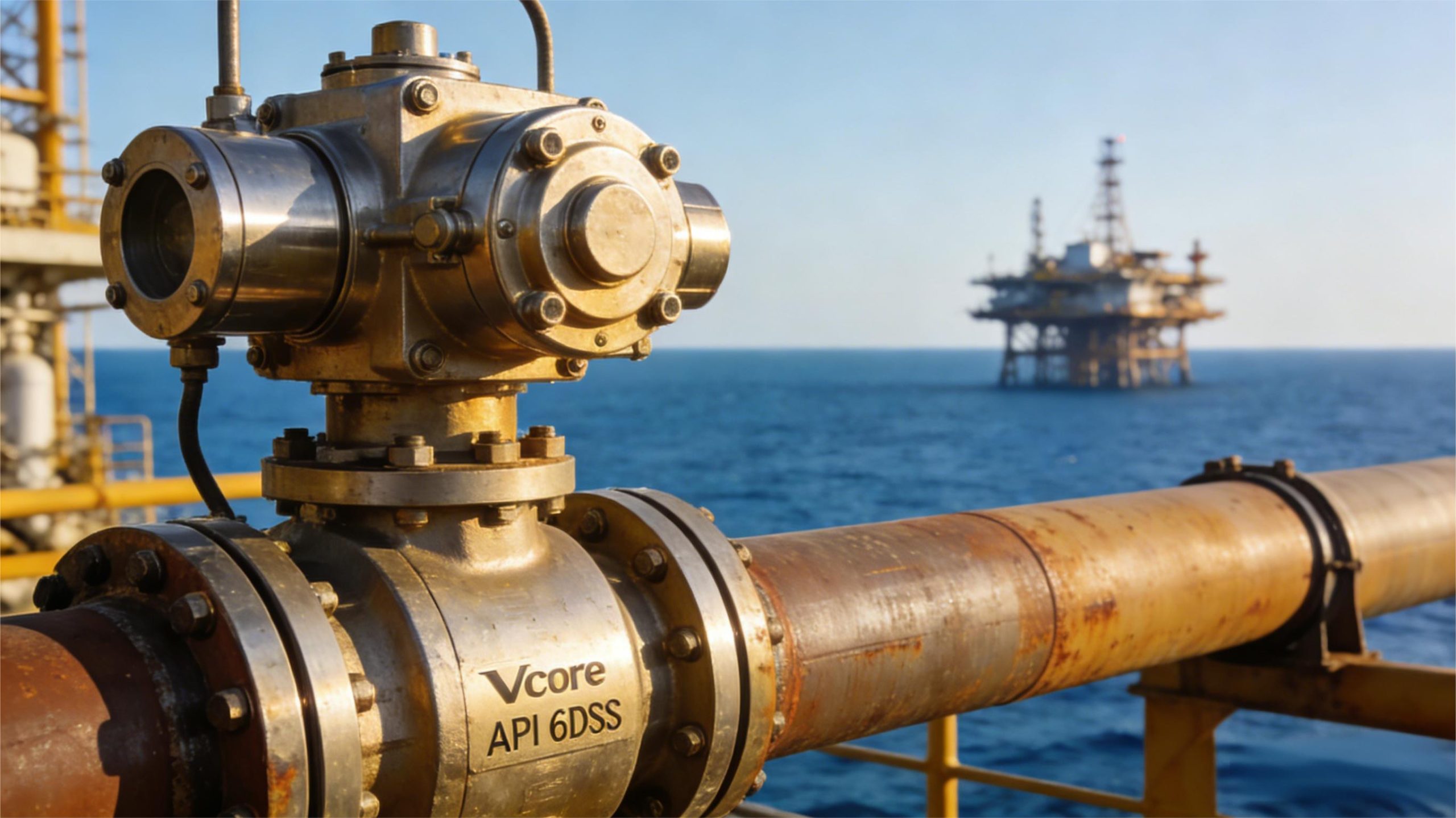
API 6DSS Subsea Valves vs API 6D: What’s the Critical Difference?
API 6DSS vs API 6D explained for subsea valve procurement: scope, current API editions, external pressure, materials, corrosion protection, DBB/DIB, cavity relief, actuation, testing and RFQ checklist.
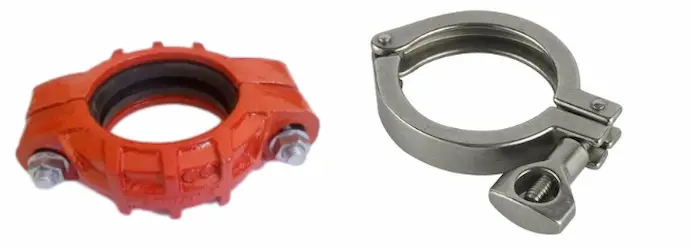
Clamp Connection vs Grooved Connection: Differences, Applications and Selection Guide
Compare clamp connections and grooved connections for industrial piping and valve systems. This guide explains how sanitary clamp or tri-clamp connections are used in hygienic food, beverage, pharmaceutical, biotech, and clean-process systems, while grooved pipe couplings are commonly used in HVAC, fire protection, industrial water, utility, and larger steel piping systems. Learn the differences in hygiene performance, pipe size range, pressure capability, gasket selection, installation speed, maintenance access, mechanical restraint, standards, and key selection factors.
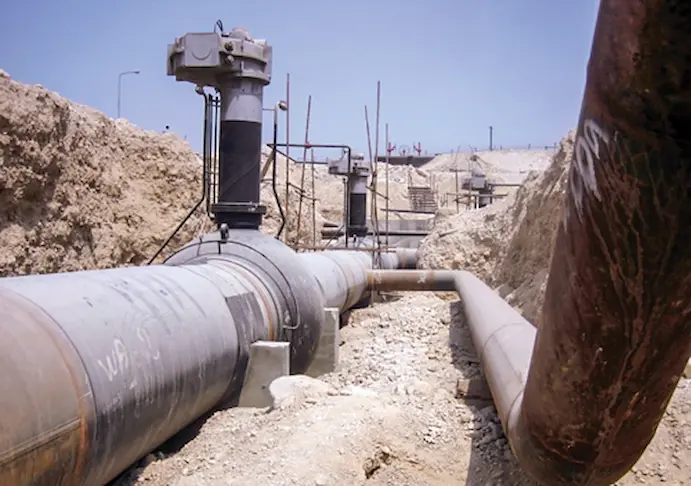
Buried Valve Guide: Applications and Selection
Learn how to select buried valves for underground pipelines, including valve types, corrosion protection, extension stems, valve boxes, installation depth and RFQ details.
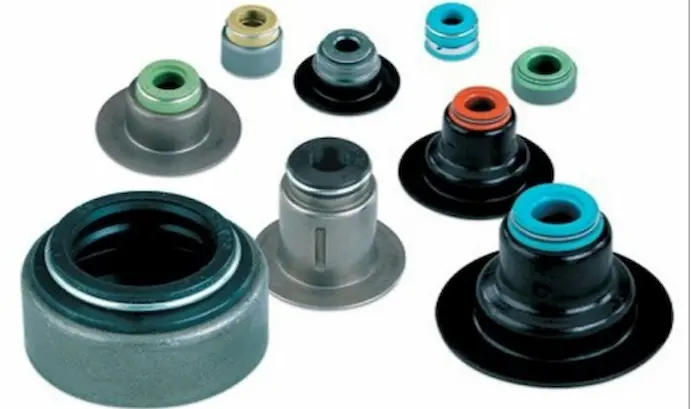
Valve Stem Seal Guide: Types, Function & Selection
Quick Overview A valve stem seal is an essential component
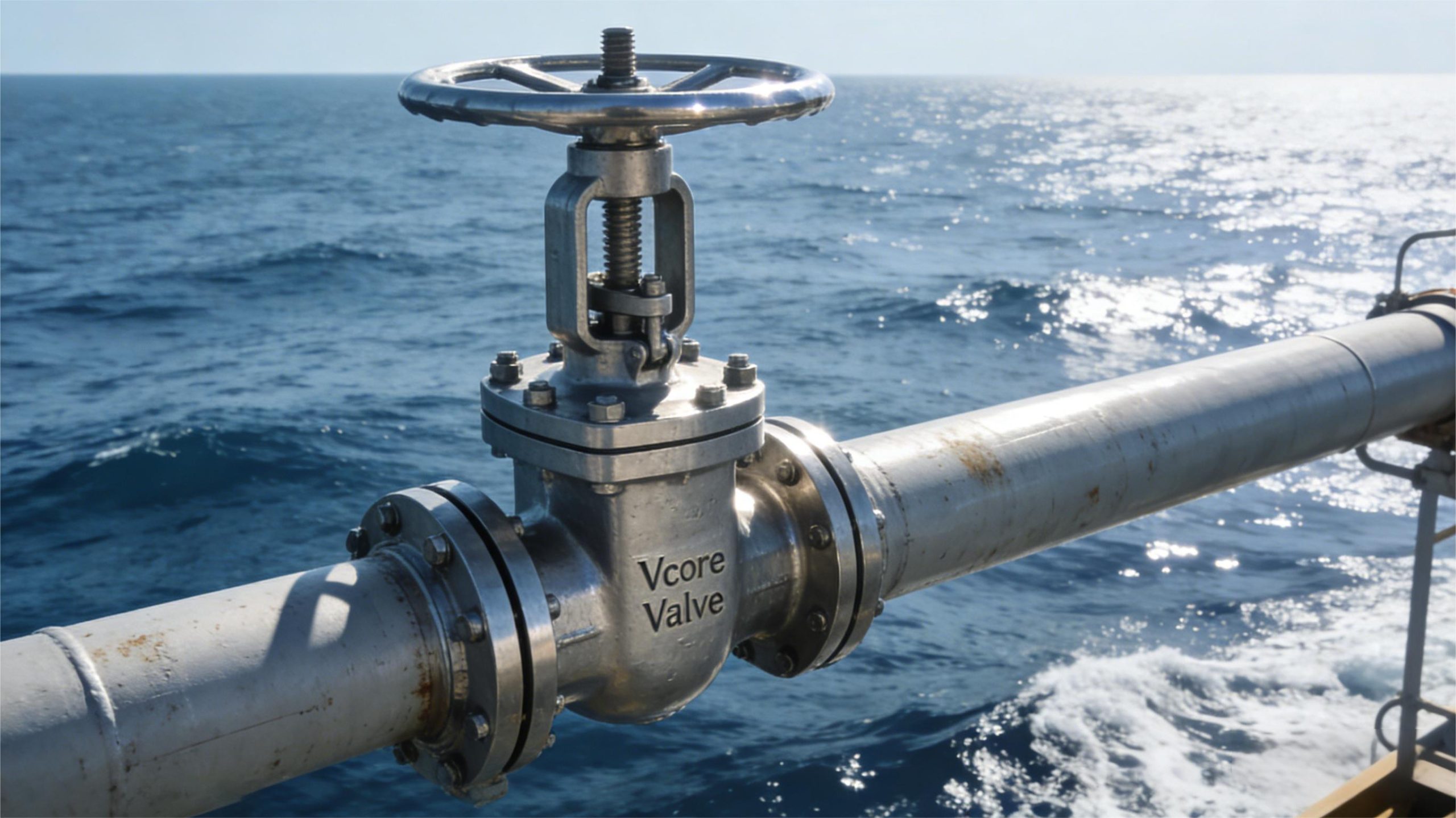
Duplex Steel Valves: Corrosion Resistance & Selection for Seawater
Quick Summary Duplex steel valves are engineered to combat the extreme
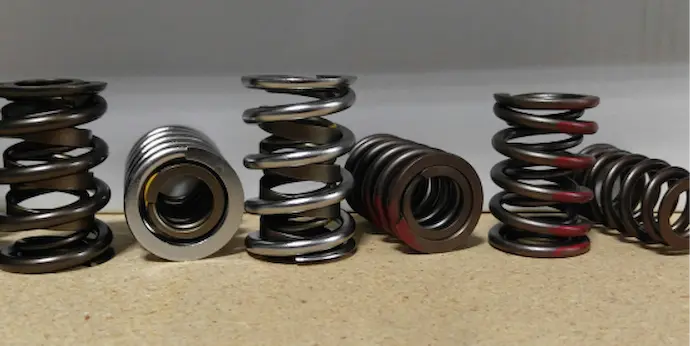
Valve Spring Types, Functions and Selection Guide
Quick Overview A valve spring is a crucial mechanical component