
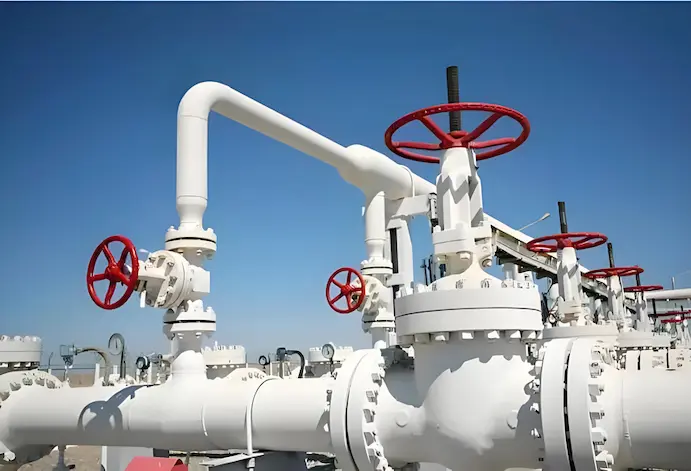
How Coatings Help Prevent Scaling on Gate Valves
Learn how scaling affects gate valve operation in water treatment, industrial water, chemical, oil and gas, and mineral-rich pipeline systems. This guide explains how scale deposits can cause sticking, incomplete opening or closing, increased torque, leakage risk, and maintenance problems, while covering coating options such as epoxy, ceramic, and fluoropolymer coatings, fluid-chemistry control, inspection routines, cleaning practices, coating limitations, and key selection factors for coated gate valves.
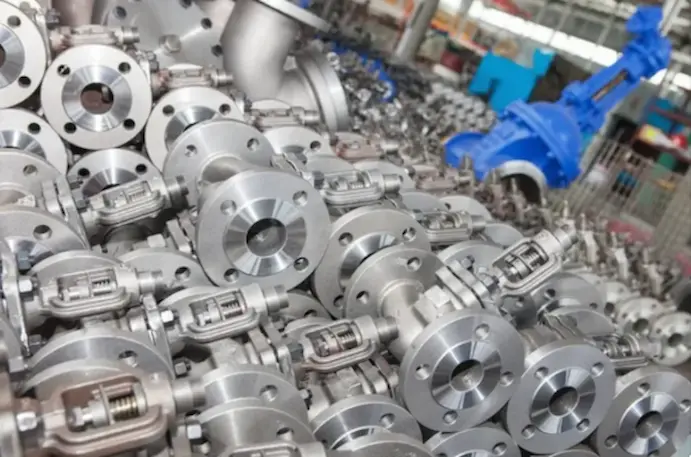
AWWA C509 vs. GB/T 24924: Key Standards for Water Supply Gate Valves
Compare AWWA C509 and GB/T 24924 for resilient-seated water supply gate valves by standard scope, unit system, size range, pressure rating, structural requirements, testing rules, inspection documentation, and project acceptance. The guide helps engineers and buyers understand when each standard applies and how to specify compliant gate valves for municipal water, treatment plant, and cross-border water infrastructure projects.
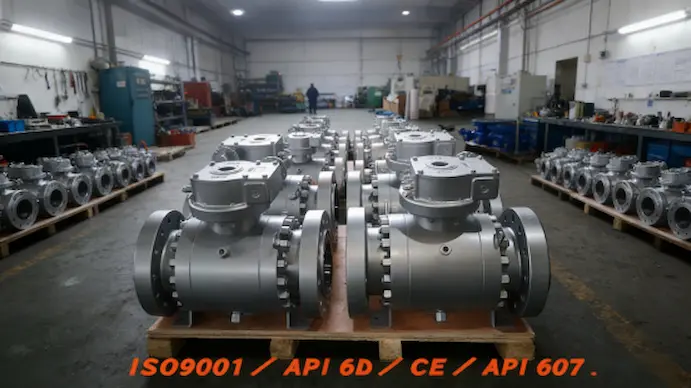
How Ball Valves Work in Hazardous Locations: Key Insights
Learn how ball valves are selected for hazardous locations involving flammable gases, vapors, combustible dust, corrosive media, high pressure, or fire-risk service. This guide explains fire-safe ball valve design, anti-static structure, material selection, soft-seat and metal-seat limitations, explosion-proof electric actuators, pneumatic automation, ATEX, IECEx, API 607, leakage testing, emergency shutoff requirements, and key selection factors for oil and gas, chemical processing, refineries, offshore platforms, and hazardous industrial pipeline systems.
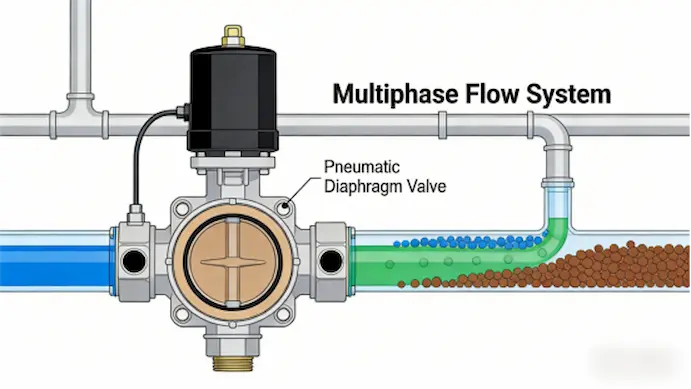
Choosing Valves for Multiphase Flow: Key Considerations
Quick Overview Selecting the right valves for multiphase flow is
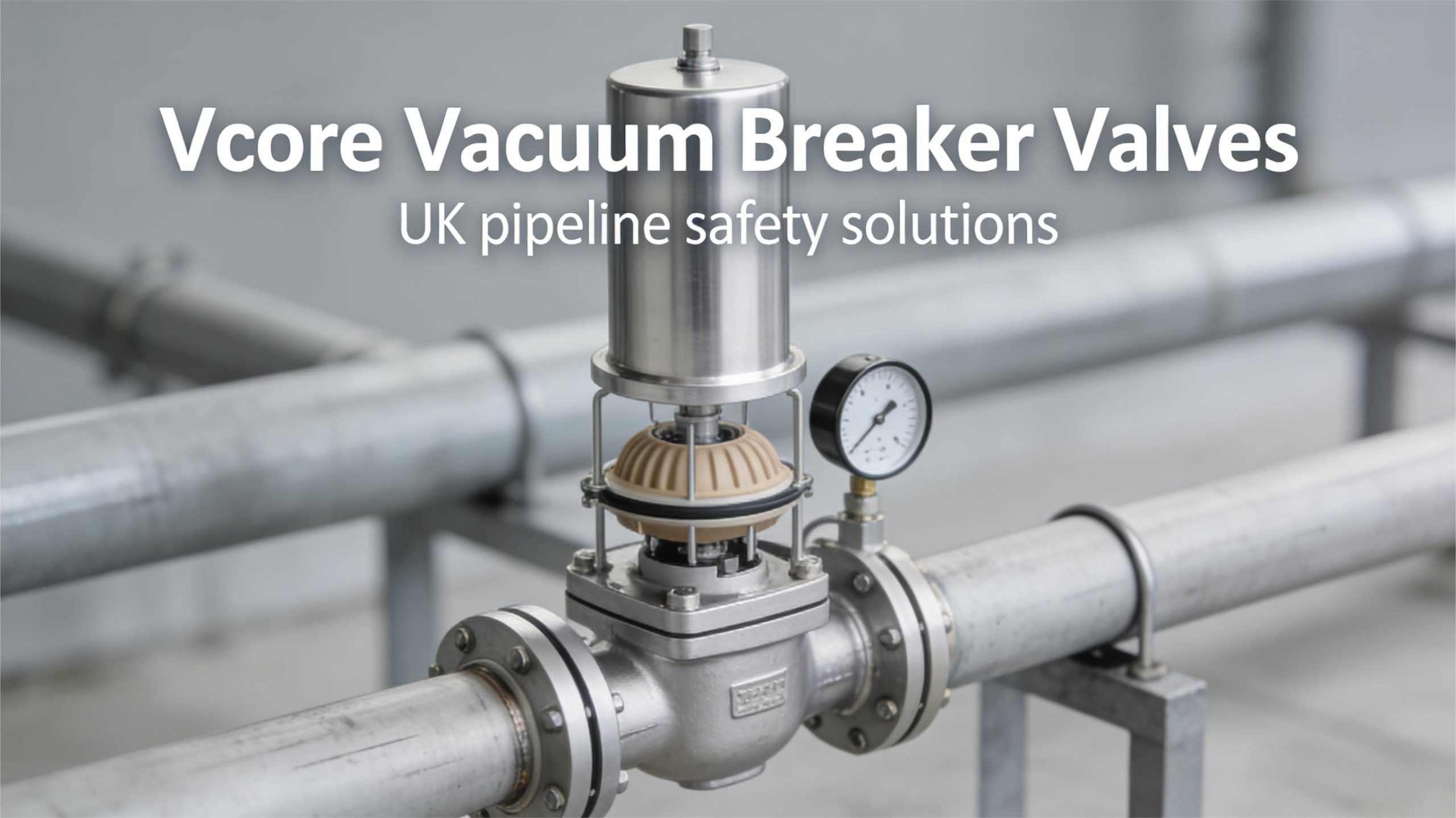
Vacuum Breaker Valves: Why It Is Essential for Pipeline Safety
Discover why Vacuum Breaker Valves are non-negotiable for pipeline safety. Learn how they prevent back siphonage, collapse & contamination.
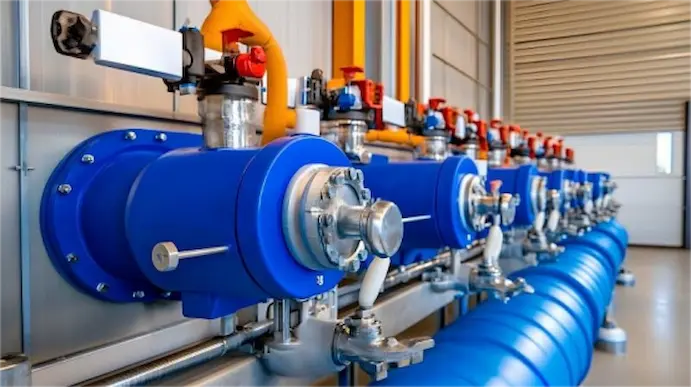
Control Valves: Should They Always Be In the Open Position?
Quick Overview Control valves are integral components of industrial systems,