
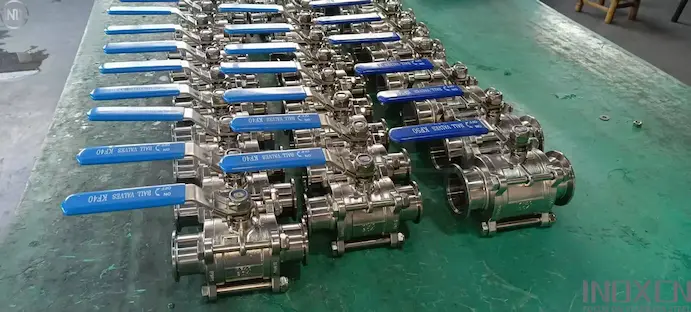
Tapping Valve vs Gate Valve: Key Differences and Applications
Compare tapping valves and gate valves by function, installation method, sealing requirements, maintenance, and application. Tapping valves are designed for adding branches or connection points to live pipelines without interrupting service, while gate valves are primarily used for full-flow isolation and shutoff in water, oil, gas, and industrial piping systems.
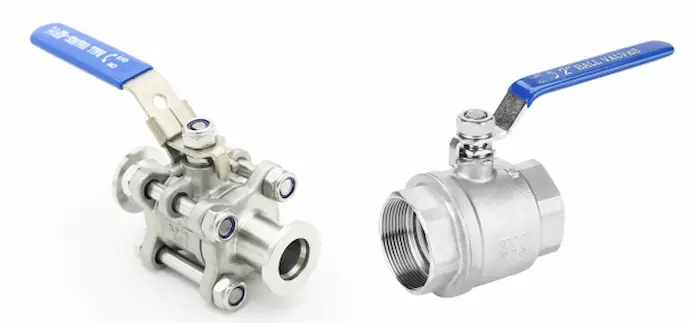
Vacuum Ball Valve vs Regular Ball Valve: Key Differences
Compare vacuum ball valves and regular ball valves by sealing design, pressure conditions, leakage control, cost, and application. Vacuum ball valves provide tighter sealing for vacuum, laboratory, pharmaceutical, and packaging systems, while regular ball valves are generally more economical for pressurized water, oil, gas, and industrial pipelines.
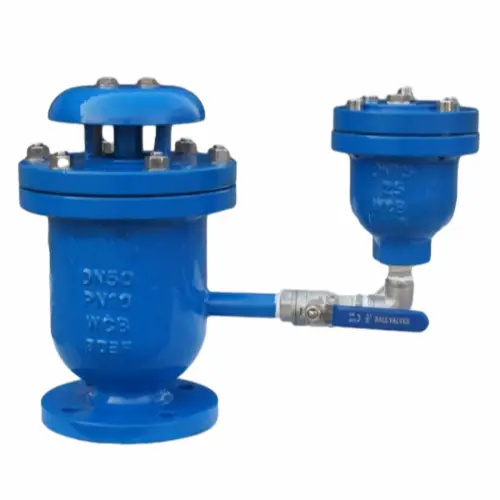
The Role of Air Release Valves in Piping Systems
Learn how air release valves remove trapped air from pipelines to prevent air pockets, flow restriction, pressure fluctuations, water hammer, and reduced system efficiency. The guide explains their operating principle, typical installation at pipeline high points, common applications, and key considerations for sizing, inspection, and maintenance.
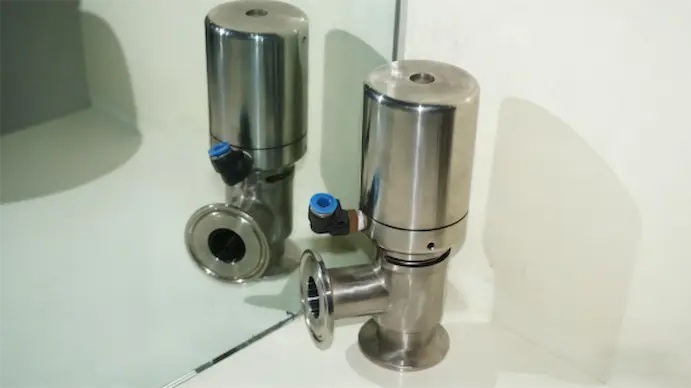
Sanitary vs Industrial Valves: Key Differences and Applications
Compare sanitary and industrial valves by hygienic design, surface finish, materials, cleaning requirements, pressure capability, and application. Sanitary valves are designed for contamination-sensitive food, beverage, pharmaceutical, and biotechnology systems, while industrial valves prioritize durability, pressure resistance, and reliable operation in oil and gas, chemical processing, power generation, and water treatment.
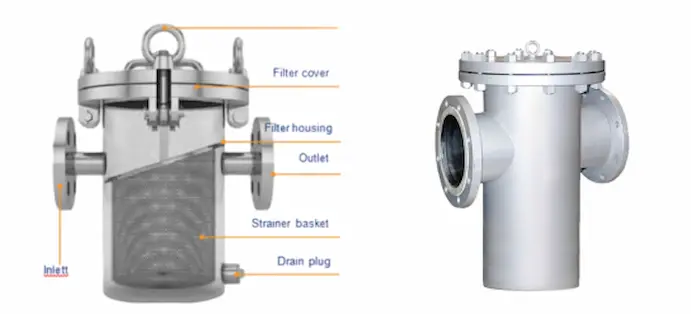
Y Strainer vs Basket Strainer: Which One to Choose?
Compare Y strainers and basket strainers by installation space, filtration area, debris capacity, pressure drop, cleaning frequency, and application. Y strainers are compact and suitable for smaller pipelines or space-limited systems, while basket strainers provide greater dirt-holding capacity for high-flow pipelines and fluids containing more debris.
Intergranular Corrosion: What It Is and How to Prevent It
Learn what intergranular corrosion is, why it occurs along metal grain boundaries, and how it can weaken stainless steel valves used in chemical, high-temperature, oil and gas, water treatment, and industrial process systems. This guide explains stainless steel sensitization, chromium carbide precipitation, weld heat-affected zones, low-carbon stainless steel, stabilized grades, nickel alloys, passivation, coating limitations, inspection methods, and material selection practices for reducing intergranular corrosion risk in industrial valves.